

The Red Sea Development Company (TRSDC), developer behind the world’s most ambitious regenerative tourism project, has unveiled a striking vision for its main hub island at the destination Shurayrah.
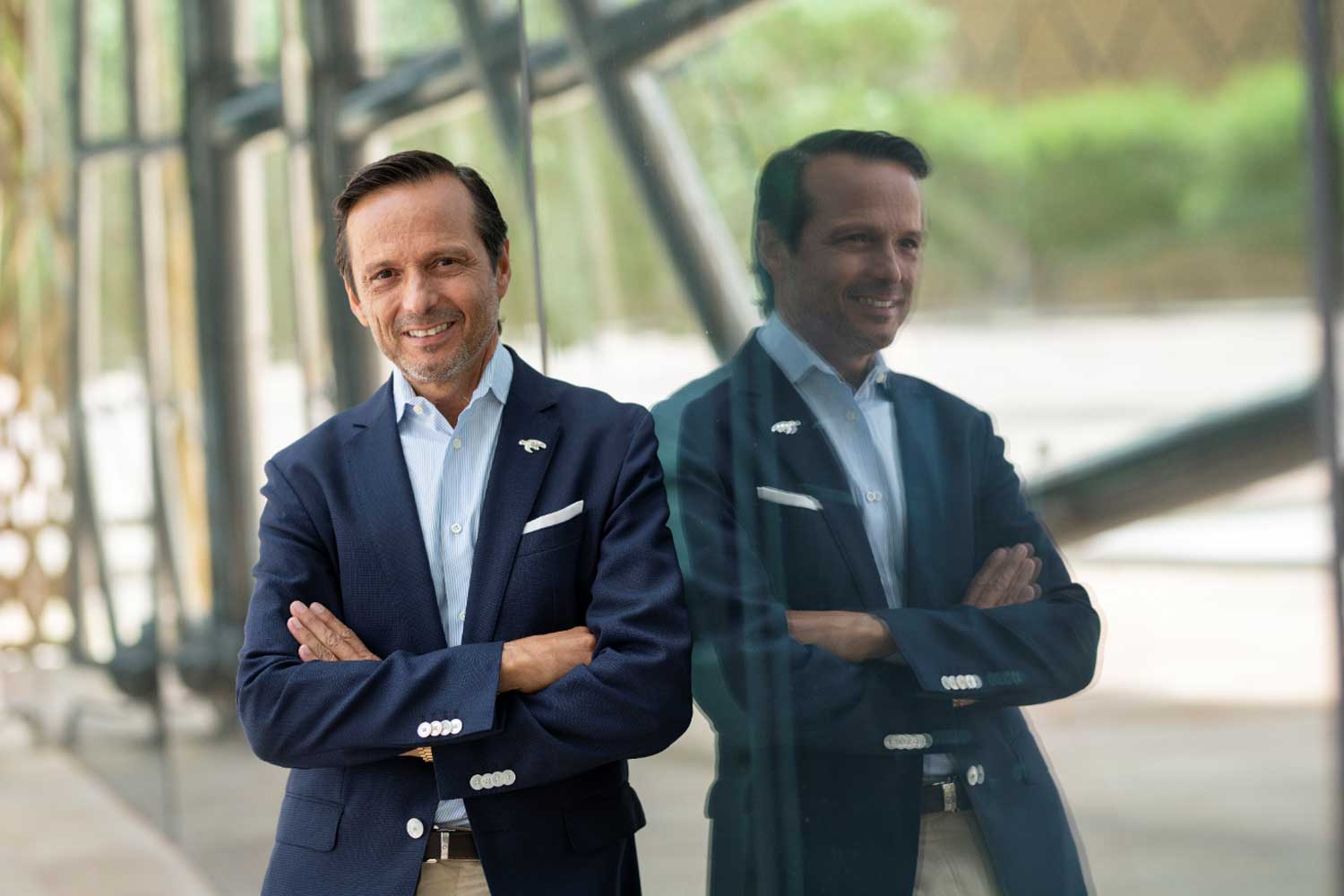
John Pagano, CEO of TRSDC, expects guests to be awed by the Red Sea Project, which he calls a “truly immersive barefoot luxury experience”. Designed by Foster + Partners, the Coral Bloom takes inspiration from Saudi Arabia’s indigenous flora and fauna, while catering to a new generation of conscientious traveller.
Speaking to sister title Arabian Business, Pagano urged the importance of meaning in the evolution of tourism.
He said: “Travellers are now looking for responsible travel policies with sustainability being a key priority to help protect and promote a healthy environment. They want to pursue quality experiences, immerse themselves in the beauty of the local environment and engage with new cultures. With this desire to travel greener, it’s no longer good enough for destinations to just be sustainable. Locations and the industry at large must provide experiences with real meaning and have policies geared towards regenerative tourism that continue to deliver exceptional luxury.
“As COVID-19 has impacted the industry, so too has it impacted traveller expectations. Our site will now feature hotel designs responsive to the changing world and traveller demands over the past year. For instance, there will be no internal corridors in response to a growing demand for space and seclusion following the pandemic.”
For the full interview on Arabian Business here.
