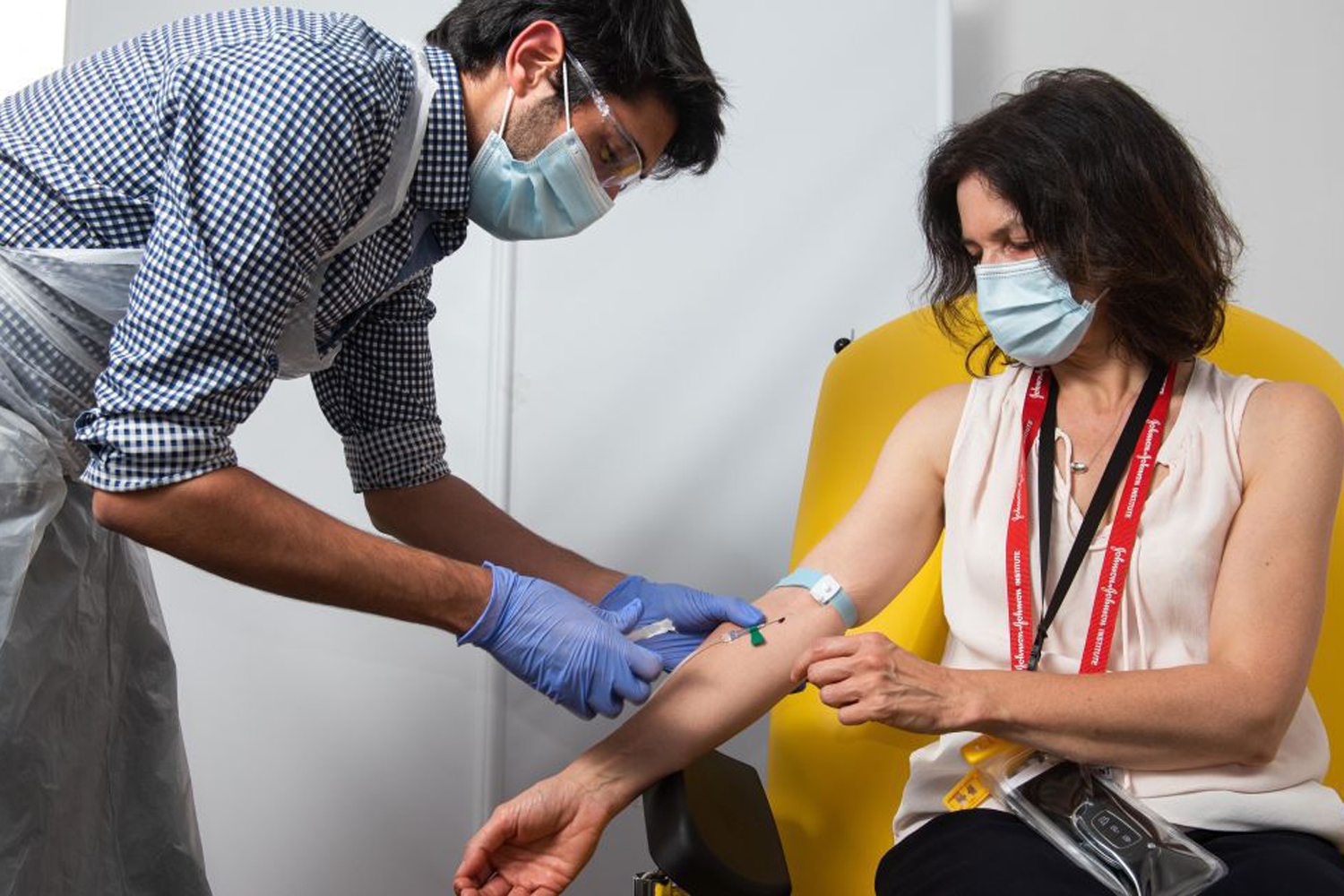
The World Health Organisation (WHO) has given emergency approval to the Oxford/AstraZeneca vaccine, meaning it will now be more rapidly distributed. This news is particularly good for developing nations thanks to the lower cost of the vaccine compared to others.
WHO found that the vaccine met the criteria for safety and that is efficacy benefits outweighed risks.
“We now have all the pieces in place for the rapid distribution of vaccines. But we still need to scale up production,” said WHO director general Tedros Adhanom Ghebreyesus.
Dr Tedros said: “Every day with fewer infections means lives saved, suffering prevented, and the burden on health systems eased just a little bit. And today we have even more reason to be hopeful of bringing the COVID-19 pandemic under control.”
In the Middle East, both Dubai and Bahrain have approved the vaccine, with the emirate ordering 200,000 doses.
Tedros highlighted the issue of misinformation in his statement, saying correct information is vital to global inoculation.
He said: “We must continue to build the demand for vaccines by ensuring people have the right information,” he said. “A year ago, I said that we were not only fighting a pandemic, we were fighting an infodemic.
Media briefing on #COVID19 with @DrTedros https://t.co/NpfhUepQMH
— World Health Organization (WHO) (@WHO) February 15, 2021
“In the past year, we have seen the real harm that can be caused when people are overwhelmed by information, misinformation and disinformation.
“The answer is not just to fight misinformation and delete false or misleading statements. It’s to listen to the real concerns and questions people have, and to answer those questions with good information.”
To date, the UAE has given out more than five million doses of COVID-19, approximately half of its population.