Throughout the rockiest and most treacherous points of 2020, the UAE managed to maintain itself as a world-leader for its tourism and hospitality sector. While other nations were facing their first, second or even third lockdown, the UAE, and Dubai in particular, was open for business.
As early as July 7, 2020, Dubai was welcoming back international guests. This bold move, according to experts at Knight Frank, resulted in massive spikes across UAE hotels in terms of, RevPAR, ADR and occupancy.
Knight Frank said: “On a broader UAE level, performance data since the reopening of borders in July to December 2020, paints a significantly better picture. Over this period, we have seen the UAE’s Average Daily Rate (ADR) increase by 68.4 percent and occupancy rates increase by 29.7 percentage points, resulting in revenue per available room (RevPAR) increasing by 201 percent.”
On a country-wide level, occupancy only dropped 29.3 percent compared to last year, with the UAE’s cooler winter months alluring scores of international travellers and holiday-hungry domestic guests.
Citing data from STR, Knight Frank reported Abu Dhabi occupancy dipped 16.8 percent, while Dubai’s fell by 34.5 percent.
Looking ahead, Knight Frank marks 2022 as the year for recovery, though it said this upturn will be aided by Expo 2020 and the general efficiency of the country’s government.
It said: “Despite the drive to inoculate the global population we are still not expecting tourism being able to return in a meaningful manner until the latter part of 2022. This is despite the UAE’s commendable handling of the pandemic, establishment of air-bridges and its relatively agreeable weather for most parts of the year.
“The rescheduled Expo 2020 will help bolster demand, although visitation is unlikely to match the pre-pandemic expectations of 25 million visitors. Despite challenging market conditions, asset owners understand that this is a short term shock, rather a long term structural change to the market. As a result, given the sector’s favourable long term outlook and investors’ extended investment horizons, where investment decisions are more closely correlated with the longer-term outlook, investment in the sector will remain steadfast.”
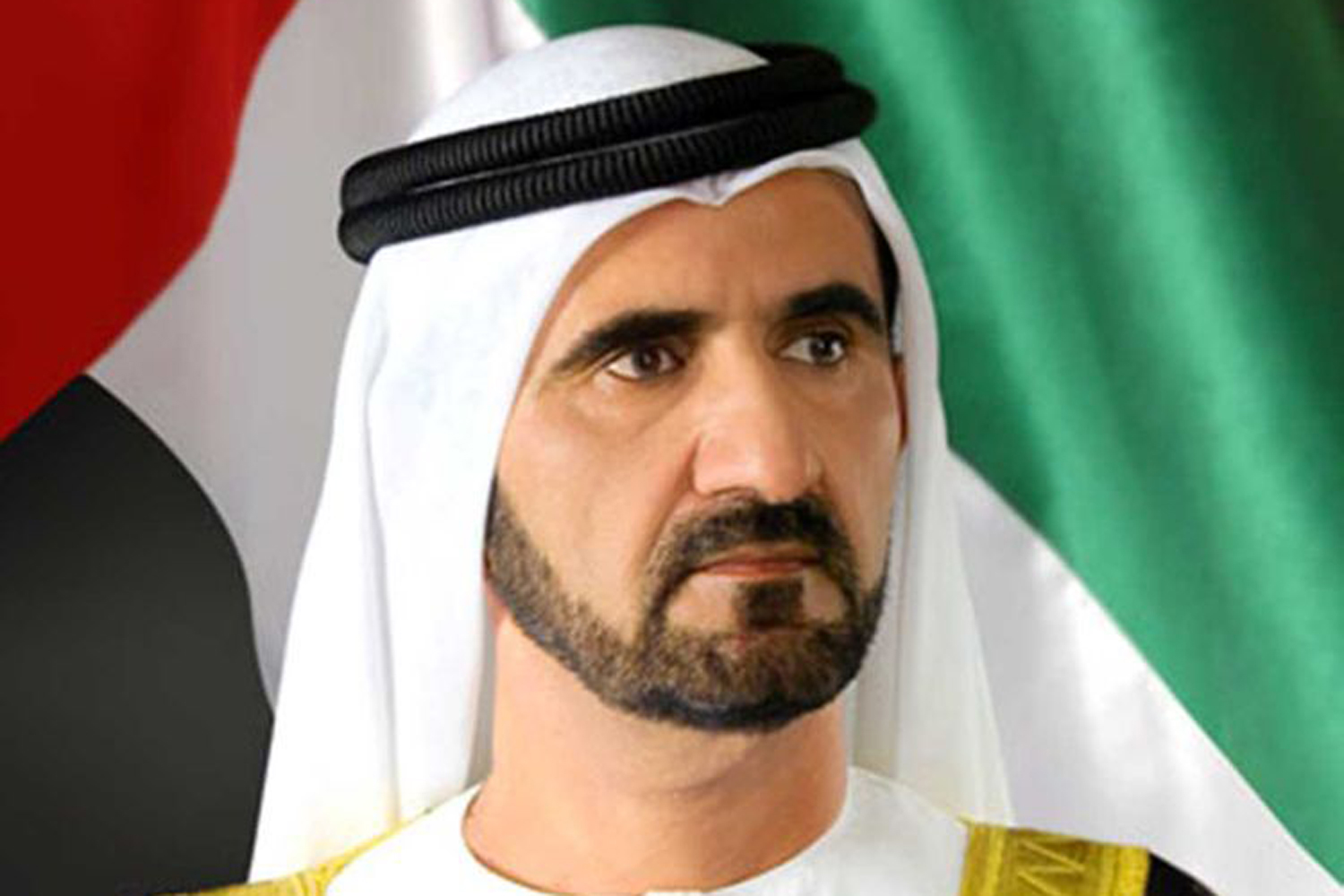
Abu Dhabi, Dubai and Ras Al Khaimah, in particular, were buoyed heavily by their robust domestic tourism markets last year. Aided by a wider UAE Strategy for Domestic Tourism, steered by HH Sheikh Mohammed bin Rashid Al Maktoum, Vice President, Prime Minister and Ruler of Dubai, emirates across the country reported their strongest domestic figures on record.
Running for 45 days, World’s Coolest Winter started on December 12 and concluded on January 25. The winter campaign, like the wider UAE Strategy, encouraged people across the country to explore the treasures of all seven emirates.