


The mission of sustainability is one of striving towards peaceful co-existence. That could be harmonious living with natural resources, wildlife and habitats, or fellow people. Historically, hospitality has been a hurdle in the race towards this ideal – an industry where indulgence is incentivised and excessiveness is permitted as part of the experience of escaping normal life for a night or two. Luxury has exhausted these natural resources, displaced habitats and uniformed people to don an international culture for a universal consumer.
Thankfully, these days, all this has started to change. As the world has rapidly modernised, gentrified and been built up for efficiency, the grandest luxury of all is to enter a place of calm, a place untouched, somewhere authentic.
Perhaps nowhere on Earth is attuned to this as much as the Kingdom of Saudi Arabia, a once-closed off country now open to the world and ready to show its authentic self. In this feature, we hear from tourism leaders from across the country on how authenticity and local culture is one of the greatest forms of sustainability in hotels and beyond.
We also hear from hotel bosses on how locality is the next step in sustainability, and how hospitality is really a business of bringing people together above all else.
In September of this year, travel, tourism and hotel giant Booking.com published its annual findings on the sustainable travel industry. Surveying more than 30,000 people from across the globe, 33 percent of these travellers wish to have a more locally relevant experience when they travel.
The report also found that 66 percent of travellers are seeking authentic experiences that are representative of local cultures; while 27 percent actively look to familiarise themselves with local cultures, values and traditions of a place they visit.
All this is to say the modern traveller and the modern hotel guest is hungry for something new; and Saudi Arabia is ready to give it.

Putting people first
As Fahd Hamidaddin, CEO of Saudi Tourism Authority put it at this year’s FII in Riyadh: “Tourists today want sustainable tourism. It’s easy to say but hard to deliver. It’s on us to build what sustainable tourism is. Sustainability is multi-layered.
“First is the people, put the community first before the tourists. There are many destinations which ran after international tourists so much, they forget their locality. You have to start with your own people.”
In Booking.com’s aforementioned report, CEO Glenn Fogel also stressed the importance of culture and people in creating a truly sustainable tourism economy. He shared: “Sustainable travel means different things to different people, and protecting the natural environment isn’t the whole story; we must also consider the social, economic and cultural impact. We believe that travel can be a powerful force for good, bringing enhanced cultural understanding, socio-economic opportunities for communities and the potential to help rejuvenate and protect our planet for future generations.”
Underpinned by a national drive known as Saudisation, KSA puts the protection of its people at the core of business policy, including travel and tourism. Not only does this mean on boarding and training new talent, it also means protecting Saudis who have lived in destinations for decades.
AlUla for example – the world’s living museum – has put the protection and upskilling of local inhabitants at the forefront of its sustainability endeavours.
Speaking at FII, CEO Amr AlMadani said: “AlUla is different from the other giga-projects. It is a living city with 50,000 inhabitants. These people are not only recipients of the success of the project, they are contributors in what the future of AlUla looks like. It is an incredibly inclusive approach.
“Average income has increased in AlUla, health has increased, quality of life has increased, abandoned farms have come back to life. In fact, [the] dates we grow in AlUla now are among the most valuable in the world, selling for premiums at auctions.”
The ambassadors for change
World Travel & Tourism Council (WTTC) chairperson Arnold Donald believes a similar ability of his industry, tourism and hospitality is a method of connection. At FII, he said: “To me, holistic travel is about connecting with the world and its people. It’s a means to feel the human spirit. It involves wellness and fitness, to personal growth to giving back to the place you are there visiting.”
When it comes to warm hospitality, few people are heating up the industry as much as Jerry Inzerillo, a hospitality titan who has dedicated his life to the business and is now funnelling everything he knows into uplifting Saudi Arabia.
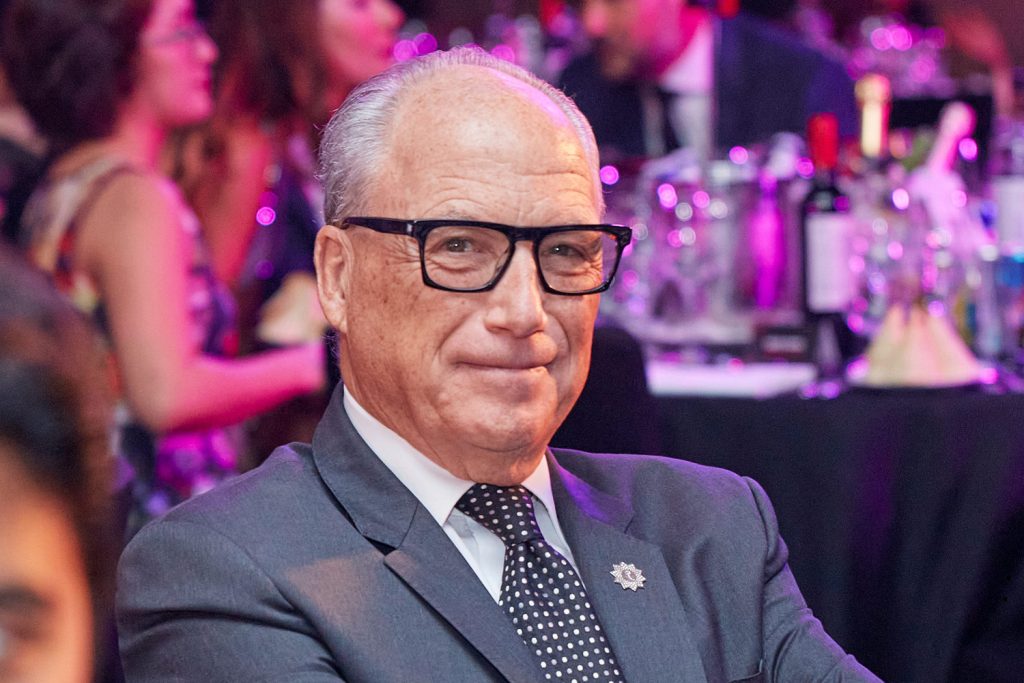
Now group CEO of the Diriyah Gate Development Authority (DGDA), Inzerillo runs a company which is one of the world-leaders in Saudisation levels. Speaking about this feat at FII, he said: “I’ve been blessed to have had Saudi friends for decades. I’ve always seen tourism as ambassadorial. It’s a sector to welcome and gather people. I’ve always known it to be a remarkably beautiful country, and my Saudi friends have always been warm and generous, so why wasn’t it open for tourism?
“So when Saudi Arabia did indeed open for tourism, I knew it would be the honour of my career to be involved.”
Championing cultures
To zoom out of Saudi for a moment and look at the Middle East in general, another entity leading the charge in localised experiences is IHG Hotels and Resorts. Regional MD Haitham Mattar is currently looking into more ways to get local touches into his properties.
Speaking at a recent panel, he said: “A big part of sustainability for us is how to bring the community into the industry. Sustainability is about culture, it’s about heritage, and hotels nowadays have a commitment to recognise that. Hotels have a commitment to bring local culture into their facilities.

“You can always find a five-star hotel where you go, but for example, you can’t always find Dubai culture when you are in that five-star hotel. You can’t always feel Jeddah in a five-star hotel. This is the trick, as operators today, our brands should be considering how we greet guests in a locally-minded fashion.
“Journey To Tomorrow [IHG’s sustainability action plan] focuses a lot on IHG’s people, a lot on upskilling those people and also on how we bring in those cultures through employees.”
According to WTTC’s president & CEO, Julia Simpson, this commitment to locality also has a financial benefit. She said: “One of things that Covid did actually, is that when travel returned, people wanted to go to wilder, more empty places. These industries have seen a massive boost. People who choose wellness trips tend to spend 52 more than other people,” quoting a recent report on the matter.
From sustainable hospitality to sustainable dining, food and beverage too is seeing an immense shift towards locality. For F&B, this is a lot due to local food sourcing naturally being more environmentally-friendly, but there’s also a growing demand from consumers to connect with local cultures through food.
Hilton’s F&B strategy and development VP EMEA Emma Banks said: “A company’s noble purpose is the key to its prolonged success. The pandemic served to highlight the fragility of food security and supply like never before. The upside is that it shone a light on the power of consuming locally which helps preserve the environment, health and supports the local economy.
“So what does the future look like? For an industry so reliant upon the natural world for its resources, we must not bite the hand that feeds us. We have a moral obligation to ensure that there is a world full of light and warmth for the generations to come. Put simply, the future of hospitality is sustainability.”
Back to the Kingdom, one man who truly knows the future of hospitality is a sustainable one is John Pagano. Now group CEO of Red Sea Global, the lauded KSA-based giga-project developer has now turned his attention to changing the world with his regenerative approach.
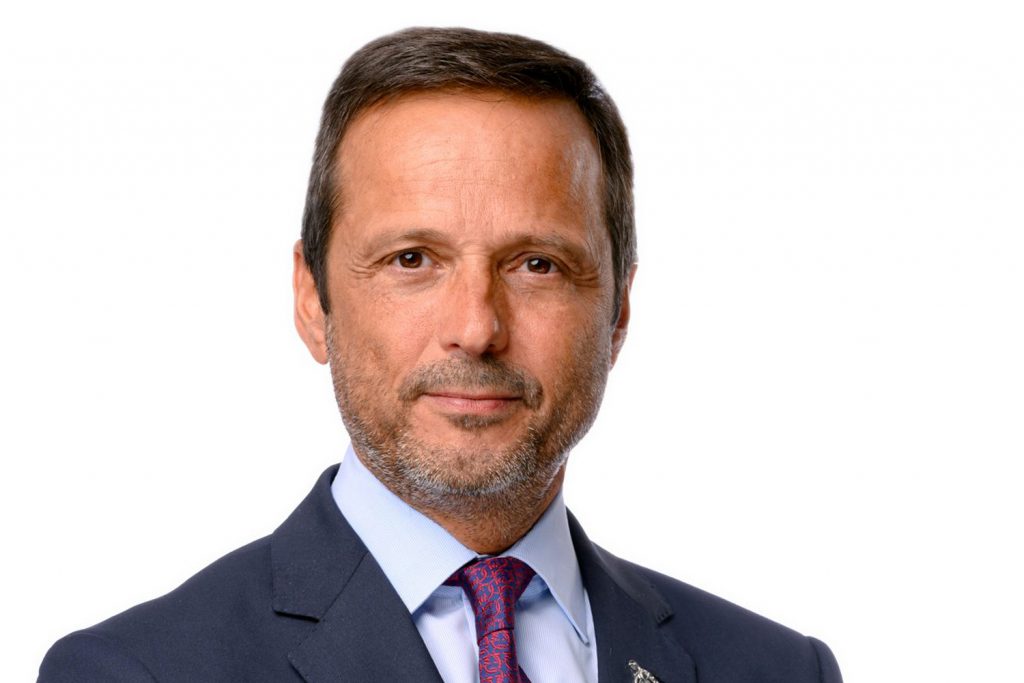
“Tourism can uplift local communities,” he urged at FII. “Governments can only do so much, it is the power of the people who will drive investments truly. Covid has caused us to pause and reflect on what is important. And we have seen that nature is vital for us to survive, and consumers see that too.
No excuses, no apologising
For Pagano and his team, this has meant ensuring local talents are hired in hotels, local fisherman are upskilled and much more. He did also raise a crucial point, sustainability cannot be achieved solely through people, there is an immense responsibility on developers and hotel operators still.
He said: “We really do need to take a different approach. Operations are as important as construction. We need to use the same philosophy through the entire process. We practice what we preach. We hope to lead the global transition to regenerative development.”
Much like the case of locality, the key of sustainable development is empathy and understanding, stated AlUla’s AlMadani. He said: “Sustainability is easier said than done. There’s long been a belief in a dichotomy between development and the protection of culture, heritage and people.
“This is a 1980s approach! For me, we have to make sure conservation is not an empathetic agenda, it’s part of the business model. If you don’t think this way, you will always feel apologetic [as a business], you will rush your project and apologise later.”
IHG’s Mattar too believes the future of sustainability is driven by this sense of mutual understanding, not only between people and people, but people and their impact on the planet.
He said: “There needs to be responsibility, we need to educate people about sustainability. Guests should be able to understand the impact they are having on the environment when they stay in hotels. If you to a supermarket nowadays, you will be charged for a plastic bag. That is part of the future for hospitality too – when you start to ask things from your consumers, things will happen. Humans are creatures of habit, so we must change things.”
A world connected
We’ve long heard about sustainability in terms of green energy, waste reduction and environmental builds, but what it all really boils down to is staying connected and staying grounded. Hospitality, tourism and travel are the businesses of connecting to people, and thus, one of the greatest vessels of sustainability anywhere in business.
Hilton’s Banks summed it up as this: “Together as an industry we need to build in these attitudes at every level of our operation, so that we are more thoughtful in our approach and indeed create a cycle of behaviour that supports the betterment of the whole.”