

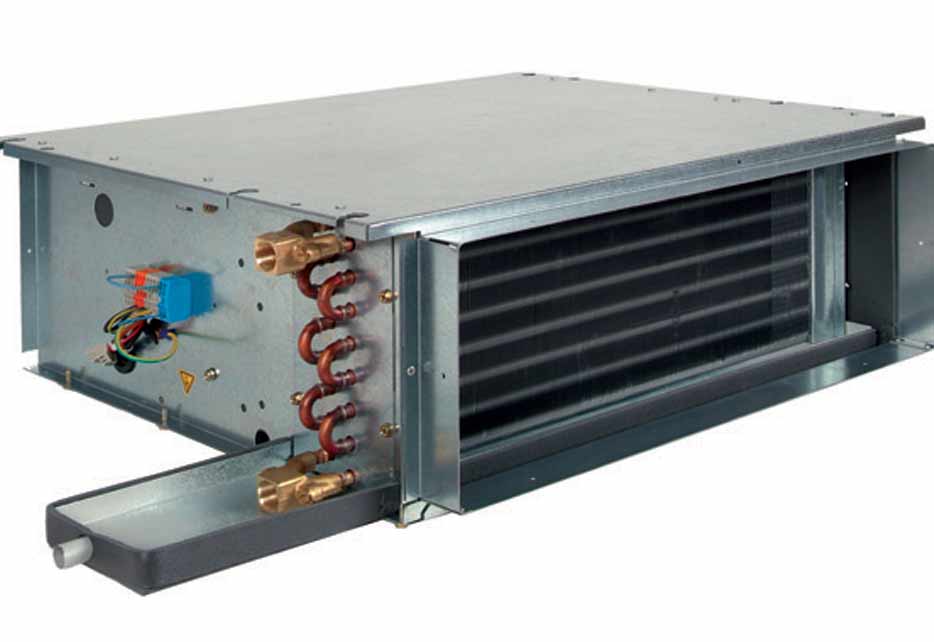
Commutation fan motors claim to cut AC energy bills “by up to 90%”
New fan motor technology from energy efficiency expert Trane has been developed to use four times less energy than conventional motors when it is applied to heating, ventilating and air conditioning (HVAC) systems.
The electronic commutation (EC) fan motor technology, currently being applied to Trane’s range of chilled water terminals, uses four times less energy than conventional alternating current (AC) motors at the low speed range; offering “substantial energy savings and improved user comfort”.
“Hotel owners can reduce energy bills for their air-conditioned spaces by up to 90% by incorporating Trane terminal units with EC motor technology into their HVAC system,” said Franck Biegalke, applied integrated systems leader for Trane Europe, Middle East, India and Africa.
“This technology will help ensure lower electricity cost. In addition, with energy regulations becoming ever more stringent, investing in EC fan motor terminals today will guarantee the value of building assets for years to come.”
There are three new terminal units, which can be factory-mounted and configured with the Trane TracerTM ZN525 controller.
The new controller maximises EC fan motor technology performance by providing an average of 5% additional power consumption savings annually. It also controls the fan speed to adapt to exact cooling and heating loads of individual rooms in the building, improving room temperature and acoustic comfort.