


Saudi Arabia is entering the third and final phase of Saudi Vision 2030 with economic, tourism and investment indicators showing sustained progress across the first two phases, according to the 2025 annual report and supporting data.
The report shows that 93 percent of key performance indicators met or exceeded annual targets in 2025, while 90 percent of 1,290 initiatives were completed or on track.
A total of 935 initiatives have been completed, with a further 225 progressing as planned. More than 2,200 reforms and measures have been implemented since the programme’s launch.
Economic performance and diversification
Saudi Arabia’s real GDP reached SR4.9 trillion (US$1.31 trillion) in 2025, with non-oil activities contributing 55 percent of total output. Non-oil GDP grew by 4.9 percent compared with 2024, supporting overall economic growth of 4.5 percent, the highest in three years.
The private sector’s contribution to GDP increased to 51 percent, up from 44 percent at the start of the programme.
Foreign direct investment inflows rose from SR28 billion (US$7.5 billion) in 2017 to SR133 billion (US$35.5 billion) in 2025.
More than 700 international companies have established regional headquarters in Saudi Arabia, compared with 44 in 2021. The number of small and medium-sized enterprises increased from 429,000 in 2016 to more than 1.7 million in 2025.
Tourism growth, hospitality development and destination pipeline

Tourism has exceeded initial targets, reaching 123 million visitors by the end of 2025, surpassing the original 2030 goal of 100 million. Total tourism spending reached SR300 billion (US$81.1 billion), prompting an upward revision of the target to 150 million visitors by 2030.
More than 17 million visitors attended Riyadh Season 2025, while the Red Sea destination welcomed over 50,000 tourists across nine resorts.
Religious tourism also expanded, with more than 18 million international Umrah pilgrims recorded in 2025. The Makkah Route Initiative surpassed one million beneficiaries, and the Haramain High Speed Railway served 9.6 million passengers during the year, supporting connectivity between key religious and tourism destinations.
Major destination projects including NEOM, The Red Sea Project, Diriyah and Qiddiya continue to expand supply, supported by investment from the Public Investment Fund.
Social infrastructure has also advanced. Home ownership increased to 66.24 percent, up from 47 percent in 2016, with 851,387 Saudi families becoming homeowners.
Investment, industry and infrastructure
The Public Investment Fund’s assets under management increased to approximately SR3.4 trillion (US$906 billion), up from SR720 billion in 2015, with SR750 billion deployed domestically over the past five years.
Local content in PIF projects reached 60 percent, and the fund has generated more than one million jobs since 2018.
Industrial and infrastructure expansion has also progressed. The number of factories reached 12,900, supported by investments totalling approximately SR1.2 trillion (US$320 billion).
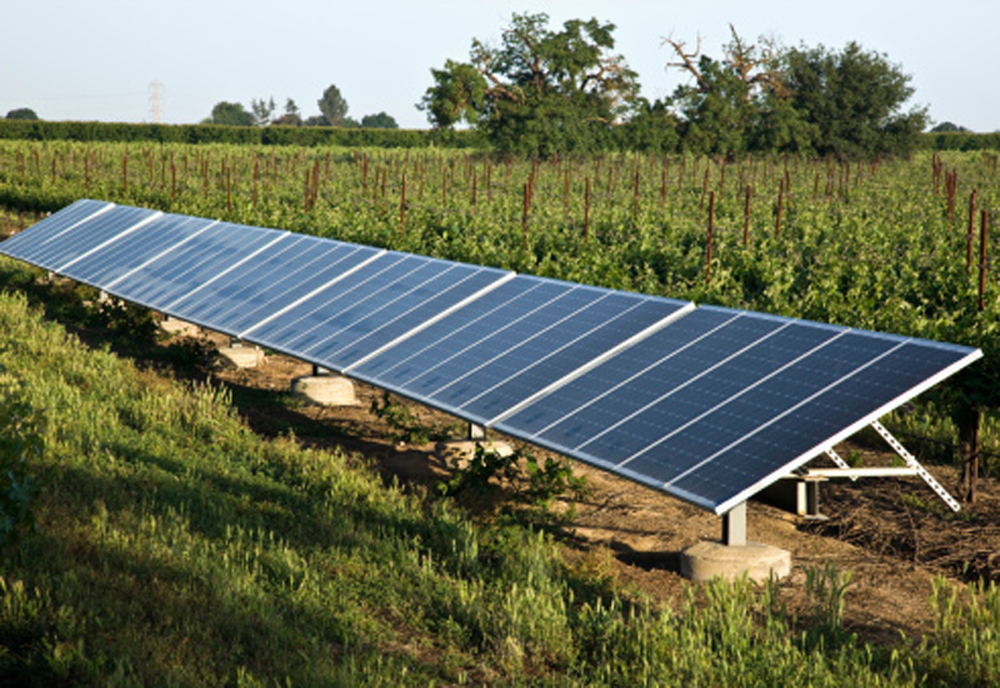
Non-oil exports increased from SR242 billion (US$64.5 billion) to more than SR623 billion (US$166 billion). Renewable energy capacity expanded significantly, reaching between 46 gigawatts and 64 gigawatts by the end of 2025.
Labour market and environmental progress

Labour market indicators show unemployment declining to 7.2 percent, compared with 12.3 percent in 2016. Female labour force participation increased to 35 percent, with women accounting for 48 percent of commercial registrations and 43.9 percent of middle and senior management roles.
Environmental targets have also progressed, with more than 151 million trees planted and protected areas expanding to 18.1 percent of terrestrial zones and 16.1 percent of marine areas.
According to His Royal Highness Crown Prince of Saudi Arabia, Mohammed bin Salman, the programme has delivered measurable development across economic and social sectors, with a continued focus on investment in national talent and competitiveness.
Phase three priorities

Phase three of Vision 2030, covering 2026 to 2030, will focus on accelerating implementation, sustaining economic diversification and increasing private sector participation.
The Council of Economic and Development Affairs stated that the next phase will prioritise investment mobilisation through the Public Investment Fund and the National Development Fund, alongside continued government spending.
For hospitality and tourism operators, the transition into the final phase signals continued expansion in visitor demand, infrastructure delivery and destination development, as the programme moves towards its revised 2030 targets.