

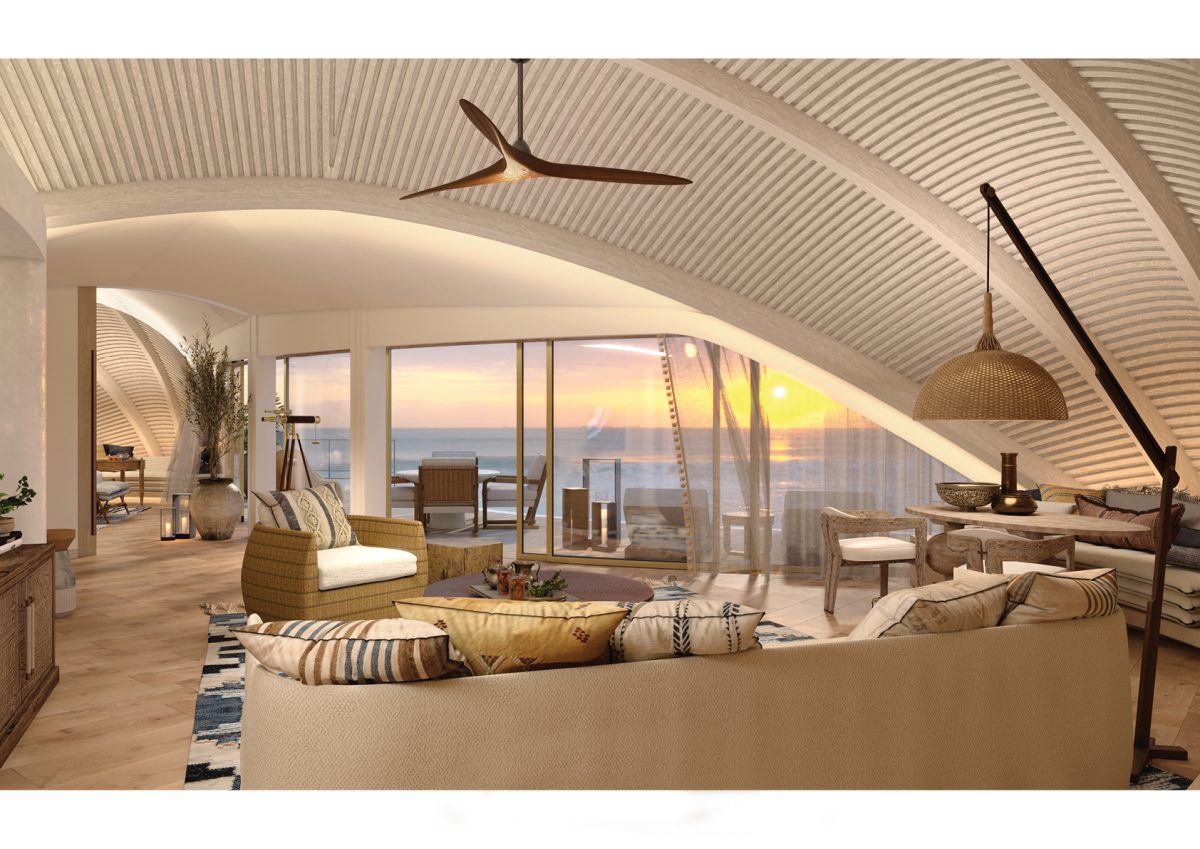
Saudi Arabia’s The Red Sea Project has unveiled its first branded residences. Residences make up one-eighth of the project’s development, with 8,000 hotel rooms and 1,000 residential keys by 2030.
Nujuma, A Ritz-Carlton Reserve has been confirmed for The Red Sea Development Company’s (TRSDC) destination. A landmark announcement for Marriott, Nujuma marks the brand’s debut in the region and the fifth property in the brand globally.
Standing alongside the five-star, historic Ritz-Carlton brand, Reserve is a highly-personalised, indigenously-designed off-shoot. Current Ritz-Carlton Reserve properties are located in Thailand, Japan, Indonesia, Puerto Rico, and Mexico.
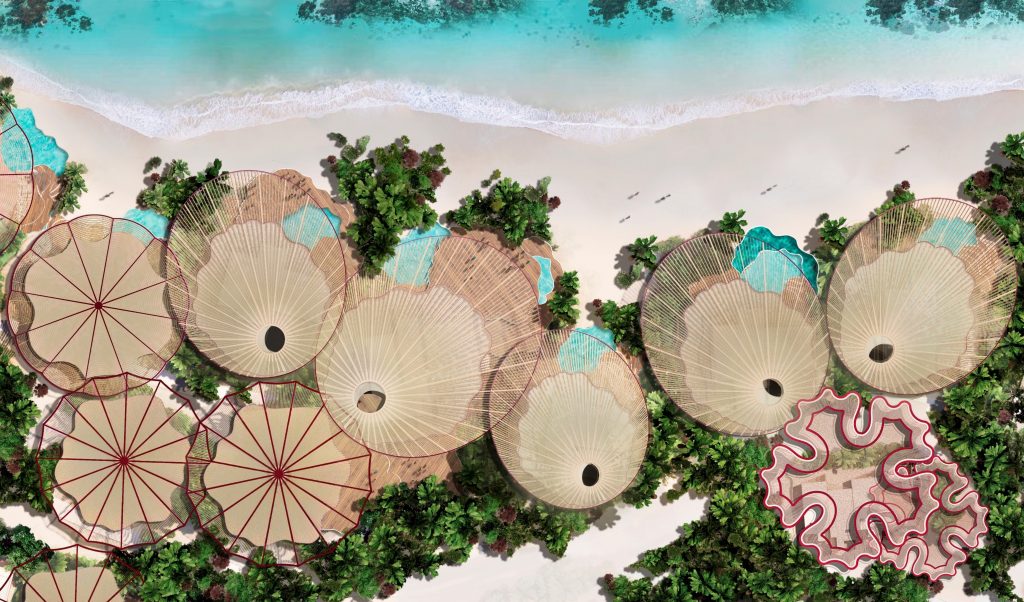
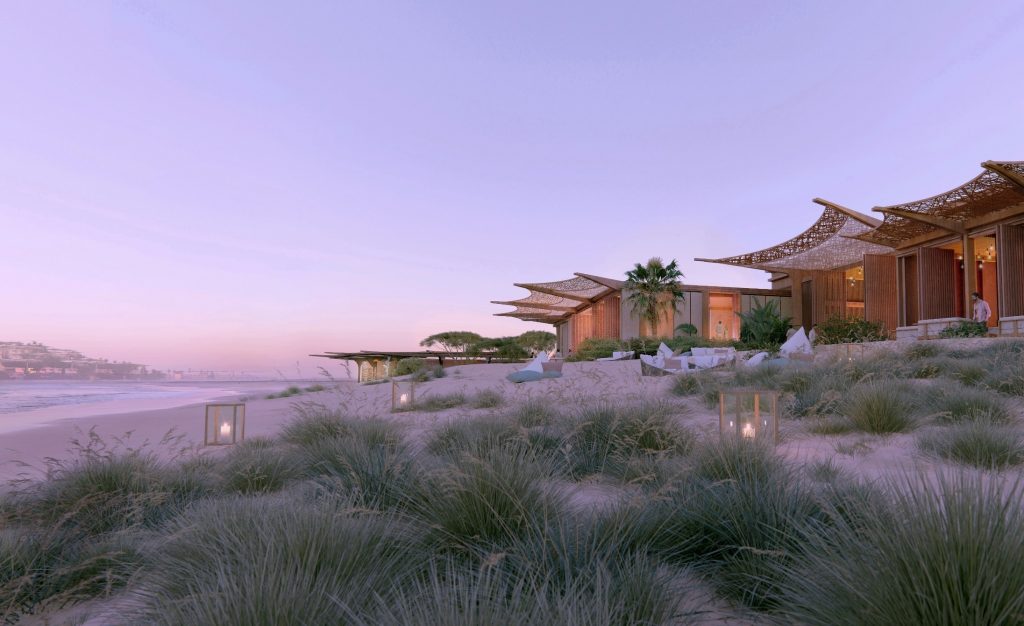
Nujuma will be situated on a pristine set of private islands, which are part of the Red Sea’s Blue Hole cluster of islands. Surrounded by natural beauty and designed to blend with the environment, the resort is expected to feature 63 one to four bedroom water and beach villas. Plans also include a range of amenities and exceptional services including a spa, swimming pools, multiple culinary venues, a retail area and a variety of other leisure and entertainment offerings including a Conservation Center.
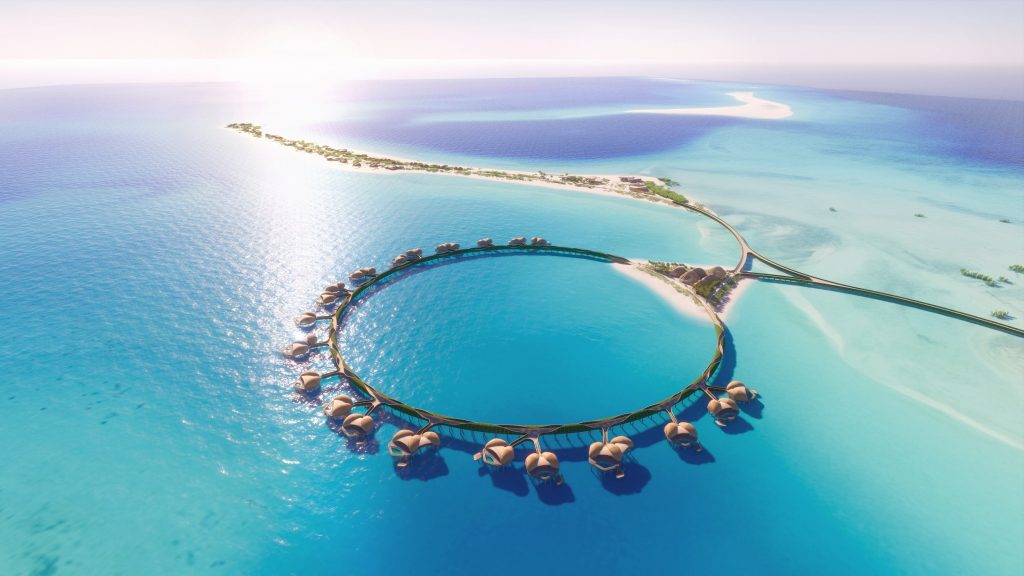
Notably, the property has confirmed to include 18 Ritz-Carlton Reserve branded residences. This is the first confirmation of residential units at the destination.
“We are thrilled to bring our most luxurious brand, Ritz-Carlton Reserve, and its exemplary experience to the Middle East. Perfectly situated on one of the most anticipated regenerative tourism projects in the world, the resort will blend seclusion and sophistication to provide a highly personalized luxury escape,” said Jerome Briet, chief development officer, Europe, Middle East & Africa, Marriott International.
“I am excited to welcome Ritz-Carlton Reserve into the fold of our luxury collection of brands for The Red Sea,” said John Pagano, CEO at The Red Sea Development Company. “Around the world, Ritz-Carlton Reserve properties are synonymous with providing unique luxury experiences and creating personalized meaningful escapes, underpinned by a commitment to sustainable practices. As we inch closer to opening our first resorts early next year, this world-class brand is sure to excite and entice future guests.”
Hotels launching at the Red Sea Project
These include EDITION Hotels and St Regis from Marriott International. Fairmont Hotel & Resorts, Raffles Hotels & Resorts and SLS Hotels & Residences from Accor, a Grand Hyatt, Intercontinental and Six Senses from IHG Hotels & Resorts and a Jumeirah property.
Pagano previously said: “Saudi Arabia is accelerating its development of a new tourism offering in the Kingdom, fuelled by the ambitious Vision 2030 program. We are proud to unveil our collection of unique and diverse hospitality brands. These will cater to this growing market and underpin our commitment to creating a world-leading barefoot luxury destination. It will soon serve as a gateway to one of the last undiscovered places on the planet.

“Most importantly, such partnerships with globally recognised and respected brands signify the growing confidence in our business, our flagship destination and in Saudi Arabia as a tourism destination.”
Marriott International SVP puts regenerative tourism in the spotlight

Marriott International SVP for the EMEA brand portfolio, Jenni Benzaquen, said the industry is seeing a “huge shift” towards regenerative travel. Regenerative tourism and travel take sustainability one step further, looking to enhance a destination rather than simply preserve it.
Regenerative tourism is a trend sweeping across the world, and has a high profile in the Middle East through Saudi Arabia’s Red Sea Project.
Benzaquen, who also serves as MD of Design Hotels, spoke at Marriott’s virtual media briefing for the EMEA region. She said: “Travel means more to people now. It’s beyond just visiting a destination, it can also be purposeful. It can educational, it can be regenerative. People want to travel better, they want to be proactive and progressive. They want to enact positive change.
“We’re seeing a huge shift towards regeneration. Regenerative travel is a commitment to leaving people, places and things better than you found them. This could take the form of self-renewal, restoring bonds or leaving places or communities better [han when we arrived.”
This same commitment underpins the entire vision of Saudi Arabia’s Red Sea Project. When it is complete in 2030, The Red Sea Project will be run entirely on renewable energy sources, grow its own produce and crops and empower local communities and talents. All hotels within the project are expected to follow the same commitments.