


Almost everything is in place. “We have the cash. We have the land,” said Saudi Arabia’s Crown Prince Mohammed bin Salman last month when speaking about The LINE, one of the Kingdom’s many giga-projects.
Now the country needs tourists, and to appeal to travellers from all over the world, Saudi Arabia is doing many things: Streamlined visa policies; a growing number of airlines; and a hotel development pipeline the likes of which are unrivalled in history.
The Kingdom is banking on those hotels, and the areas they will serve, to achieve its goal of becoming a global tourism hub.
The hope is they create a new kind of hospitality.
The Red Sea
The St. Regis Red Sea Resort and Nujuma, A Ritz-Carlton Reserve are two giga-project properties to open this year (Six Senses The Red Sea Resort is the only other with a 2023 opening).
The St. Regis Red Sea Resort marks the brand’s introduction to Saudi Arabia. Situated on a private island, the resort is expected to feature 90 villas as well as two restaurants, an outdoor pool, fitness centre and spa, and a children’s club.
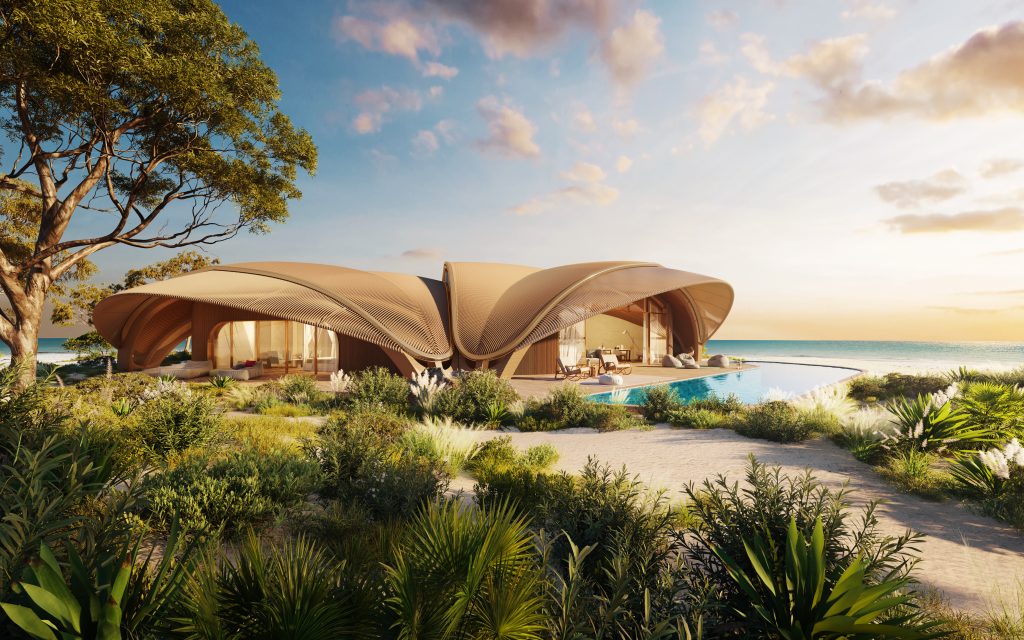
Nujuma, A Ritz-Carlton Reserve will be situated on the Red Sea’s Blue Hole cluster of islands. Surrounded by natural beauty and designed to blend with the environment, the resort is expected to feature 63 one-to-four-bedroom water and beach villas. Plans also include a spa, swimming pools, restaurants, shops and more, including a conservation centre.
According to multi-property general manager Tony Coveney, the hotels will have no comparison.
A new standard
Coveney told Hotelier: “We are setting a new standard at the Red Sea. We don’t have a competitive set, instead, we’re looking to the Maldives and parts of the UAE.”

The Maldives is a popular destination for Saudi Arabia travellers and Coveney plans to offer something even more spectacular on home ground.
He explained: “Many of my Saudi friends tell me stories of how they visit Maldives every year but in 2024 they’d rather visit Red Sea. They are proud of their country, they want to spend their money here.
“To me, that’s beautiful. I believe the country is initially being developed for its own people and in doing so, the word gets out and international travellers come. Word of mouth is going to be very valuable to us.”
Spreading the word
According to The Red Sea Global CEO John Pagano, the destination expects a 50-50 split in terms of local and international arrivals by 2030. With the project capping arrivals per year at one million by 2030, this means as many as 1,370 international guests could visit The Red Sea in a day.
In terms of service, Coveney and team are finding a way to combine local and international tastes.
He explained: “I want the personality of Saudi to come through. Engagement is key. It’s all about people, it’s about having the confidence to take care of a guest and be insightful for them. We are looking at ways to bring the culture of Saudi to guests. I want people to know they are in a special place.”
Locally-driven
With a focus on experiences and culture, the upcoming resorts will have a mix of Saudi and international talent.
Almost 90 Saudi graduates will be among them, following the graduation of 480 students from the Red Sea Vocational Training Programme.
The GM said: “The level of pride in the local population is breath-taking.
“Particularly with Ritz-Carlton Reserve, I think we’ll have a higher proportion of locals. Reserve, as a brand, is all about the destination, all about championing the location and understanding the storylines. You need experts.”
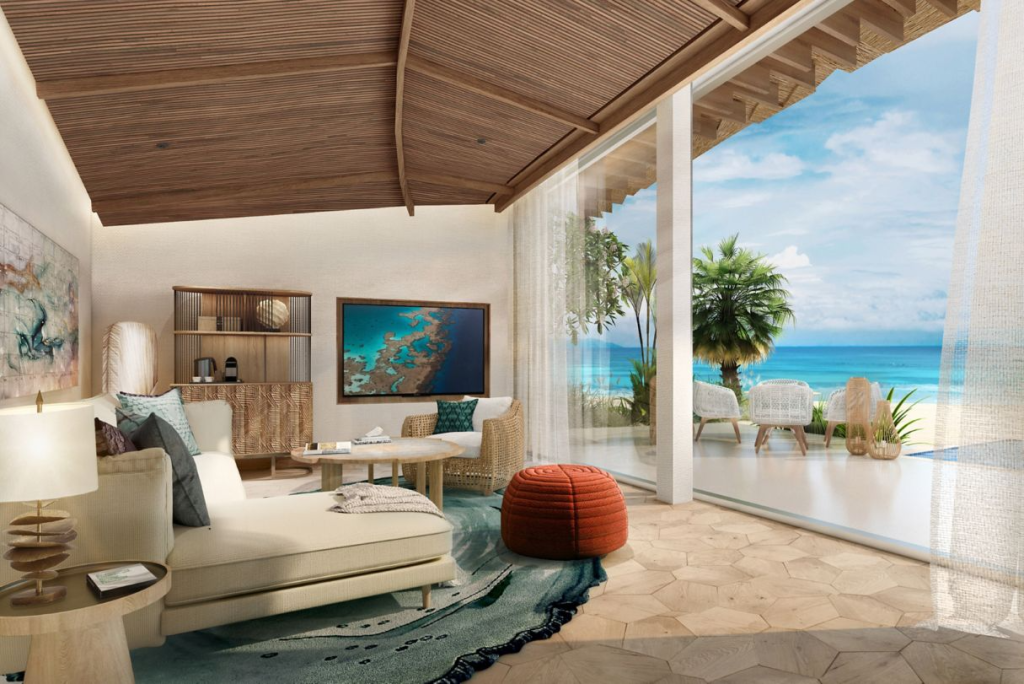
For global travellers
This combination of a resort-setting, hyper-focus on locality and super-exclusive branding is something that will appeal to a select set of travellers.
Coveney said: “A lot of wealthy travellers don’t think twice about spending US$30,000 on a holiday the Maldives. The question is, can we execute at that level? The answer is yes, but we have to showcase that to people.”
Coveney compared his cluster to the Bulgari Resort in Dubai.
He explained “The Bulgari Resort Dubai has been a great beneficiary of Russian migration. We’ll probably be in a similar price bracket, so we want to attract some of that customer base here.”
The Bulgari in Dubai costs around SAR6,700 a night in the cooler months.
One big difference to the UAE, though, is the availability of alcohol, something that is not permissible in KSA.
Group CEO Pagano told the Future Investment Initiative Institute: “I don’t think it’s absolutely necessary. The non-alcoholic drink industry is booming.”
For his part, Coveney said: “It might take a little bit of time before we can attract those customers. We have to be really creative with our non-alcoholic selection.
“I see this as a social project as much as a hospitality project.”