


Mahmoud Omar is the general manager of Courtyard by Marriott Riyadh Northern Ring Road. He joined the hotel in 2019 as the hotel manager and was promoted to general manager in 2021.
Under Omar’s direction, the property achieved a 25 per cent increase in revenue year-on-year and a 51 per cent boost in bottom-line performance. His strategic initiatives, including effective pricing and innovative marketing, have played a key role in this success.
Omar’s focus on guest satisfaction has resulted in a 70 per cent satisfaction score, marking a seven per cent increase from the previous year. Additionally, his commitment to staff development and cost management has enhanced operational efficiency. Omar was also featured in Hotelier Middle East’s Saudi GM Power List in 2023.
In conversation with Mahmoud Omar, we delve into how seasonal changes impact occupancy rates at Courtyard by Marriott Riyadh Northern Ring Road. Despite seasonal fluctuations, Omar has managed to sustain high occupancy through strategic events and extended group stays.
Operational strategies

Omar highlights that seasonal fluctuations in occupancy rates have been mitigated by extended group stays and events, leading to stable mid to high occupancy levels throughout the year.
When discussing guest preferences, he says: “Guests are becoming increasingly discerning, which is their right, especially with the wide variety of options available due to social media and advertising growing. The focus is on wellness and sustainability, with more guests opting for eco-friendly and well-being-focused amenities. In response, the property has adapted its offerings to remain competitive in the evolving market.”
Regarding operational strategies for summer peaks, Omar shares that the hotel’s booking rate remains strong attributing this success to his 30-60-90 day planning model.
He emphasises: “Success comes from balancing smart spending with revenue growth. It’s a simple concept, but execution is key.”
This approach enables them to stay ahead of peak periods, focusing on goals and preparing the team for increased guest activity. By focusing on careful planning and forecasting, Omar optimises efficiency and maintains high-quality service throughout the year, even during the busiest seasons.
Current industry trends

Omar highlights several key trends that are reshaping the luxury hospitality segment, with tailored experiences being a primary focus.
He shares: “Guests now anticipate services that cater specifically to their individual preferences, which is noticeable in the growing demand for customised room settings and personalised dining options. Another prominent trend is the increasing focus on wellness, as more guests seek access to fitness facilities and nutritious dining options.”
He also observes that privacy and security are now top priorities for luxury guests in Riyadh, driving local hotels to implement advanced measures in these areas. Additionally, culinary innovation plays a significant role, with an emphasis on offering unique, locally inspired, and creatively designed dining experiences.

With the Kingdom forwarding the mission of Saudi Vision 2030, the focus on experiential travel has notably reshaped guest expectations, with travellers now seeking immersive experiences. As a result, Riyadh-based hotels have begun offering personalised itineraries, cultural activities, and exclusive tours. Omar points out that this trend is relatively new in Riyadh’s hotel industry, only emerging in recent years.
He adds: “Technology integration is another key factor, with hotels leveraging innovations such as virtual concierge services and smart room controls to enhance guest experiences. The focus on sustainability has further influenced hotel offerings, from eco-friendly products to wellness retreats.”
Omar also highlights the pivotal role that social media and online reviews now play in influencing guest choices and hotel operations, especially within Saudi Arabia’s highly digitalised landscape, as potential guests, both local and international, rely heavily on this aspect when choosing accommodations.
Positive online reviews and social media posts serve as modern word-of-mouth, influencing potential guests and building trust. Omar advices that hotels must actively manage their online presence, ensuring they address feedback and maintain a positive reputation.
Omar adds: “High ratings and positive feedback build trust and credibility, making it easier to attract new guests.”
Tech at Courtyard by Marriott Riyadh Northern Ring Road

Technology plays a crucial role in enhancing guest experiences.
Omar says: “Smart room technology, including voice-controlled lighting, temperature settings, and entertainment systems, has become a key feature. These technologies offer a more personalised in-room experience.
“Mobile apps and keyless entry have become increasingly common in Riyadh hotels as they streamline operations, enabling guests to check in, access their rooms, and request services with ease. This not only enhances convenience but also reduces physical contact, aligning with current guest preferences. Furthermore, advanced security systems have become essential, ensuring guest safety and providing peace of mind.”
The rise of digital and contactless services has notably influenced guest spending behaviour. Omar points out that guests are allocating more of their budget to technology-driven amenities such as streaming services, smart TVs, and advanced climate control systems.
He explains: “There has been a shift in spending from traditional services like concierge or room service to digital amenities that offer greater convenience and comfort. This shift also impacts on-site interactions, with reduced in-person contact creating new opportunities for upselling through digital channels, including in-app purchases and targeted promotions.”

Omar highlights that emerging technologies like artificial intelligence (AI) and machine learning (ML) are also being integrated into hospitality operations, transforming how hotels manage guest experiences and revenue. AI algorithms now analyse guest preferences to offer tailored recommendations, improving satisfaction and loyalty.
Omar adds: “Machine learning models are also optimising room rates by analysing demand, seasonality, and competitor pricing, giving hotels a competitive edge. AI-driven tools are increasingly used in revenue management, forecasting demand and adjusting room rates dynamically based on occupancy and other factors. Additionally, sentiment analysis powered by ML enables hotels to gauge guest feedback and proactively address issues, ultimately improving service quality.”
Sustainability and guest preferences

Saudi’s hospitality sector is embracing sustainability through several impactful green technologies and practices, with properties increasingly adopting energy-efficient systems, including advanced energy management and smart thermostats, to optimise heating, cooling, and lighting. Courtyard by Marriott Riyadh Northern Ring Road’s research shows that post-COVID, there’s been a heightened awareness of environmental and health issues, further driving demand for hotels that integrate sustainable practices.
Omar says: “We’re seeing more properties investing in renewable energy sources such as solar power. Water conservation technologies, including low-flow fixtures and greywater recycling systems, are also reducing resource usage. Many hotels are incorporating eco-friendly materials in construction and renovation projects, minimising environmental impact from the pre-opening phase.
“Waste management is another key focus, with comprehensive recycling programs becoming standard, alongside initiatives to reduce food waste by sourcing locally and optimising food practices. Green certifications like LEED and Green Key are gaining importance, as these recognitions reflect a hotel’s commitment to sustainable operations.”
“Electric vehicle charging stations and the use of hybrid transportation are also gaining popularity as hotels cater to the rising demand for environmentally conscious services. Guest spending behaviour is also shifting towards sustainability as travellers are choosing hotels that prioritise eco-friendly practices, and they’re willing to pay extra for sustainable options.”
Riyadh’s challenges and opportunities
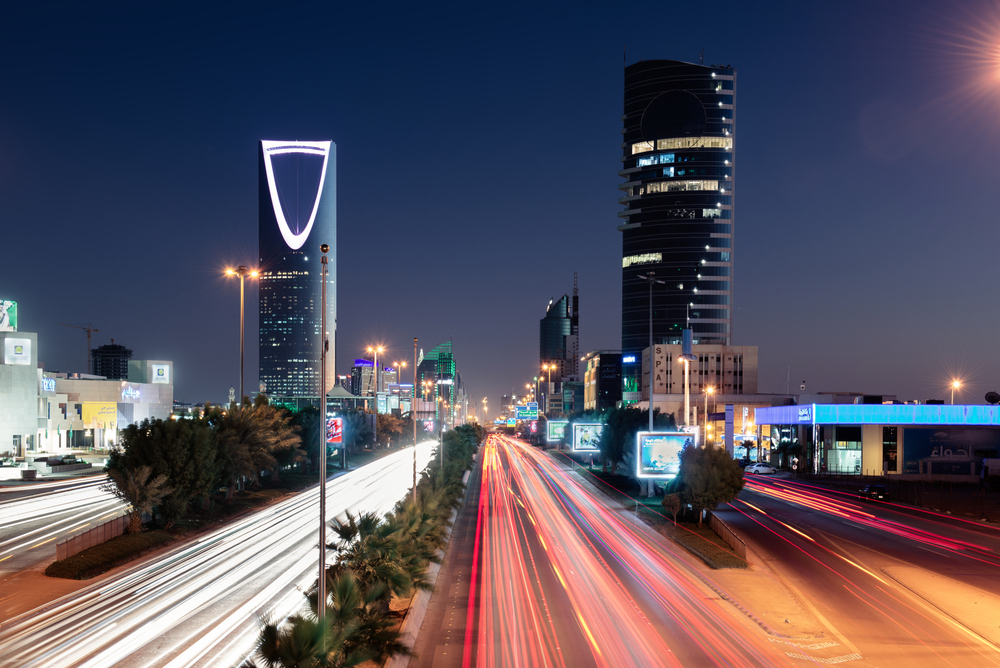
The hospitality industry in Riyadh has undergone significant developments in recent years, with several factors impacting hotel operations. One of the most notable influences is Saudi Arabia’s Vision 2030.
Omar highlights: “In alignment with the kingdom’s Vision, the relaxation of visa regulations and government initiatives to promote Riyadh as a cultural and business hub has significantly increased international tourists in numbers the country hasn’t witnessed before.”
“In addition, the development of mega projects across the city has drawn more tourists, creating opportunities for hotels to tap into new markets. Large-scale events such as Riyadh Season have also resulted in a surge of visitors, requiring hotels to manage increased demand with efficiency.”
However, this growth comes with challenges, as noted by Omar. The opening of new luxury and boutique hotels has intensified competition, pushing hotels to enhance their service offerings. According to the general manager, another area that has seen considerable growth is business and MICE (Meetings, Incentives, Conferences, and Exhibitions) tourism.
As Riyadh continues to position itself as a key player in the business world, the demand for specialised services and facilities has surged, leading hotels to tailor their offerings for corporate clients. Omar also highlights a challenge brought about by the pandemic – health and safety concerns and changing travel behaviours – that hotels are still navigating today.
He adds: “The shift towards sustainability requires not only investment but also operational changes, making it one of the key challenges in the industry.”
Partnerships and collaborations

Collaborations with local businesses allow hotels to offer more authentic, localised experiences to guests. Courtyard by Marriott Riyadh Northern Ring Road is partnering with local chefs, restaurants, and food producers to offer regionally inspired dining experiences. Additionally, they’re working with local artisans and retailers to provide guests with unique, locally crafted products and experiences, adding a cultural dimension to their stays.
Omar says: “Community engagement is another area where we are strengthening ties, through partnerships that support local events, festivals, and charity initiatives. Volunteer programs in collaboration with local non-profits are providing guests with meaningful ways to contribute to the community.”
He also emphasises hotels leveraging partnerships with airlines to enhance loyalty programs and increase brand loyalty. Travel packages that bundle hotel stays with flights, car rentals, and other services are also becoming increasingly popular, appealing to leisure and business travellers.