


A leading voice in the UAE’s push towards sustainable hospitality, Aisha Al Matrooshi, National Experts Program Alumni & Tourism Sector Industry Development Section Head at the Department of Culture and Tourism – Abu Dhabi (DCT – Abu Dhabi), has been a strong advocate, in support of eco-conscious initiatives across the industry.
Over the years, she has witnessed the hospitality industry’s evolution in sustainability-related actions and impact.
She tells Hotelier about how the UAE’s hospitality sector has embraced innovative practices such as the use of renewable energy and advanced waste management systems to enhance sustainability. Al Matrooshi also discusses the importance of integrating smart building technologies and sourcing locally to reduce carbon footprints.
The upsurge in eco-conscious initiatives
Hosting COP28, according to Al Matrooshi, was a significant catalyst for the surge in sustainable initiatives within the UAE’s hospitality industry. “That being said, the UAE’s hospitality sector has been leading with sustainability initiatives for decades. Water conservation, energy-efficient interiors, waste reduction, and eco-tourism practices have long been part of our hotelier DNA,” she adds.
In the 1990s, the Scandic Hotel chain, based in the Nordic countries, was one of the pioneers in integrating sustainability into their operations, followed by IHG, which launched its Green Engage system in 2009.
“Our industry has been promoting ‘made in UAE’ sustainable tourism policies for over 30 years, reflecting an acute awareness of the industry’s reliance on nature, with over 80 percent of its goods and services directly linked to natural resources,” reflects Al Matrooshi.
Despite these longstanding efforts, she asserts there is room for further improvement. “The legacy of COP28 is that we can be even more ambitious in the pursuit of net-zero strategies. The industry has a great opportunity to build on our past experiences and redesign our practices for more impact in the future,” she explains.
The concept of nature-positive travel, introduced by the World Travel and Tourism Council (WTTC), advocates for a regenerative approach where travellers actively contribute to preserving and restoring natural ecosystems, going beyond simply reducing environmental harm but striving for a net positive impact on biodiversity. “In support of this, businesses within the hospitality sector are increasingly integrating nature into the guest experience, whether through guided mangrove tours in Abu Dhabi, or sourcing food locally to reconnect people with their environment.”
Growing demand for eco-conscious travel and hospitality
Al Matrooshi has seen a considerable shift in consumer consciousness towards sustainability. Deloitte’s Global State of the Consumer Survey shows that 68 percent of respondents view climate change as an emergency, and Booking.com’s 2023 Sustainable Travel Report reveals that 74 percent of global travellers aim to travel more sustainably.
“As the UAE continues to chart its path towards achieving net-zero emissions by 2050, the industry requires a systematic shift towards decarbonisation, demanding greater collaboration between hospitality businesses and consumers,” she notes.
She also points out the creative approaches adopted by local hospitality companies, such as Emirates Palace establishing its own beehives and Conrad Etihad Towers introducing an in-house lettuce farm using advanced hydroponic technology.

According to Al Matrooshi, the burden does not solely lie within the private sector, the government also lends its support with initiatives that foster increased action. “For example, when it comes to the issue of food waste, the UAE Food Bank encourages brands to further reduce waste by donating excess food thereby exemplifying the industry’s commitment to social responsibility,” she notes.
“As more emphasis is placed on this issue, some hotels are also going the extra mile by investing in innovative solutions like Winnow, an AI-powered tool that helps chefs predict and minimise excess production. Consequently, saving 1.6 million meals per year from going to waste in the UAE.”
New developments, right from the construction phase, she notes, are incorporating sustainability principles with architects and developers employing eco-friendly building materials and energy-efficient designs to minimise environmental impact throughout the hotel’s lifecycle.
“To hold the industry accountable, there has also been an uprise in certifications such as The Emirates Green Building Council, the UAE’s National Operator for Green Key – a globally recognised eco-label for tourism facilities – which plays a crucial role in identifying and championing sustainability hotels across the country,” Al Matrooshi shares. “To date, over 70 hotels in the UAE have achieved this prestigious certification, demonstrating their commitment to sustainable operation.”
Best practices in hospitality
Al Matrooshi expounds that the UAE hospitality sector is not just adopting best practices in sustainability but is actively innovating and pushing the boundaries of what is possible. “We are seeing a complete shift away from traditional lighting to LEDs which offer 80 to 90 percent energy savings compared to incandescent lighting and 50-60 percent compared to fluorescent lighting,” she says.
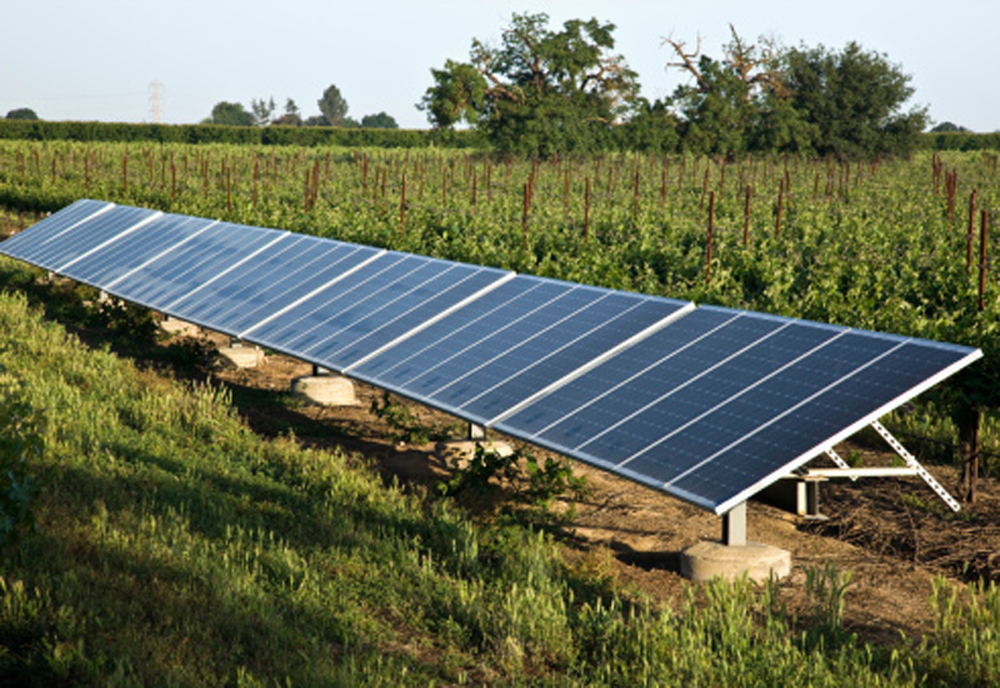
Smart building technology is also taking centre stage, with systems that intelligently adjust lighting and temperature based on occupancy, ensuring optimal energy use. Forward-thinking hotels are even exploring renewable energy sources like solar panels to further reduce reliance on the grid.
Preserving resources is paramount, and this is evident in initiatives focused on water conservation. “Low-flow showerheads and faucets are now standard, leading to water savings of 25 percent to 60 percent,” Al Matrooshi notes. Innovative solutions like greywater recycling systems allow for reusing wastewater for irrigation or toilet flushing, reducing freshwater consumption.
Eliminating single-use plastics in guest rooms is also a common initiative, demonstrating a commitment to reducing waste generation at the source. Furthermore, hotels are forging strategic partnerships with suppliers who share their sustainability values, ensuring that the products used within the hotel, from amenities to linens, are produced with responsible environmental practices in mind, she observes. “For instance, a home-grown hospitality brand prioritises sourcing its in-room amenities exclusively from Forest Stewardship Council (FSC) Certified suppliers, while another brand focuses on selecting food suppliers that prioritise locally sourced produce to reduce carbon emissions.”
Many hotels are now creating dedicated infrastructure for electric vehicles by offering EV charging stations and providing electric transportation options, catering to environmentally conscious travellers. “This not only enhances the guest experience but also aligns with the industry’s focus on reducing carbon footprint,” says Al Matrooshi.

Hotels that were awarded the Green Key certifications by the Emirates Green Building Council are spearheading sustainability in the industry. “Examples include rooftop solar panels for generating renewable energy, sophisticated greywater recycling systems to minimise freshwater use, and comprehensive waste management strategies,” Al Matrooshi explains. Emirates Palace in Abu Dhabi, for instance, partnered with the premium water brand BE WTR to invest in an on-site state-of-the-art bottling system, producing about 2,000 bottles of water per day. These initiatives, she asserts, drive continuous innovation within the industry.
Challenges and impact
One major challenge businesses face when implementing sustainable practices is ensuring everyone speaks the same language. “We need agreed parameters on how to collect and use high-quality data, allowing regulators and businesses to set targets and gauge progress,” Al Matrooshi explains. Comprehensive training programs are also crucial, ensuring that everyone within a hotel is adequately educated on the importance of sustainability and equipped with the skills to implement these practices.
Al Matrooshi highlights the need to focus on marine biodiversity. “This does not only matter for the UAE, where beaches are a main attraction; coastal and marine tourism accounts for over 50 percent of global tourism,” she says. Decarbonising operations requires deep, structural changes, such as overhauling energy systems for greater efficiency or investing in renewable energy sources, which often requires significant upfront investment. “However, its long-term impact will greatly aid our sustainability efforts.”
At COP28, the WTTC’s ‘Water Roadmap for Travel & Tourism’ report highlighted a promising trend: despite the continued expansion of the global travel and tourism industry, total water intensity decreased by rtwo percent over the past decade. “This indicates a positive trajectory towards sustainability, albeit with more work to be done,” says Al Matrooshi.
Incorporating sustainability initiatives as a key business objective has become pivotal for the growth of the hospitality sector, influencing guest satisfaction and overall profitability. A study by Accenture revealed a 38 percent return on investment from decarbonising a hotel within five years. Even small sustainability measures can lead to substantial savings, with the report suggesting up to 40 percent reductions in utility costs.
“These initiatives not only safeguard the environment but also ensure the long-term viability of the tourism industry, which relies heavily on the preservation of natural beauty,” Al Matrooshi expounds. “The importance of sustainability to travellers cannot be overstated, with 83 percent of 25- to 34-year-olds and 42 percent of travellers willing to pay more for sustainable products and services.”
Government’s role and the future
Reaching sustainability goals requires a comprehensive approach from the ground up. The role of government agencies in driving sustainability initiatives is critical. “The ambitious UAE Net Zero 2050 strategy sets a clear national goal for carbon neutrality, driving sectors to adopt sustainable practices,” Al Matrooshi asserts. DCT Abu Dhabi has implemented several initiatives to ensure sustainability remains at the forefront, including sustainable tourism guidelines and the carbon calculator, which estimates and analyses the carbon footprint of hotels.
To ensure sustainable practices are implemented successfully, an inclusive environment must be fostered. “DCT has implemented an Accessibility Events Manual, ensuring that People of Determination have the same privileges as others,” Al Matrooshi explains. “The public sector also facilitates knowledge sharing and capacity building within the industry through conferences, best practice dissemination, and connecting hotels with sustainability experts.”
Initiatives like the Farm-to-Fork Dinner organised by ne’ma are incredibly significant for the UAE’s sustainability goals. “By serving a 100 percent locally sourced, net-zero waste menu, it tackles the issue of food waste head-on,” Al Matrooshi highlights. Such initiatives not only contribute to sustainability but also enhance the guest experience, fostering loyalty and positive brand reputation.
“This initiative tackles food waste by raising awareness and directing funds towards solutions, reflecting a broader trend within the industry of focusing on responsible food practices,” Al Matrooshi states.
Looking to the future, Al Matrooshi envisions the UAE’s hospitality sector playing a crucial role in sustainable economic prosperity. “With a GDP projected to grow by 5.1 percent annually from 2023 until 2033, our sector can drive sustainable economic prosperity, benefiting both people and local ecosystems,” she asserts.
Tourism activities contribute to approximately eight percent of global greenhouse gas emissions, making concerted actions within the sector vital to meeting the goals set forth at COP28. “As tourism activities contribute to approximately 8% of global greenhouse gas emissions, concerted actions within the sector are vital to meeting the goals set forth at COP28. That is why we need to rally around industry-wide benchmarks and policies that enable resilient and sustainable development,” she states.
Also read:
Jumeirah’s Julien Jacob: “Combining sustainability with luxury is key for the industry”