


Sustainability in hotels has gone from a marketing tactic to a full-blown mandate demanded by governments, authorities and consumers alike.
Perhaps no destination is working towards this with more verve than Saudi Arabia’s Red Sea Project. The multi-billion-dollar tourism destination looks to show the world what is possible when sustainability is put at the forefront of all operations.
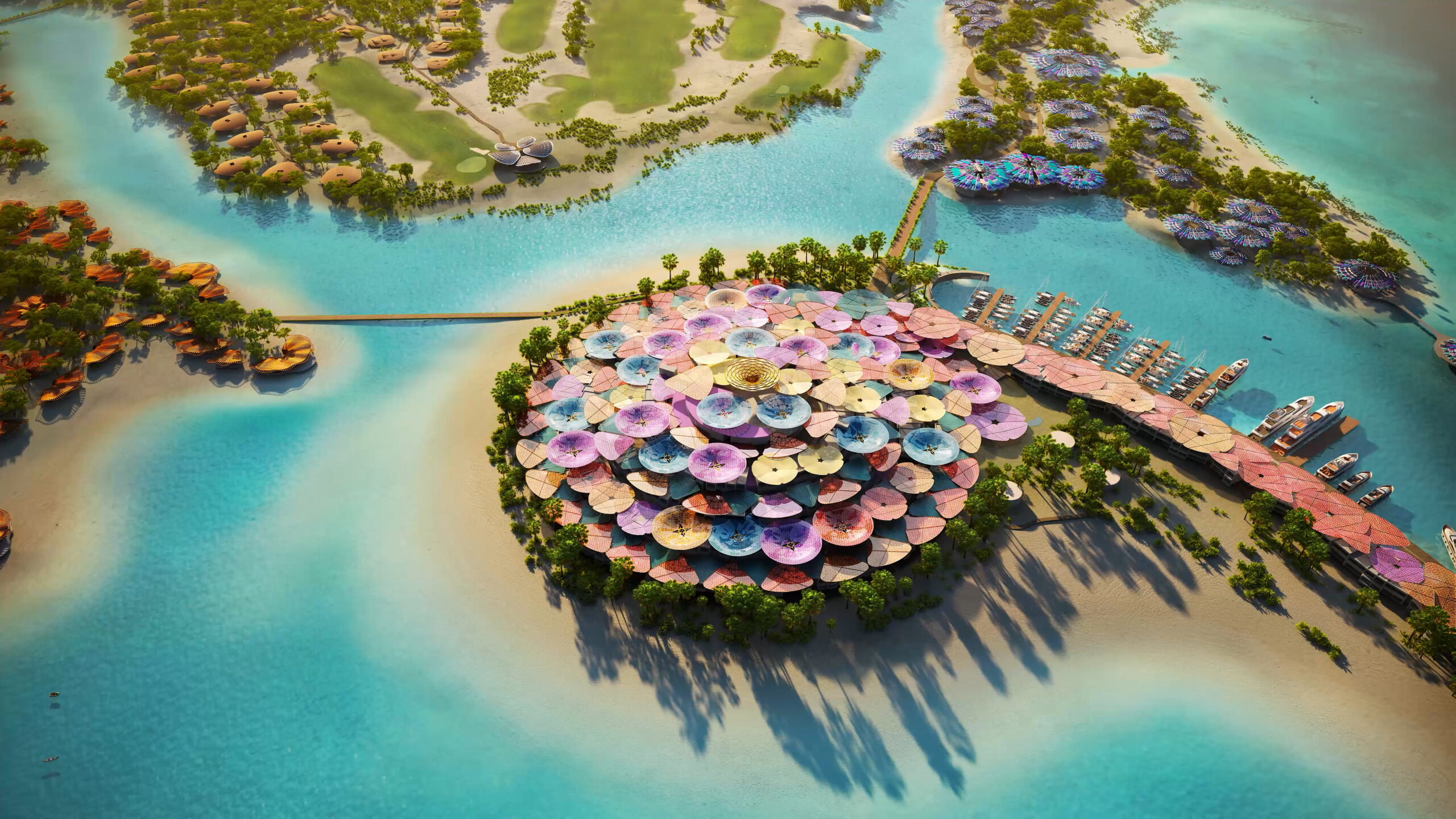
The Red Sea Project will represent the evolution of KSA when it is complete in 2030, from being run entirely on renewable energy sources, growing its own produce and crops, to empowering local communities and talents.
Speaking to Hotelier Middle East, TRSDC’s group head of environment and sustainability Raed Albasseet discussed how to do sustainability the right way.
Sustainability in hotels from day one
Albasseet said: “The difference we are trying to make is two-fold. First, we are trying to achieve the highest standards in sustainable practices and have a clear agenda. We are hitting sustainability performance targets that have never been hit before.
“Secondly, we aren’t planning our sustainability targets for the future, the moment we open, we will have begun our sustainability goals already. A clear example is our waste management facility. It’s fully functional already and it’s handling our construction waste. The waste is being recycled back into the construction process. So that’s a clear showing of us being sustainable even before day one.”

Upon completion in 2030, the site will host 50 hotels offering up to 8,000 hotel rooms and approximately 1,000 residential properties across 22 islands and six inland sites. In its first phase, 16 properties will open on the development, with nine of these properties having already been unveiled.
Boasting the likes of SLS, EDITION, Six Senses and Grand Hyatt, The Red Sea Project looks to draw in guests with the reputation of these immensely luxurious international flags. What will unify these guests wherever they choose to say, says Albasseet, is that personal commitment to sustainability.
Part of the Red Sea Project’s DNA
The environmental chief continued: “Sustainability is part of the offerings to the guest. One of the attraction points to the guest is the knowledge they are visiting somewhere unlike anywhere else in the world. Other destinations’ offerings are at the expense of the environment.
“The visitor is part of that journey to improve the world. Visitors need to understand that if they want to have a good time, it cannot be at the expense of the environment and the places where native people live.
“Sustainability is part of our DNA, so the journey of any tourist at our destination will have sustainability rooted in it. The guests can contribute to the agenda of the destination. They can make a difference when they stay at our project.
“Diving is not just diving to interact with natural beauty, it will also be a chance to contribute to the growth of the corals. Divers are offered the opportunity to take a coral from the lab and plant it in the location underwater.”

This is where the Saudi giga-project begins to distinguish itself from existing sustainability projects. While others have worked to minimise the impact they have on the earth, The Red Sea Project is looking to maximise its impact – so long as they are positive ones.
Regenerative tourism
The difference between merely sustainability and regeneration is another element that sets The Red Sea Project apart. He continued: “That’s what we’re trying to break – the connection between tourism and the exploitation of resources. It’s not about leaving a place without a trace, we want people to come and to add a positive trace rather than leaving one at all.”
The duty to sustainablity
The idea of ‘duty’ comes up time and again. It’s something that falls to everyone, he said: “Sustainability in hotels is the duty of the developer. Embedding environmental protection and enhancement is on the developer to make sure the project contributes to all facets of sustainability. It’s the destination’s responsibility to provide people with what they demand, and data shows that travellers now expect sustainability.
“The developer should enable and empower travellers to be sustainable and to contribute to their environments. This is a long-term commitment and can only happen if we design a system where everything contributes to enhancing the environment and the wellbeing of the people.”

Keep an eye out on Hotelier Middle East as our December issue takes a closer look at the topic of sustainability in hotels.