


Before the introduction of Radisson RED and a company-wide focus on resorts, Radisson Hotel Group was primarily known as a corporate hotel firm. The European hotel major was often favoured by business travellers for its large meeting facilities and close proximity to commercial hubs.
However, as time has gone on, accelerated by the pandemic more so, the firm’s chiefs have started to ‘balance’ their strategies and push the group more into leisure and lifestyle. That is according to Radisson Hotel Group’s global chief commercial officer and executive VP Eric De Neef, who said the move is “vital” for the group to keep up in the market.
Speaking to Hotelier Middle East, De Neef said: “Radisson was a business hotel group because that’s where the business was coming from. Now, in Dubai at least, being leisure-driven is vital. We need to create a leisure experience to keep up.
“The group is becoming a mix of both leisure and corporate. Corporate business will grow, it will come back, but we need to strike the right balance between those two segments. We need to be all over the market.
“When you look at trends in the market, international travel is still down, meetings and events are still down. So what does that mean for Radisson? We need to reinvent ourselves to keep business. We’ve seen a boom in leisure and we need to adapt to that.”
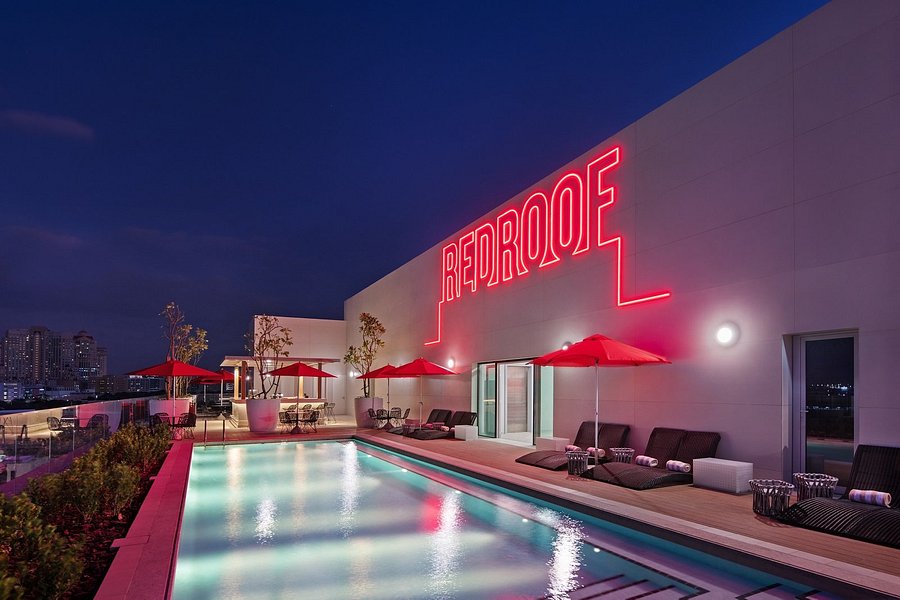
De Neef went on to say this focus on leisure, lifestyle and resorts is especially present in the Middle East, with the VP praises Dubai in particular for its “energy to innovate.”
Later this year, the group will open its first resort in the emirate, the Radisson Resort Dubai Palm Jumeirah.
The Kingdom of Saudi Arabia also remains a top location for the group’s resort portfolio, instigated by Radisson’s original property in the Kingdom, Nofa Resort Riyadh, A Radisson Collection Hotel.
Future openings, include Radisson Blu Resort, Riyadh Hills Itlalat and Radisson Blu Resort, Riyadh Hills Shalalah.
Speaking about resorts, De Neef explained: “The resort approach is critical for the company. One of the learnings from the Middle East is that we can tap into the leisure segment in Europe as well. We’re trying to balance the portfolio now to reach all segments. Our property on the Palm will be a great lesson for us.”

Radisson creating community hubs
Describing Dubai as the group’s “pilot case globally,” De Neef went on to detail the many lessons he and his team take from the emirate.
He said: “Commercially, the Middle East and Dubai teaches us the importance of F&B in the guest experience. In Dubai, restaurants have become a critical part of the communities they reside in. In Europe, restaurants in hotels are more of an add-on. In Dubai, restaurants manage to integrate themselves into communities.
“That’s great for hotels because it brings more communities into your property. You don’t see that in Europe yet – that’s the biggest level from this region. We are also trying a cloud kitchen business in this region, it’s piloting right now.
“We’re driven by the idea that a hotel needs to be at the centre of local communities.”

Future of the RED brand
Given his admiration towards the emirate and appetite to move more and more into leisure, De Neef revealed there is a chance a Radisson RED resort could come to Dubai. It is the second time such a property has been mentioned to Hotelier Middle East, with Elie Milky, vice president of business development, Middle East, Cyprus, Greece and Pakistan also saying previously the concept is being considered.
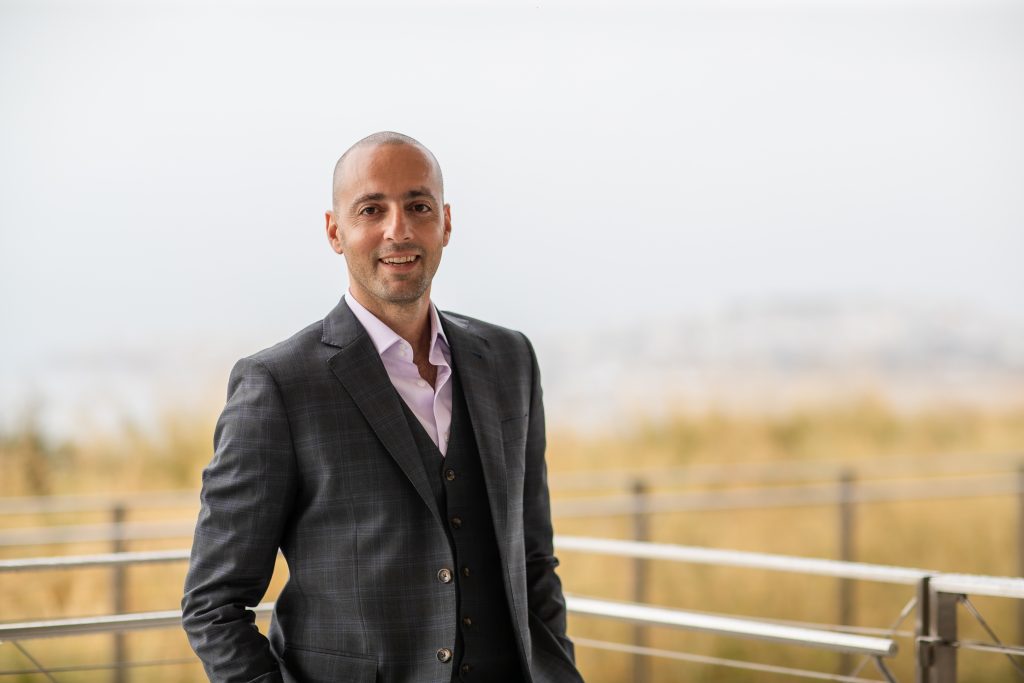
De Neef said: “Radisson RED is exciting. For us, when you talk about lifestyle, Radisson RED is our answer. In Dubai, in my view, we have space for three or four RED properties, including a resort. You could have a RED long-stay property even.
“What is fantastic about Dubai is its energy to innovate. When I come to Dubai, I feel it. Dubai wants to move forward, it is always on the go. Compare Dubai to the European continent, the difference in energy is huge.”