

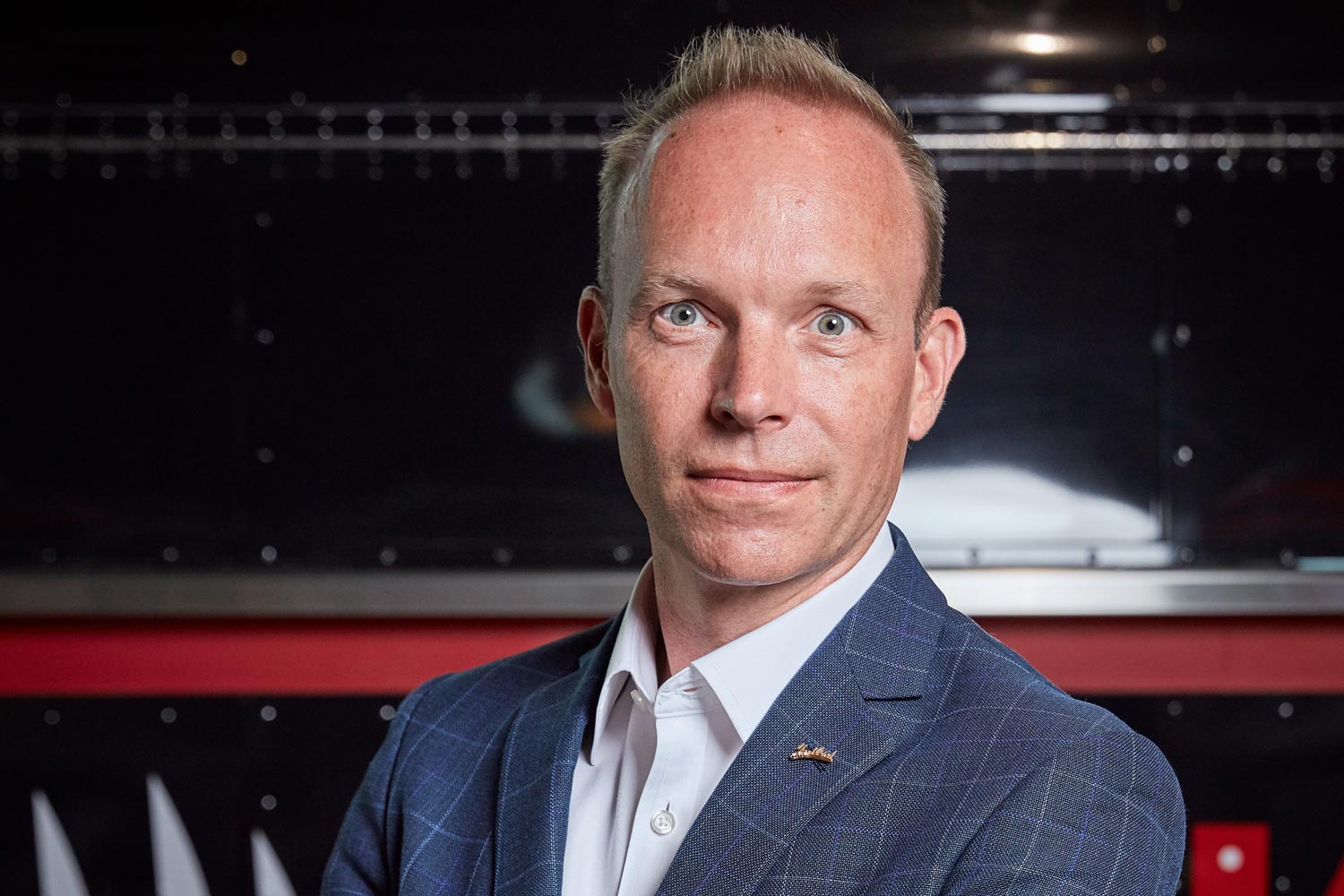
Radisson Hotel Group MEA COO Tim Cordon is a realist. He has a five-year goal to help Radisson Hotel Group be one of the top hotel groups in the world, making sure it is the brand of choice for owners, guests and partners in the region. All the while, he plans to continue to strengthen Radisson’s portfolio, with 167 hotels in operation and under development in the Middle East and Africa.
Cordon plans to reach 100 hotels in the Middle East by 2025, reaching 115,000 rooms and doubling Radisson Hotel Group’s presence in the region.
These are some big aspirations, but nothing Cordon isn’t capable of. While the hospitality industry has had a reputation of promising the world, Cordon has a realistic, efficient and clear roadmap for his region.
Tim Cordon moving with the times
One of the biggest things he had to come to terms with in the past three years has been the market shift towards leisure.
He told Hotelier Middle East: “The market has changed, not Radisson. Leisure and cross-purpose travel has boomed. We’ve had to respond to that. I’m not unhappy about that change. Resorts have done amazing over the last few years, especially on the beach.
“You can’t pick up a hotel and move them, right? So we can’t put hotels on the beach if they aren’t there, but we can look at [existing] hotels and change how we operate them. That’s how you train teams, how you appeal to guests, how meet different needs.”
Radisson in Saudi Arabia
In the world of leisure, Radisson has the established Radisson RED hotel in Dubai Silicon Oasis, its first Dubai beach resort opened in Dubai last year, a resort in Ras Al Khaimah, and a pipeline of lively hotels including a RED in Diriyah Gate.

In fact, Saudi Arabia is one of Cordon’s biggest markets for growth. The upcoming Radisson RED in Diriyah will sit alongside dozens of super-luxury hotels, from The Langham, to Six Senses to even the ultra-exclusive Aman brand.
A mix of products
Across the Kingdom, luxury remains at the forefront, with the majority of giga-projects prominently signing five-star names. Radisson could’ve followed suit – bringing further Collection properties to the country, and while that is on the table, Cordon is focused on a mix of service offerings.
He explained: “The push towards luxury in Saudi Arabia is understandable, I get it. Luxury, luxury, luxury. That’s all great but if the overall vision is to have 100 million visitors, you need to think about a few things. Just think about how many planes will need to land in Saudi, and how many business class and first class seats are on those planes.
“The vast majority of the plane is not business class though, so where will those people stay? You need to have a hospitality offering that matches the aspirations of the country.
“In the first round [of openings], Saudi is going for ultra-luxury hotels to make itself known, but down the line, that’s where brands such as Radisson RED become incredibly relevant. That’s not to say luxury isn’t important to Radisson in Saudi, but in a broader plan, you need some midscale, upscale and upper upscale hotels.”

When asked his approach for growing in the region, Cordon responded: “The word I go for ‘efficiency’.”
In Cordon’s eyes, the Middle East hotel market has entered a point of maturity where “ego projects” aren’t as needed. Dubai has made itself a global icon thanks to immense projects such as Palm Jumeirah, and Saudi could do similar things with its projects, but for Radisson, the game plan won’t change.
Cordon said: “We need the right partners and find the right moment.”