


As we embark on a new year, GMs around the region share which aspects of the business they are planning to focus on in 2025. This includes improving the employee experience, reducing their carbon footprint, exploring AI, as well as their predictions for guest preferences.
Elevating the employee experience
It’s no great mystery that a happy workforce equates to happy customers and, subsequently, a thriving business. When speaking with general managers around the region, it’s clear that improving the employee experience is a top priority for them this year. There are several ways they plan to elevate the employee experience, from recognising positive performance, to providing training to support employees’ growth and self-development.
Taking genuine responsibility for employees’ wellbeing and ensuring they feel valued and appreciated at every level, from room attendants to the executive level, is key for keeping employees engaged and happy, according to Anna-Marie Dowling, GM Nofa Riyadh, a Radisson Collection Resort.

“Recognition and gratitude go a long way – celebrate achievements, big or small, and acknowledge their contributions regularly,” says Dowling. “Positive energy from the leadership team is crucial, as it sets the tone for the workplace culture. By leading with optimism and enthusiasm, you inspire and motivate your team. When employees feel supported,
respected, and connected to a shared purpose, they remain engaged and productive, contributing to the business’s overall success,” she adds.
Dowling shares that one of the resort’s most successful initiatives was the launch of the “Nofa Spirit” training program. A blend of leadership and service excellence that encourages the team to go above and beyond in delivering the Nofa experience, she explains how it’s played a huge role in uniting the team around a shared culture and mission.
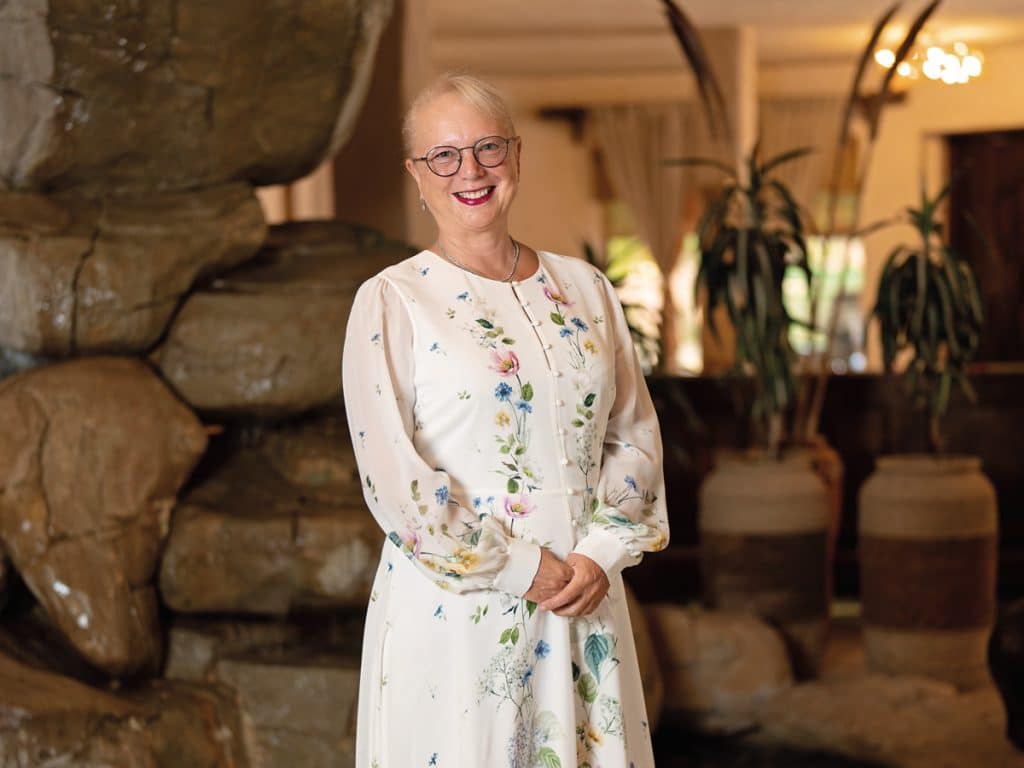
Dowling elaborates: “The success of this program stemmed from its focus on empowerment and recognition, with clear, measurable outcomes that allowed us to continuously improve and evolve. The support from all levels of leadership, and
buy-in from our team members, as well as the consistent energy from teams at all levels of the business, was crucial to its success. Communicating monthly updates on how we were performing against our goals, and taking the opportunity to celebrate our successes throughout the year helped achieve this.”
At Atlantis The Palm, GM and SVP operations, Kym Barter, believes that keeping employees engaged and happy ensures a productive workforce, by providing opportunities for growth, celebrating successes – both big and small – and fostering a culture of inclusivity and collaboration.
“Happy teams create happy guests, and we ensure our employees feel valued through recognition for a job well done and meaningful development opportunities. We’ve focused on fostering a culture of recognition and growth. This includes introducing peer-nominated rewards, expanding leadership development programmes, and creating open forums for employees to voice ideas and concerns. We aim to provide clear communication about Atlantis Dubai goals so we’re all working together and have unity across the destination,” Barter adds.
He shares how 2024 was one of the best years financially for the business, breaking previous records – and that this achievement wouldn’t be possible without the entire team. Barter says: “We are incredibly proud of the team’s dedication to continuously deliver an extraordinary experience to our guests.”
Sustainability in action
It’s a topic that’s talked about a lot, and for good reason. As it becomes a growing priority for guests, sustainability is poised to be one of the most significant trends shaping the hospitality industry this year, both in the Middle East and globally. Guests are increasingly searching for and choosing eco-conscious options, whether that’s accommodation with a low environmental footprint, or an F&B venue that sources its ingredients locally and minimises waste.
Many hotels have set ambitious sustainability goals for themselves, but guests expect to see real change and results. As James Reeves, general manager at Hotel Indigo Jabal Akhdar Resort & Spa straightforwardly puts it: “Guests care more and more about sustainability, and they are seeking out hotels, resorts and destinations that are sustainability certified. We all need to walk the talk and get rid of single-use plastics and containers, plus reduce food wastage and overall carbon/garbage footprint.”
Eliminating single-use plastics, adopting renewable energy solutions, and implementing water conservation measures are all practices hotels can do to take a step in the right direction. It’s clear that hotels making a real positive impact on the environment will increasingly gain the competitive edge.
Fabien Chesnais, general manager at Mövenpick Resort Al Marjan Island says: “Hotels that integrate sustainability into their operations – not just as a practice but as a core value – will lead the way in attracting environmentally conscious travellers and enhancing long-term brand loyalty. This year, the industry is expected to move further towards creating meaningful guest experiences that combine luxury with responsibility, aligning with the global demand for a greener future.”
Prioritising better waste management, recycling programs and initiatives to minimise food and material waste will be the focus for Mövenpick Resort Al Marjan Island in 2025, Chesnais tells us. By implementing energy-efficient systems, renewable energy solutions and sustainable transportation options, they plan to reduce their CO2 emissions. “Additionally, we will prioritise collaborating with green partners who share our commitment to environmental responsibility, ensuring
our supply chain aligns with our sustainability goals,” Chesnais adds.

At Taj Dubai, GM Saurabh Tiwari shares how sustainability is a critical pillar of its 2025 goals. Investing in carbon reduction, waste management and water conservation initiatives across all properties will be a focus. Taj Hotels also recently launched an initiative under Indian Hotels Company Limited’s Paathya program ‘INNERgise’, to ensure all meeting and events are conducted with minimal environmental impact without compromising luxury or service quality.
“These meetings incorporate eco-friendly practices, from reducing waste and energy consumption to using sustainable materials and offering locally sourced organic food options, ensuring every event aligns with our sustainability goals,” says Tiwari.
Having always been a core focus for Six Senses, general manager at Zighy Bay, Diletta Guarino, tells us how the goal is to continue letting sustainability guide both operations and experiences for guests in 2025. An example of this is Earth Lab, a place where guests and hosts can explore a range of eco-friendly experiences.

Guarino elaborates: “One experience that holds a special place in our hearts is Hay Day at Dibba Farm. Here, guests get to roll up their sleeves and step into the life of a farmer for the day – making cheese, caring for animals, and even harvesting their own food ingredients that will then be used to prepare a tasty and responsible lunch.”
“It’s a truly hands-on experience that allows our guests to connect with nature, learn about sustainable farming, and enjoy the simple, rewarding pleasures of life on the land.” By thinking creatively, hotels like Six Senses can provide guests with
unique experiences that also enrich their relationship with the natural environment.
AI adoption
While hotels in the Middle East have been introducing different technologies over the years, from contactless check-in to smart TVs and QR code menus, artificial intelligence (AI) opens a plethora of options.
To stay at the forefront in an ever-evolving industry, hotels are assessing the ways they can harness this new technology in 2025, and what benefits it could bring to the business. As personalisation remains a priority with guests increasingly seeking highly tailored experiences, Tiwari at Taj Dubai sees AI being key to achieving this.
“Modern travellers want more than a stay; they’re looking for a journey that echoes with their individual preferences, values, and lifestyle,” Tiwari says. “To meet this demand, Taj is committed to leveraging digital solutions and AI to better understand guest preferences and offer uniquely crafted experiences. For example, we will continue to expand on personalised offerings, such as curated wellness programs, customised dining experiences, and local cultural immersions, allowing guests to engage more deeply with the places they visit.”
Employing AI-driven data analytics enables the hotel to gain deeper insights into individual guest preferences and trends, allowing them to anticipate guests’ needs in real time, Tiwari tells us. He also sees the potential in AI helping to streamline tasks, through chatbots handling simple guest inquiries, or predictive analytics optimising inventory, allowing the team to focus on more personal interactions.

Giacomo Puntel, general manager at voco Bonnington JLT also believes AI will continue to transform the hospitality industry in 2025 and be key to streamlining operations, improving guest satisfaction and overall business performance.
“We’re actively exploring the integration of AI-powered guest services, such as personalised recommendations through chatbots and virtual assistants. These tools can streamline guest interactions, offering instant support, customised suggestions for dining or activities, and seamless service requests,” Puntel says.
Meanwhile at ME by Meliá Dubai, general manager Elsa Lahoude tells us how they plan to integrate several cutting-edge technologies this year, to improve operations and further enhance the guest experience through providing a more personalised service, such as room customisation, and concierge services.
“We’re planning to integrate more IoT (Internet of Things) solutions in the rooms, allowing guests to have full control over their environment – from lighting to temperature to entertainment. On the operational side, we plan to adopt automated systems to streamline back-of-house functions, improving efficiency in areas like inventory management, housekeeping, and staff scheduling,” explains Lahoude.
Guests are seeking soul-enriching experiences
When it comes to the guest experience, there are two main trends that have been steadily growing over the past years, with no sign of slowing down: an eagerness for wellness travel, as well as more authentic, cultural experiences.
With more understanding and awareness of their health and longevity, guests are more often looking for hotel options that prioritise their wellbeing. Six Senses Zighy Bay’s GM Diletta Guarino explains how they have been seeing more guests wanting personalised experiences that help them slow down, feel good, and also gives them something they can learn to take home with them.
“I expect that wellness will continue to play a bigger role this year, but in a more meaningful way. It’s no longer just about getting a massage or a facial; people want to feel truly refreshed, inside and out. They’re looking for ways to take care of their minds and emotions as well as their bodies, and they want this to feel natural and part of their everyday life,” says Guarino.
“Whether it’s a quiet yoga session at sunrise, a mindful walk in nature, or a nutrition talk that helps them eat better, our goal is to make wellness feel simple, accessible, and fun. It’s about helping people feeling not only relaxed, but also energised, happy, and ready to keep those good habits going when they’re back home,” she continues.

Mövenpick Resort Al Marjan Island’s GM Fabien Chesnais equally anticipates guests prioritising healthier eating options this year, with a growing demand for plant-based dishes, organic ingredients and wellness-focused menus. In addition, he forecasts that guests travelling to the Middle East this year will have a heightened eagerness to try new things, looking for experiences that allow them to step out of their comfort zones and feel more deeply fulfilled.
“To meet these evolving preferences, hospitality providers must focus on offering diverse and exciting options that cater to wellness, adventure and novelty, ensuring unforgettable guest experiences,” says Chesnais. Whether its innovative dining concepts or interactive workshops and curated excursions that immerse guests in nature, culture and unique local offerings, hotels and all their employees need to become better acquainted with the local surroundings and history to be able to deliver these kinds of experiences effectively.
“Guest preferences do not evolve that much; however the differentiator is the ability of our storytelling prowess,” explains James Reeves, GM at Hotel Indigo Jabal Akhdar Resort & Spa’s. He continues: “We need to know more about the destination than ever before; guests want to know beyond the fork! They love being told stories from the destination they are visiting.”
In Saudi Arabia, as the country embarks on its ambitious journey toward Vision 2030, the hospitality sector is set to play a central role in the Kingdom’s transformation to becoming a global tourism destination. To achieve this, Saudi hotels understand the importance of integrating local culture in their offerings. Carla Puverel, GM of Shebara Resort, believes that preserving and celebrating local heritage will become as essential to the guest experience as luxury and service.
“To meet these evolving expectations, hotels must blend tradition with modernity – offering culturally immersive experiences, curating authentic local encounters, embracing sustainable practices, and empowering local talent,” explains Puverel. “Through thoughtful cultural integration, hotels will not only deliver unparalleled guest experiences but also contribute to Saudi Arabia’s long-term vision of becoming a culturally vibrant and globally respected nation”.

Adapting to the demand
To adapt and cater better to this growing desire, many hotels are implementing new initiatives to enable guests to connect more deeply with local traditions and the natural, local environment. Six Senses Zighy Bay’s GM, Guarino, elaborates on the cultural experiences they’ve implemented at the resort that have resonated with guests.
“One example is our Sense of Oman: Through a Woman’s Eyes experience. This immersive journey takes guests to the nearby Dibba Women Association, where they can participate in traditional activities such as date palm weaving, pottery decorating, and henna painting, while also enjoying the rich aromas of local coffee and spice blending. This experience not only provides guests with a meaningful connection to Omani culture but also supports the local women community, with all proceeds going to their association for infrastructure development, including essential facilities for local children,” shares Guarino.
Remus Palimaru, managing director of Rosewood Abu Dhabi has also observed that guests are increasingly searching for hotels providing cultural, adventure, or food-centric offerings. As a result, the hotel has been adapting its offerings to meet the growing demand for experiential travel.
“Our A Sense of Taste program caters to this trend with experiences like Beyond The Pearl, a one-of-a-kind journey blending culture, adventure, and local cuisine. Guests can join local divers on a traditional dhow to explore the mangroves and dive for pearls, immersing themselves in the rich history of the Arabian Gulf’s pearling industry. This authentic Emirati experience also includes a luxurious picnic featuring Arabic delicacies crafted by Rosewood Abu Dhabi’s very own culinary team,” says Palimaru.
As we enter the new year, these types of guest offerings – both new and recently refreshed – will place hotels in the prime position to welcome guests from around the world and introduce them to the rich culture and history the region has to offer.