

If hotel loyalty programmes were once designed to reward frequency and consistency, today’s Gen Z travellers aren’t buying in.
A 2025 study by Collinson International reveals that 84 percent of consumers now prioritise the rewards and benefits offered by payment cards or bank accounts over the reputation of the issuer. That’s not just a stat—it signals a major shift in how loyalty is earned and retained.
Legacy programmes built on points, free nights, and tiered access are increasingly out of step with modern expectations. The next generation of travellers wants flexibility, instant rewards, and relevance. Gen Z isn’t loyal to logos; they’re loyal to brands that understand their values and reward them accordingly.
As Collinson’s research shows, travel brands are responding. Many are moving away from price-based perks, which may drive short-term sales but risk commoditising the guest relationship. Instead, loyalty leaders are doubling down on personalised offers, exclusive access, and experience-first benefits. Programmes like Priority Pass — offering entry to more than 1,700 lounges across 145 countries — stand out precisely because they let users redeem value on their terms.
This approach, proven successful in the airline industry and other consumer sectors, is one hospitality can no longer afford to overlook. According to Salesforce, 73 percent of customers now expect better personalisation, and 80 percent say the experience is as important as the product itself, validating the shift toward loyalty as an emotional, not just transactional, exchange. Hospitality brands that fail to keep up risk falling behind in a landscape where relevance is earned through connection, not just consistency.
Inside the Gen Z mindset

To understand what loyalty means to Gen Z, we spoke to local and resident travellers in the Kingdom, aged between 21 and 28. All are established in careers outside of hospitality, ranging from media and law to wellness and design, shedding light on hotel booking and guest behaviour through a lens unclouded by industry assumptions.
The findings point to a decisive shift: 90 percent prioritise flexibility, aesthetics, or value over brand recognition. Just 40 percent actively engage with loyalty programmes and when they do, it’s typically because the sign-up is effortless and the perks are immediate. Most agreed that instant perks such as room upgrades, spa credits, or early check-ins were far more appealing than point accumulation.
The respondents unanimously said they’re open to experimenting with new hotel brands — especially boutique or design-forward properties — but they expect consistency in service and flexibility in the experience.
Gen Z wants more than just a room, they want control over the entire journey. 90 percent of respondents prioritised flexibility in check-in/check-out, valuing freedom around their travel schedules over rigid processes. They also expressed interest in customisable or modular packages — be it wellness add-ons, curated local experiences, or personalised in-room amenities.
Booking behaviour skewed overwhelmingly digital, with 70 percent opting for OTA platforms like Booking.com for convenience and transparency. These platforms offer convenience, competitive rates and still provides loyalty points that can be used for future bookings at any hotel around the world, rather than just with one brand.
Appealing to a digital-first generation
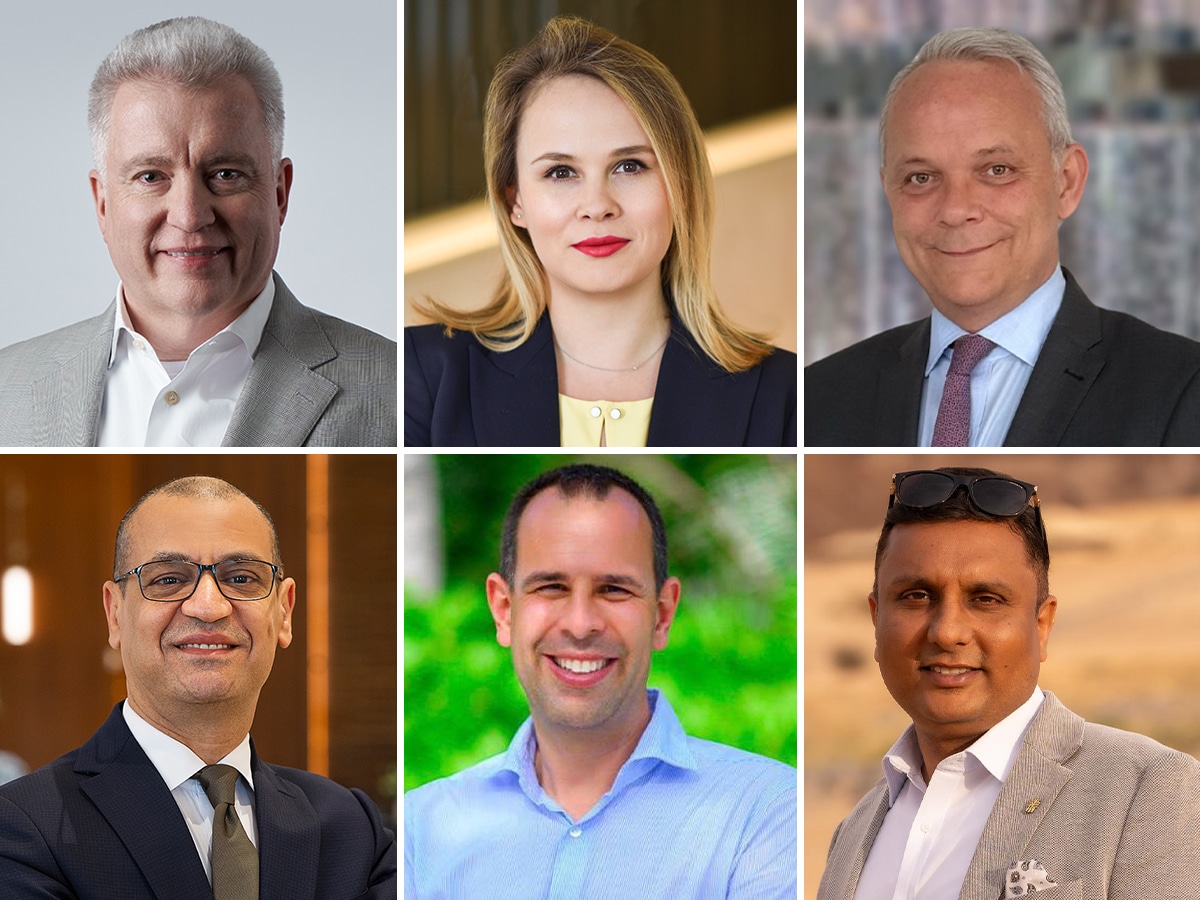
Social media and pop culture plays a huge part in the decision-making process when it comes to Gen Z travellers. Shangri-La Jeddah’s GM Brice Lunot shared: “At Shangri-La Jeddah, young travellers aspire to become influencers and make a statement among their friends and community. They are often inspired by films, Netflix, and destination documentaries. For example, some may seek out places featured in Friends, Eat Pray Love, Emily in Paris, or travel programmes about Al Balad – Historic Jeddah City. This generation is looking for journeys that go beyond typical tourist attractions. It’s about experiences they can share on Snapchat, TikTok, and other social media platforms.”
Using feedback from social media and CRM data, Shangri-La Jeddah is able to align rewards with Gen Z preferences. Lunot added: “Understanding lifestyle, values and digital behaviour helps us shape loyalty in real time.” The hotel has introduced in-room tablets, digital concierge services, and cultural activations to better cater to their tech-savvy guests.


Guenter Gebhard, regional VP and GM at Four Seasons Hotel Riyadh, agreed: “They expect seamless, mobile-first interactions — and respond best to authenticity, personalisation, and access to culture.” As a results, the Four Seasons app acts as a full-service concierge, offering itinerary planning, real-time chat, and custom service requests.
Another trend was noted by Emad Mahmoud, GM at Hilton Al Khobar: “Gen Z guests tend to book last minute and spend more per night when the stay includes added value such as local experiences, wellness amenities, or curated dining options. Focusing on Gen Z has made our performance more resilient.” Adapting their loyalty programmes accordingly, Mahmoud shared that Hilton has embraced a more flexible, lifestyle-integrated approach designed to resonate with Gen Z’s daily behaviours.
Doing it for the plot
From wellness memberships at Hilton Al Khobar to elevated culinary spend at Four Seasons Riyadh and lifestyle-driven brand activations at St. Regis, the shift is clear: Gen Z isn’t loyal to programmes — they’re loyal to how brands make them feel.
And the results are measurable: increased ADR, stronger RevPAR, growing direct bookings, and higher loyalty sign-ups. As Gebhard put it: “Their willingness to invest in personalised, lifestyle-driven experiences is directly contributing to higher total revenue per available guest.” Across the board, hotels are seeing Gen Z contribute meaningfully to ancillary revenue.
Gebhard explained how every F&B outlet within Four Seasons Hotel Riyadh is intentionally crafted to be content-ready, aligning with the desire of younger guests to capture and share experiences in real-time. He also pointed to strategic partnerships that add depth to the guest journey: “Collaborations with cultural institutions like Diriyah allow us to offer exclusive, customised tours, while initiatives with local creatives, such as the recent activation with Dar El Hanouf House, bring authenticity and storytelling into the guest experience.”


At The St. Regis Riyadh, GM Marina Krasnobrizhaya shared that the brand’s strategy also focuses on immersive moments. She explained: “We focus heavily on emotional engagement. Immediate, experience-driven rewards — like personalised amenities or invitations to social events — create real-time impact.” The hotel also communicates through curated influencer platforms and social storytelling, spotlighting details like its signature mocktails or TikTok-famous cappuccinos.
Krasnobrizhaya highlighted the emotional component of brand connection. “They want to feel part of a meaningful social environment — not just be passive guests,” she said. Initiatives like mocktail storytelling at The St. Regis Bar and cultural gatherings at Ginori Terrace foster that sense of belonging. She added: “External recognition, including design awards, creates a halo effect that resonates strongly with Gen Z.”
Outside of city hotels, luxury resorts are looking at loyalty through a new lens of deeper emotional connections and co-created journeys. At Banyan Tree AlUla, GM Bhavesh Rawal explained: “Luxury isn’t defined by excess, it’s defined by emotion. Gen Z travellers are drawn to places that allow them to disconnect from the digital and reconnect with themselves. From journaling at sunrise to dining beneath the stars, the resort focuses on presence over performance. They don’t want packaged experiences — they want to shape their own stories.”
At Six Senses Southern Dunes, The Red Sea, GM Benjamin Kreuz described an approach rooted in responsiveness and rhythm. “Gen Z isn’t just seeking beautiful destinations — they want meaning woven into everything: design, food, wellness, even how they check in. That relationship begins with understanding their energy and intentions. Sometimes, it’s as simple as asking, ‘How did you sleep?’ — a question that opens the door to how they’re feeling and what they might need that day.”


What comes next for loyalty?
Hotel loyalty programmes are on the brink of their biggest transformation in decades — and Gen Z is shaping the blueprint. Across the Kingdom’s hospitality landscape, hotel leaders are finding that loyalty is no longer earned through transactions — it’s built through trust, relevance, and moments that feel authentic.
“This generation rejects anything that feels transactional or overly branded. They only respond to authenticity, relevance, and real-time value,” said Gebhard. “The future will lean less on points and more on personalisation, exclusivity, and access. Programmes will need to be socially visible and designed around advocacy rather than spend.”
Shangri-La Jeddah is following suit through seasonal activations and cultural partnerships. “This generation is more likely to jump on trends and limited-time offers than commit to long-term loyalty,” Lunot explained. To stay relevant, the property is working with ambassadors and tying in with large-scale events such as the Saudi Arabian Grand Prix.
Meanwhile, subscription-based models, gamified rewards, and socially driven engagement are gaining traction – non-traditional models that reward participation, community involvement, and brand advocacy. For hoteliers, this isn’t just a generational trend, it’s a strategic inflection point. Those who adapt with agility, cultural fluency, and emotional intelligence won’t just appeal to Gen Z, they’ll help define the future of loyalty for years to come.
General managers across Saudi Arabia agree that Gen Z travellers are challenging traditional hotel loyalty models. Collinson’s study corroborates what hoteliers already know: Digitally native and experience-led, young travellers prioritise mobile-first convenience, flexibility and emotional connect. And the brands that adapt not only build trust, but also long-term advocacy.