

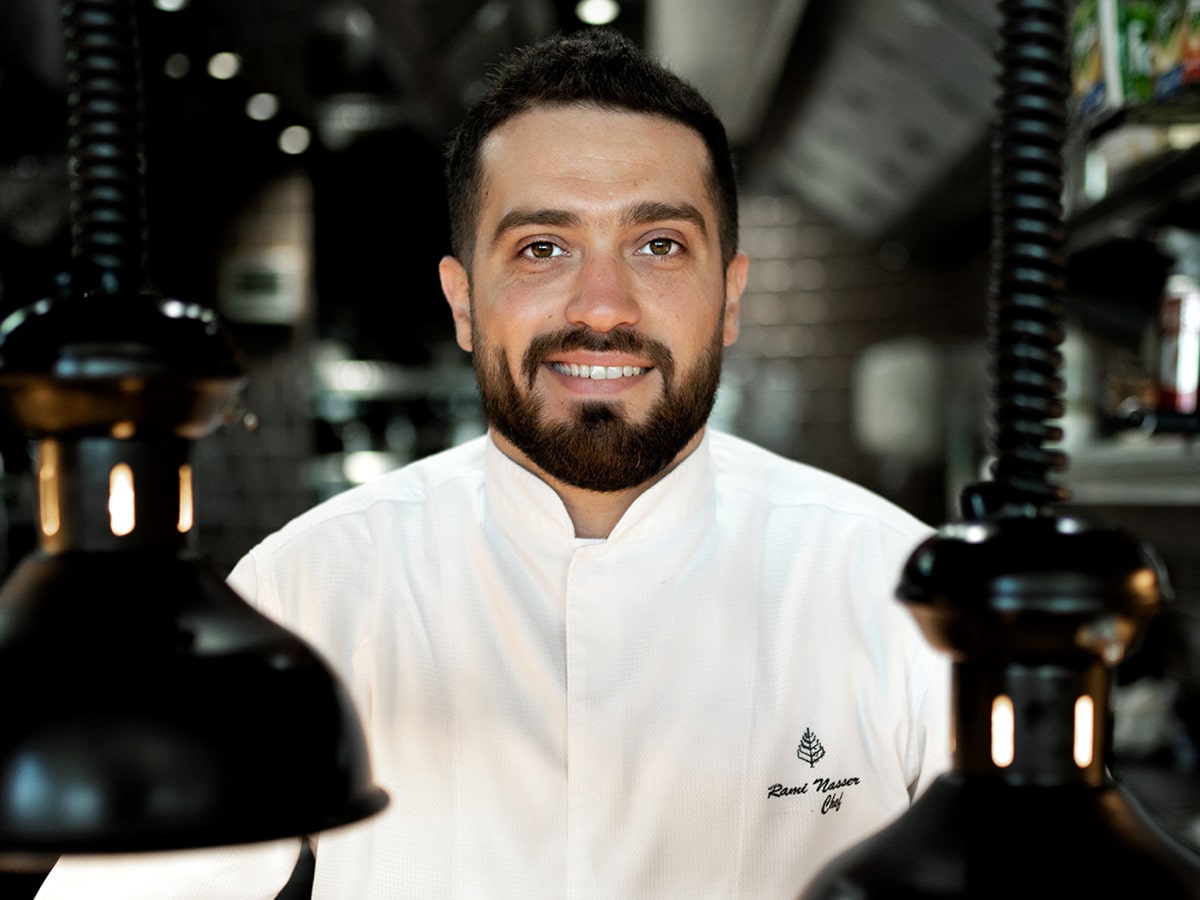
Blending tradition with innovation, Rami Nasser, executive chef at Four Seasons Hotel Dubai International Financial Centre is at the forefront of redefining the suhoor dining experience.
Even as the region’s suhoor scene evolves, the executive chef says that he is committed to honouring roots of this traditional meal, ensuring each dish is an ode to heritage, nostalgia, and the shared joy of Ramadan.
In conversation with Caterer, Nasser shares his approach to recreating the warmth and love of his mother’s suhoor from Lebanon to Four Seasons’ suhoor in Dubai, held at the hotel’s Penrose Lounge.
The executive chef also opens up on the pricing and complexities faced by the team in bringing the experience to life while reflecting on the changing face of suhoor in the region.

Creative challenges and pricing
One of the hurdles the team faces, according to Nasser, is convincing the new generation of the beauty and significance of traditional suhoor items. He says that in an era where everything seems to be reinvented, there’s a delicate balance between honouring tradition and embracing innovation that needs to be tread.
“For me, it’s not just about creating something new and trendy; it’s about reliving the memories and flavours that define our heritage. Each dish holds a story, a connection to our past and makes up our identity,” says Nasser.
When setting prices, the chef says that the team is mindful of more than just the cost of ingredients. “We understand the significance of suhoor as a time of spiritual reflection and community gathering. Every ingredient, every spice, is carefully chosen not just for its flavour, but because it is a key part of our suhoor tradition. Our pricing reflects this understanding, striking a delicate balance between accessibility and the uncompromising luxury that defines the Four Seasons experience,” he states.
The evolution of the suhoor experience
Looking at the metamorphosis of the suhoor experience in the region, Nasser sees a growing interest in preserving the authenticity of traditional suhoor dishes while keeping modern twists. This is in terms of exploring innovative cooking techniques, experimenting with unique flavour combinations, or incorporating more locally sourced ingredients.
“I’m always eager to see what the new generation of chefs brings with renewed passion, curiosity but most of all, deep appreciation of our roots,” he opines.
The executive chef opines that with the growing access to quality ingredients now available in Dubai, the canvas for creativity expands, allowing for the creation of new dishes that can take guests back to their hometown. “I feel particularly driven by attempting to recreate the warmth and love of my own mother’s suhoor back in Lebanon, ensuring that every bite evokes nostalgia and comfort, bringing guests closer to the heart of Ramadan.”
Nasser remarks that what he finds most rewarding about the suhoor experience is the joy it brings to guests. “One, in particular, stood out to me, -a familiar face who consistently orders our Awarma, a rich dish that we strive to perfect at Penrose Lounge by balancing seasoning and cooking time. He confided in me that this dish holds a special place in his heart, as it brought back the memory of his mother’s warmth and love. I couldn’t help but feel honoured that our creation could evoke such a touching reaction,” Nasser shares.

Planning and menu conceptualisation
According to Nasser, authenticity is paramount when planning the suhoor menu. “For me, it’s about capturing the essence of old, familiar recipes and presenting them in a different environment. Each dish should be a reflection not only of Ramadan’s spirit but also of the unique personality and experiences of the chefs involved,” he states.
The chef says that each signature dish on the suhoor menu holds a tale of love and nostalgia. “Take, for instance, our shakshuka with scrambled eggs. It’s a tribute to those early mornings of suhoor, when my mother would wake us up to start the day. With sleepy eyes, we would watch her move around the kitchen from the dinner table, the aroma of spices swirling around us, as she worked her magic,” he reflects. “While my mother would have us believe that she woke up at the crack of dawn to prepare a dish from scratch, I later came to know the truth: she was ingeniously using our own leftovers to make the shakshuka. Despite this revelation, the memory of those mornings remains etched in my mind. Recreating this masterpiece wasn’t just about choosing the right tomatoes, garlic, onions, and bell peppers. It was about capturing the essence of love felt at home.”
He shares that another favourite is the shanklish. “My mother’s touch was unmistakable, blending zatar, tomatoes, onions, cucumbers, and bell peppers with a generous drizzle of olive oil. Sometimes, a hint of chili would surprise our taste buds, adding an extra dimension to this beloved staple and the overall suhoor experience,” he remarks.
Also read: