

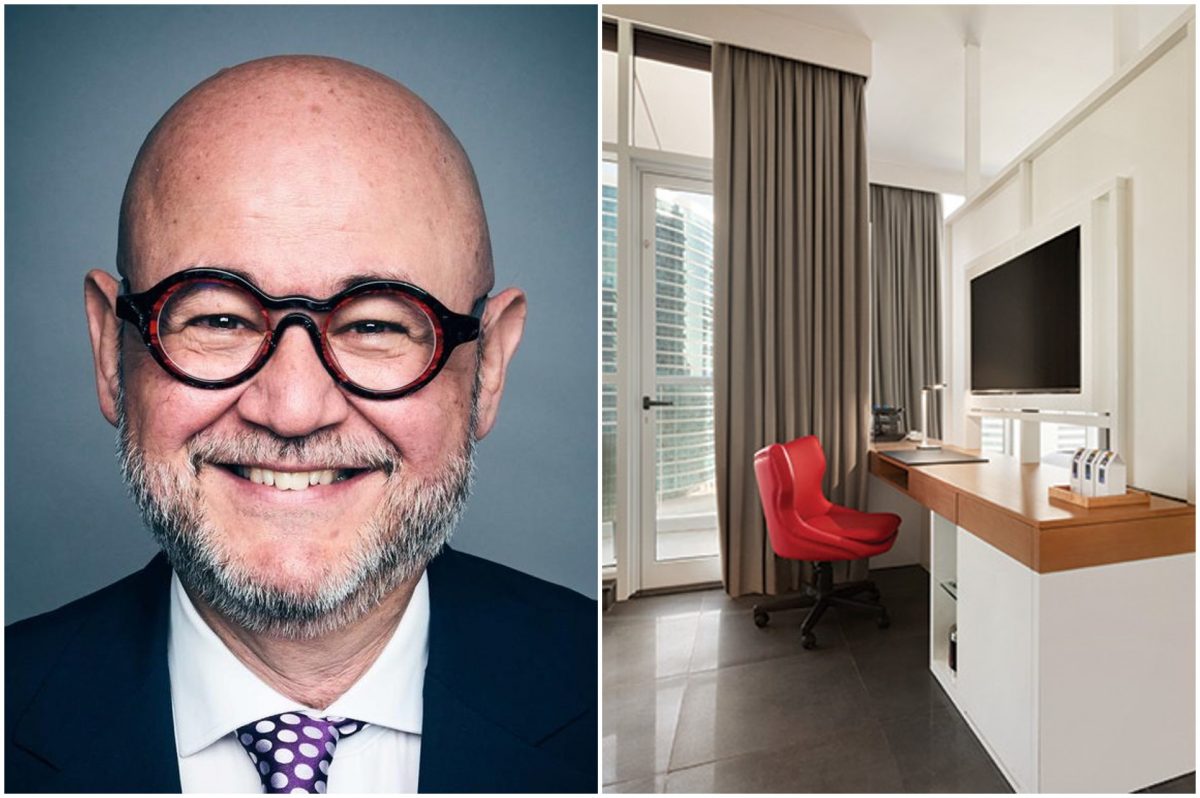
With the global pandemic still lingering, the trend of going on ‘workcations’ is more popular than ever. The idea of mixing business and pleasure with a long-term hotel stay isn’t going to stop anytime soon. One of the hottest travel trends today presents a massive money-making opportunity for the industry, according to the president for Wyndham Hotels and Resorts in EMEA.
Dimitris Manikis heads up Europe, the Middle East, Eurasia and Africa for Wyndham – a hospitality giant with an already strong foothold in the corporate segment of hospitality. Manikis spoke to Hotelier Middle East specifically on workcations and how to maximise spending and customer loyalty amongst the growing demographic of remote-workers.
He said: “Workcations are going to be a huge discussion very soon. It’s one of the key focuses for us right now. The whole idea of combining business and leisure is very important. The core of that concept and of that idea is about making hotels a part of the community.
“Community isn’t just about having a drink at the bar after work – it’s about working spaces and giving opportunities to people to work from a place that isn’t their bedroom.
“From a Wyndham perspective, we knew workcations were here to stay some time ago. It’s not static and it’s going to evolve tremendously over the next six to eight months. What we do, we offer the basics – a workstation, WiFi, coffee, but you also have to have a variety of services.
Manikis on working from Wyndham

With a groundswell of demand for remote-working spaces, Wyndham has been bolstering its services in the segment. Work From Wyndham is a set of packages specifically made for these remote workers. It includes the ‘Workday Getaway’ package which includes six hours of access to a guestroom for working; the ‘professional package’ which adds on a morning snack and lunch; and the ‘work stay and play’ package which provides special discounts when remote-workers stay for four nights or more.
These packages fall under Manikis’ vision to provide bespoke workcation packages rather than a “cookie-cutter approach.” He continued: “Work From Wyndham provides different packages and services for professionals depending on where they are and what they want to do. “Workcations are an extremely dynamic opportunity for hoteliers.”
Wyndham challenging the “cafe pattern”
For Manikis and his team, he’s challenging the notion that these professionals aren’t giving the hotel very much money. They might not be buying a three-course meal while they’re doing their work, but Manikis said the opportunities present themselves in the long term.
To him, the misconception that people only buy a cup of coffee and sandwich while working is the “café pattern” and something he disagrees with. He said: “That’s what I call the ‘café pattern’ when you go to a café for eight hours and you sit there, order one cup of coffee and nobody really makes any money. So what do hotels do to change that? When people use our hotels to work, we’re creating customers of the future. Somebody who is comfortable using your hotel to work – sure you won’t make much money from it right now – but you generate loyalty in that property.
“Next time he or she needs to book a conference room or needs to hold a big meeting with people, they’ll choose that same hotel to do it. It’s not about making money today, it’s about generating a loyal, repeating customer in the future.
“There’s a number of ways to maximise their spend. Friends and family is a big one, hotels must create an environment where professionals feel comfortable bringing their friends along while they work. You can generate packages that generate loyalty, for example, a loyalty club specifically for workcation people would be great.
“It’s a long-term play, that’s how we see it.”
A rise in remote-working visas
It isn’t just the pandemic that has fuelled remote-working, there’s now legislation backing it too. The United Arab Emirates has been ranked the number one country in the Arab world for remote working, a nation that has a range of visas designed specifically for remote working.
For example, the new ‘Green Visas’ will allow expatriates to apply for work without being sponsored by an employer, and include children up to the age of 25 on their permits. The government also said it will allow people who’ve lost their jobs to remain in the country for up to 180 days, a major boost as most visas are tied to employment contracts.
Manikis on the ‘tremendous opportunities’
For Manikis, visas such as these present a “tremendous opportunity” for hotels. He said: “hotels. Every time we talk about Dubai, it’s all about the holidays. That’s not the case anymore, it’s a financial hub now and the new visas attract a lot of new professionals.
“Workcations aren’t going anywhere, they’re here to stay. They provide additional privacy, hotels provide that very well. With all due respect to many of the café brands, the space is often quite limited. Sitting in the same chair at a café for hours can be uncomfortable both physically and in a claustrophobic sense.
“For the hotels, we have to adapt our offerings from just being accommodation to being a place for these remote-working professionals. Hotels have greater safety, greater comfort and they’re just nicer places to be.”