

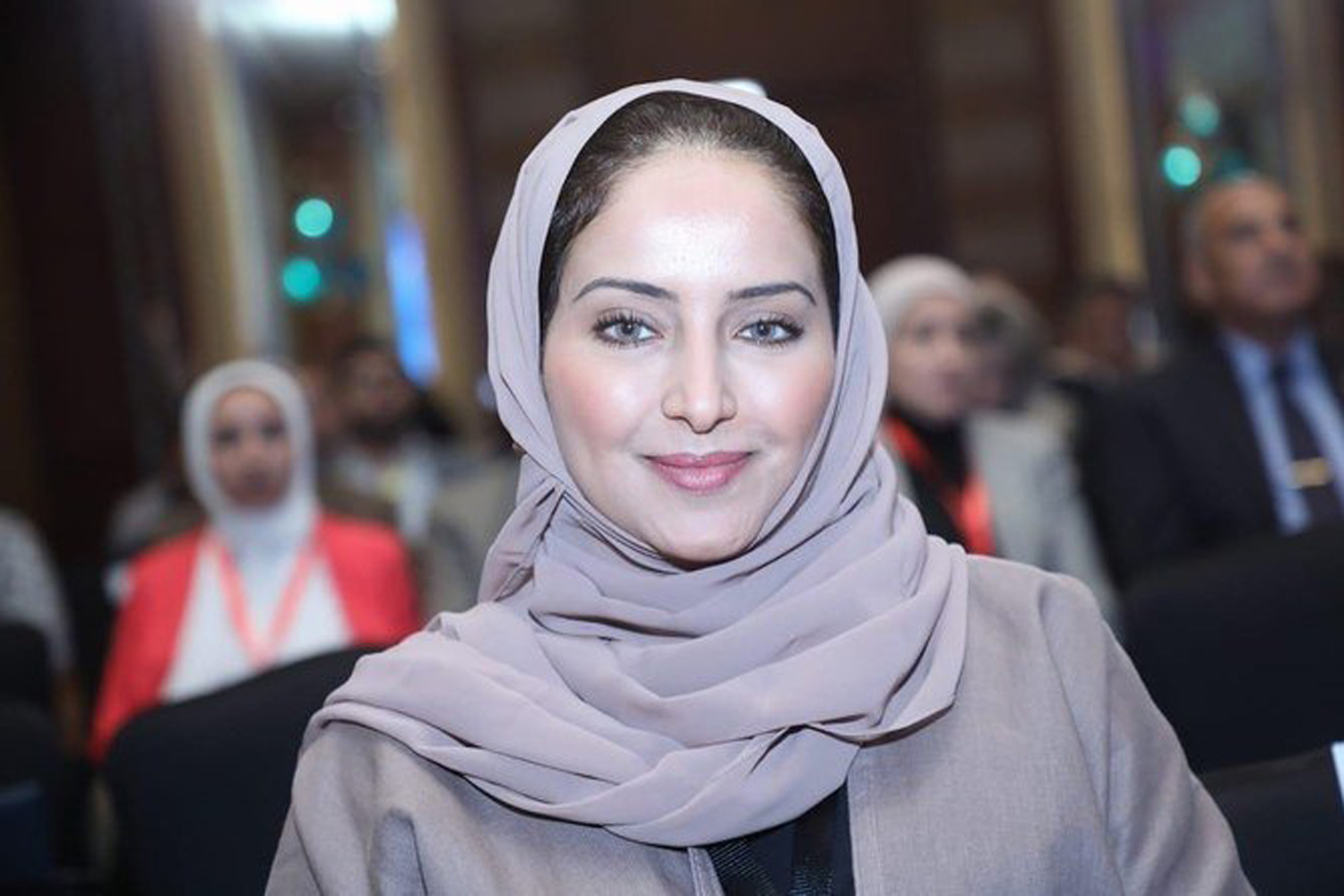
In celebration of International Women’s Day 2021 we spoke to Basmah Al-Mayman, regional director for the Middle East at the United Nations World Tourism Organization – UNWTO, about women in hospitality, from how it makes business sense to hire women to her advice on asking for a pay rise.
What would you say to companies to convince them that women’s economic equality is good for business?
Businesses and organisations with greater gender equality in their workforce and at the top management level enjoy a range of advantages. This is true both across the tourism sector and in every other sector. To begin with, they are better able to attract and retain female talent and to motivate their female workers.
At the same time, they are better placed to understand and respond to the needs of female customers and address complex problems by incorporating more diverse views. Several new studies confirm that companies with more women in top leadership and board positions enjoy higher financial returns.
Please share with us how employing women helps grow the economy.
A recent study by the World Bank estimates that achieving gender equality in economic opportunities could spur growth of $28 trillion in global GDP by 2025 – about the equivalent of the size of the Chinese and U.S. economies combined. When more women work, economies grow. Women’s economic empowerment boosts productivity, increases economic diversification and income equality in addition to other positive development outcomes.
Empowering women in the economy and closing gender gaps in the world of work are key to achieving the 2030 Agenda for Sustainable Development and achieving the Sustainable Development Goals. Particularly Goal 5, to achieve gender equality, and Goal 8, to promote full and productive employment and decent work for all; also Goal 1 on ending poverty, Goal 2 on food security, Goal 3 on ensuring health and Goal 10 on reducing inequalities.
In the case of the case of tourism, our sector is a proven and vital driver of the Agenda for Sustainable Agenda. Tourism, including hospitality, is also leading the way in creating opportunities for women at every level, providing not just accessible jobs but, through these, economic and social empowerment.
What advice do you have for women who want to ask for a better compensation package?
My advice before negotiating a better compensation package would be to get educated well in your field, to keep learning and reading. All this will help give you a stronger position when it comes to a workplace negotiation.
Know that it’s acceptable to ask. You may not feel comfortable asking for more money, but that doesn’t mean it’s not okay to ask. It’s better to ask the question than wonder if you could have negotiated a better offer. Be creative when negotiating; if the base salary isn’t negotiable, perhaps ask for bonuses, benefits, or a commitment for a future raise.
How does the loss of earnings affect women in comparison to men during their lifetime
Part of the reason for the gender pay gap is that women are more likely to take a break during their careers to have children or to seek lower paid positions that offer more flexibility to make it easier to manage a family.
Large gender gaps in unpaid work and care are a major driver of diminished economic opportunities for women. The household work and care responsibilities of women are reflected in a sizeable “motherhood pay penalty”. Around the world, mothers with dependent children earn, on average, less than women without dependent children, and less than fathers with similar household and employment circumstances.
Factors that are likely to impact the gender pay gap but are difficult to measure include unconscious bias and discrimination against women, including assumptions that women will leave the workforce to have children or that women with children should earn less than men.
Could you tell us how the picture for women differs across the Middle East?
Research done in Egypt, Jordan, Saudi Arabia and the United Arab Emirates found women working in tourism to be well educated and working in a wide range of occupational categories in Egypt, Jordan as well as in Saudi Arabia and the United Arab Emirates. This was the case for both nationals and foreign nationals.
In Egypt, for example, there is a relatively high percentage of women in managerial positions in tourism. Of 100 tourism companies surveyed, women made up almost 24 percent of middle managers and 15 percent of high-level managers. In Saudi Arabia and the United Arab Emirates, women were also found in top management positions.
Hotels and other accommodation providers (three-star hotels and above) were the main employers of women in Egypt and Jordan. Saudi women tend to dominate the food and beverage sector, where the majority of tourism jobs are. Similar to other world regions, working conditions in the tourism sector in the Middle East include long working hours, low pay and limited opportunities for career advancement. The research carried out in Saudi Arabia found long hours and low salaries to be a barrier to taking up employment in the hospitality sector.
Share with us a success story in the Middle East.
Since 2018, when Saudi women were able to become licensed tour guides, the Saudi Tour Guides Association has been committed to increasing their numbers and building their capacities in the profession. It partnered with the Princess Noura Bint Abdul Rahman University, the largest women’s university in the world, to support tour guides acquire essential language skills for the job. The Association is also looking to create links with regional and international networks of women tour guides to facilitate the sharing of experiences and knowledge.
Saudi Tour Guides Association values women’s greater involvement in decision-making. Three women have recently been elected to the board. This will help to ensure that discussions and decisions better reflect the priorities and issues of Saudi women tour guides and support their professional development needs and growth.