

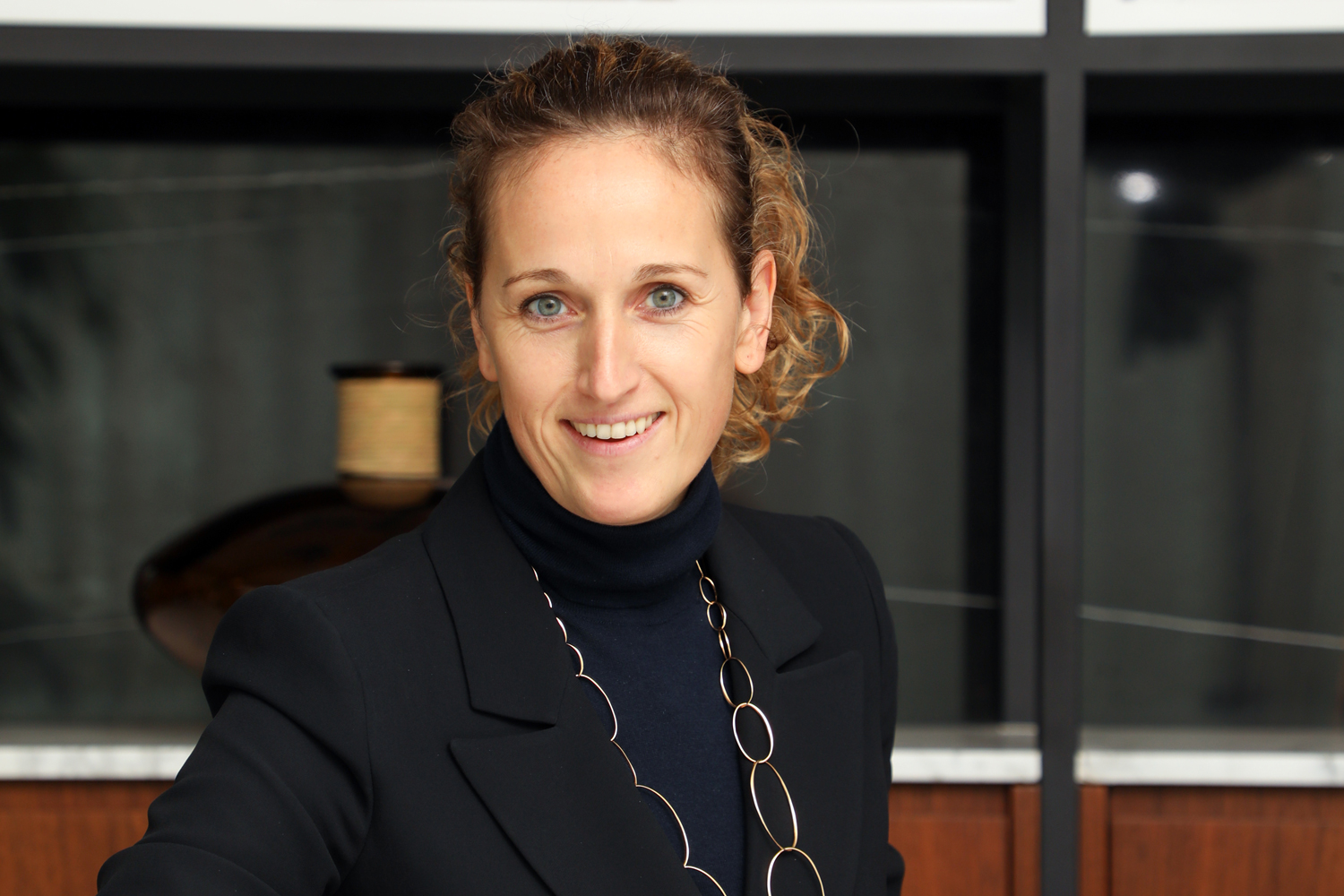
Kerten Hospitality has enjoyed rapid growth during its five years of operation.
With 4,000 keys, more than 30 projects and 11 owned brands in the portfolio, the mixed-use operator has taken on the competition and, in many cases, won.
According to CEO Marloes Knippenberg, the secret to success has been to never focus on competition at all.
She told Hotelier Middle East: “We’ve never created a very competitive environment. From the very start, brand collaboration was one of the pillars of Kerten Hospitality. For us, it helps that everybody else is getting into that same zone.”
Knippenberg was speaking before her appearance at the Future Hospitality Summit in a debate on disruptive and radical hotel groups.
“We’ve been labelled as the disruptors and the rebels when in fact we’ve never disrupted anything. All we’ve done is look at the emerging trends and ride that wave.
“It’s taken hoteliers a long time to see that competing for growth isn’t the only thing you should be worried about.“
As a mixed-use operator, Kerten brings together working spaces, F&B, short-stay and long-stay accommodation options all under one roof. Knippenberg explained: “When you combine both short and long-stay concepts, you have a bit of everything, and one target audience motivates the other to come in. That’s really what you do.
“From an owner’s perspective, the benefit is that you don’t build a standard hotel where you’re competing with everybody else on the street.”
After transforming Kerten from a single-property, single-country operator to a multi-brand trendsetter, Knippenberg revealed guest retention is key. “We look at each floor of the property as an opportunity to keep people staying as long as possible. What can be done to spur long-stay interest, or interest to live here, or to bring friends over, or to work here instead of an office? It is these sorts of questions Kerten focuses on, we’re less about competition and more on longevity.”
The Benefits of Mixed-Use
With the rise of working from home, even luxury hotel groups have capitalised on the serviced office concept. Additionally, hotels have seen opportunity in offering month-long stays with hefty discounts to bump up occupancy figures.
Knippenberg said, “From an owner’s perspective, mixed-use developments de-risk your asset because you’re not banking on either a short term or a long term component, you’re combining both.
“For Kerten, adding a working space is often a great method to bring in new guests or keep them in our properties. Because the moment you need to take a private call, or you have a meeting, you go to that working environment rather than an outside office space.
“These working components help to keep a hotel busy between 9am and 6pm, which is often a quiet period for any hotel. I believe in creating dedicated working spaces for this rather than just repurposing a lobby area. It creates a more sophisticated property that can provide a more rounded experience for long-stay guests.”
Long-stay and serviced residents prior to the pandemic often fell into the luxury segment, Kippenberg added. Though as the accommodation choice has soared in popularity this year, the sector has matured and diversified.
“Now what you are seeing is the introduction of midmarket and lifestyle serviced residences. For example, our new Cloud7 property is mid-market, could be three star could be four stars, depending on what the owner wants. I believe that people will start developing more of their assets around communities versus building what they want, and then hoping that somebody will come and stay.
“Apart from a midmarket segment, I also think serviced residences were lacking in services until very recently. You’re seeing more families and mature guests opting for serviced living now, bringing with them new requirements in services. This could be food options, laundry options, working spaces, a whole variety of things to create a more complete living experience.”
Nurturing the Owner-Operator Relationship
During the pandemic, the traditional owner-operator relationship has been scrutinised, with both sides claiming the other is inflexible and unsympathetic. Knippenberg says flexibility is paramount.
“When you are a public company, you have shareholders and you have to report back on growth and size It’s very different than when you’re a smaller company such as Kerten,” she says.
“It’s like any relationship. There are ups and downs, there are parts when you agree and some when you disagree. It’s a relationship that you have to nurture all the time. It’s super time consuming but at the same time, it’s so rewarding because by continuously discussing with owners, you both learn so much.”
While owners and operators separate their roles for good reason, the Kerten chief suggested listening to your owner could teach you something new.
“A lot of owners have a vision of what they want. Many of them know their market really well so we make sure to collaborate with them rather than disagree with them. When I sit down with owners, we take into account the competition, the supply and demand, property size, all sorts of factors, to consider what additional services can be added to a property to make it stand out and to keep guests in. It takes time, but it’s a hands-on approach which creates a property much more in tune with the current market.
“We saw an opportunity in the market and we jumped on that, but we’re not rigid, we’re always open to ideas and introducing new concepts. This is why we get on with owners so well, we are always moving.”
Looking Ahead
At the time of writing, Kerten hasn’t revealed any formal plans for the UAE, usually the go-to destination for businesses the Middle East. She did however say “The UAE is a market that we’ll start looking at in terms of branded residences, houses and creating compound living solutions. UAE projects will fall into the midmarket and comprise a working component also. They will also be in more suburban areas rather than city centres.”
Tight-lipped on projects going on in the emirates, Knippenberg was open to speaking about her relationship with Saudi Arabia.
“Our focus for several years now has been projects within Saudi Arabia. The Kingdom’s leisure tourism market is brand new at the moment and what this means is that it’s open to more modern hospitality concepts. KSA’s government is amazing in that it priorities a good standard of living for its people, meaning that our mixed-use developments have become very appealing.“
Knippenberg finished by praising her workforce, explaining how at its core, Kerten is a hospitality group founded on building relationships. The CEO said she created Kerten by travelling 250 days a year, always on the move and living out of her bag. Presumably, it was full to the brim with business cards she was handed along the way.

