

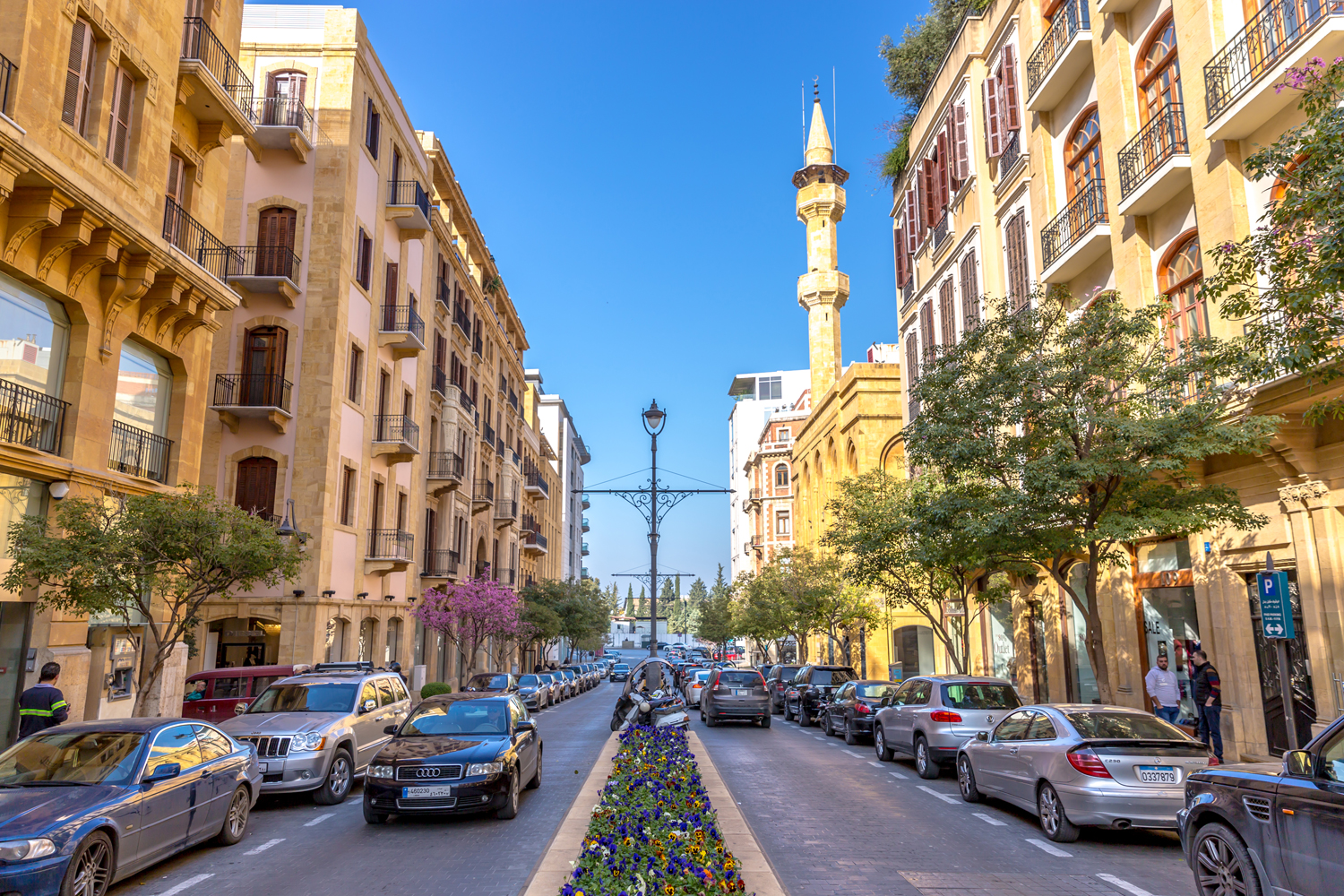
Affected by the pandemic, lockdowns, economic instability and the horrendous port blast in the capital, tourism spending in Lebanon last year was a shadow of its former self.
Tourist spending fell by 47 percent year-on-year in the first quarter of 2020, by 98 percent in the second quarter, by 78 percent in the third quarter, and by 33 percent in the fourth quarter of the year, according to figures cited by Arabian Business.
In addition, tourism receipts decreased by 67.8 percent to $1.3 billion in the first half of 2020, while outbound tourism spending declined by 60.6 billion to $1.1bn in the covered period.
Tourism receipts and outbound tourism spending both dropped to their lowest six-month level on record as net tourism receipts decreased by 83.4 percent to $216.4 million, also a record low.
Visitors from the UAE accounted for 15 percent of total tourist expenditures in 2020, followed by visitors from Saudi Arabia with 9 percent, Egypt with 8 percent; Syria with 7 percent; Kuwait and Qatar with 3 percent each.
Spending by visitors from Kuwait fell more last year by 88 percent while the total number of refund transactions by visitors dropped by 78 percent in 2020.
Gleaning over other metrics, the news isn’t much better for the country, which also saw hefty drops in passenger numbers last year.
At Beirut International Airport, the total number of passengers contracted by 71.7 percent to 2.45 million passengers in 2020 compared to 2019,
