

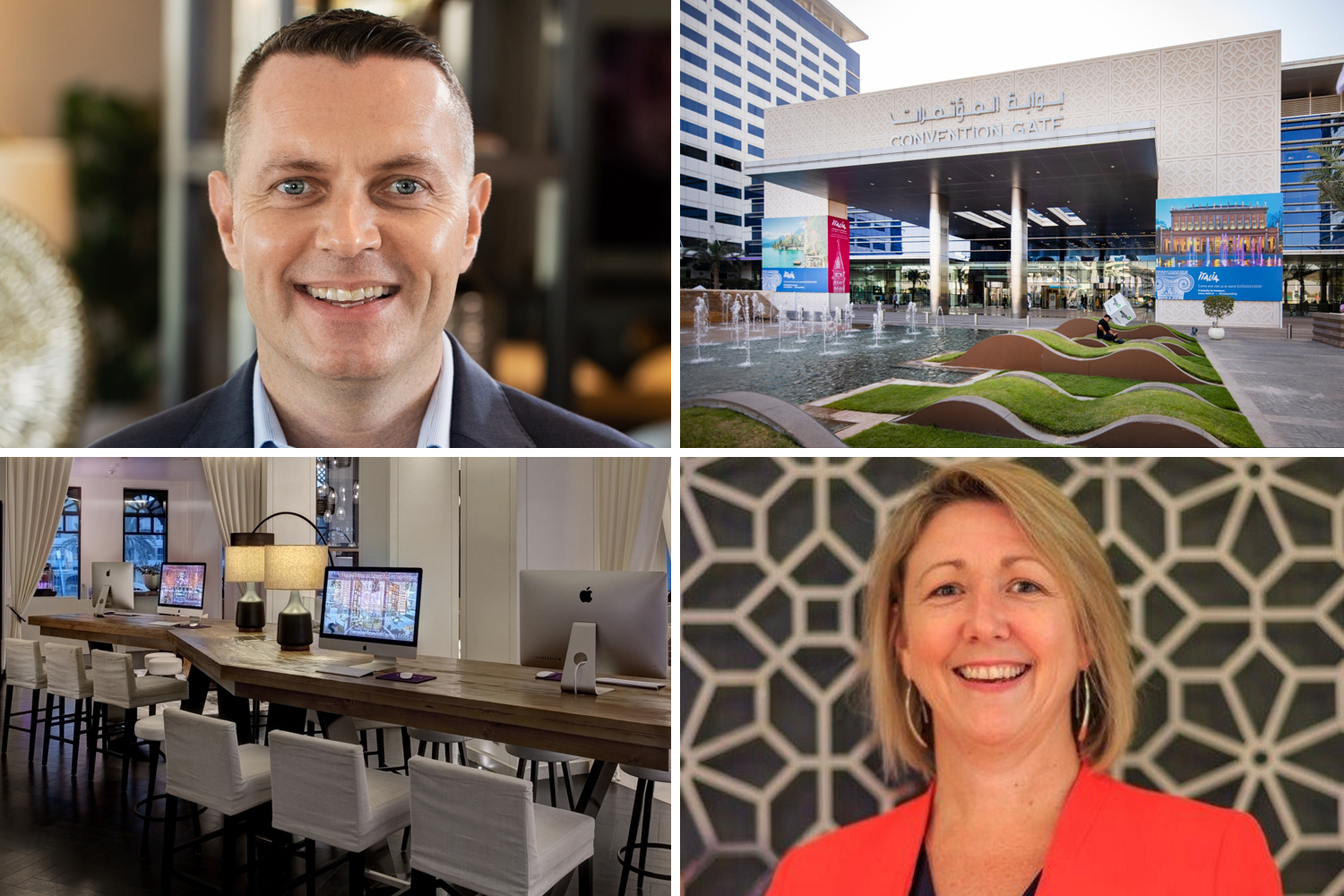
Hotels across the Middle East are preparing to capitalise on the pent-up demand for working holidays, fuelled mostly by government-mandated lockdowns across the world.
That is according to research conducted by Reed Travel Exhibitions, the organisers of Arabian Travel Market (ATM). Travel experts are expecting a surge in ‘workations’ this year, said the research, with demand from 2020 spilling over into this year.
Danielle Curtis, exhibition director ME, ATM, said: “The hotel industry in the Middle East has gradually started to recover, especially in places such as Dubai. Staycations created the initial demand after lockdown, the next step has been the continued growth of workations, which are also referred to as bleisure stays, which tend to bring in more visitors from overseas.
“Longer term, the ‘on the go’ executive will be a far more common sight in hotels, whether it’s Gen Z singletons, millennial professionals, or freelancers who can earn a living from a laptop.”
More than half the world’s working population is currently doing so from home, explained ATM, predicting that the mundanity around living and working in the same space will lead to a spike in hotel bookings this year as people look to escape their environment.
Furthermore, ATM said this trend will survive after the pandemic has been resolved, as working outside of offices becomes more favourable.
“And on that point, as an example, Dubai has introduced a remote visa programme that would entitle visitors to stay for up to 12 months, with access to co-working spaces and government support services,” said Curtis.
To accommodate the needs of the ‘new normal’ smart working traveller even further, an increasing number of hotels in the MENA region are offering pop-up co-working spaces with the aim of rethinking and making the most of the hotel space, which is no longer considered just as a place to stay, instead, it becomes a potential work environment.
“Covid-19 has completely disrupted the traditional office culture and the hospitality sector has been quick to offer alternative solutions for those looking to combine working from home with leisure time. The introduction of the workation concept is not just a novel idea, it’s about making adjustments to meet the new market demands, allowing those who are not currently working from their office to enjoy a luxury hospitality experience whilst continuing their work commitments,” said Mark Kirby, COO of Emaar Hospitality.
“Depending on the effectiveness of the vaccines being rolled out, as well as travel and other social restrictions, this demand could broaden to include families. If children are being home-schooled it would make little difference if they were at home or on a workation with their parents. Indeed, time away from long cold winter nights in northern Europe, would undoubtedly improve a family’s state of mind,” added Curtis.
At the time of writing, hospitality and travel experts are struggling to agree on what the future of business travel looks like. Hilton Hotels unveiled its EventReady Hybrid Solutions this month, offering a physical and digital solution for the event sector.
Hotelier Awards 2020 judge and former exhibition manager for Arabian Travel Market Nadege Noblet, agrees with Hilton that the future is hybrid.
She said: “Time will tell but it seems that the there’s been such take to the virtual events yet you can see the demand as well for the face-to-face. So it could be a balance between virtual and face to face.”
Meanwhile, Ralph Hollister at GlobalData offered a less optimistic prediction for the sector, saying it may stay digitally-focused.
He said: “MICE events are now taking place online, without the need for companies operating in the tourism sector. This is a worrying trend for all industries involved in travel and tourism, the longer restrictions and guidelines last around MICE tourism, while other national economies start to pick up, the more companies, attendees and event organisers may start to become accustomed to hosting and attending MICE events online, whilst appreciating the unseen benefits they bring.”