

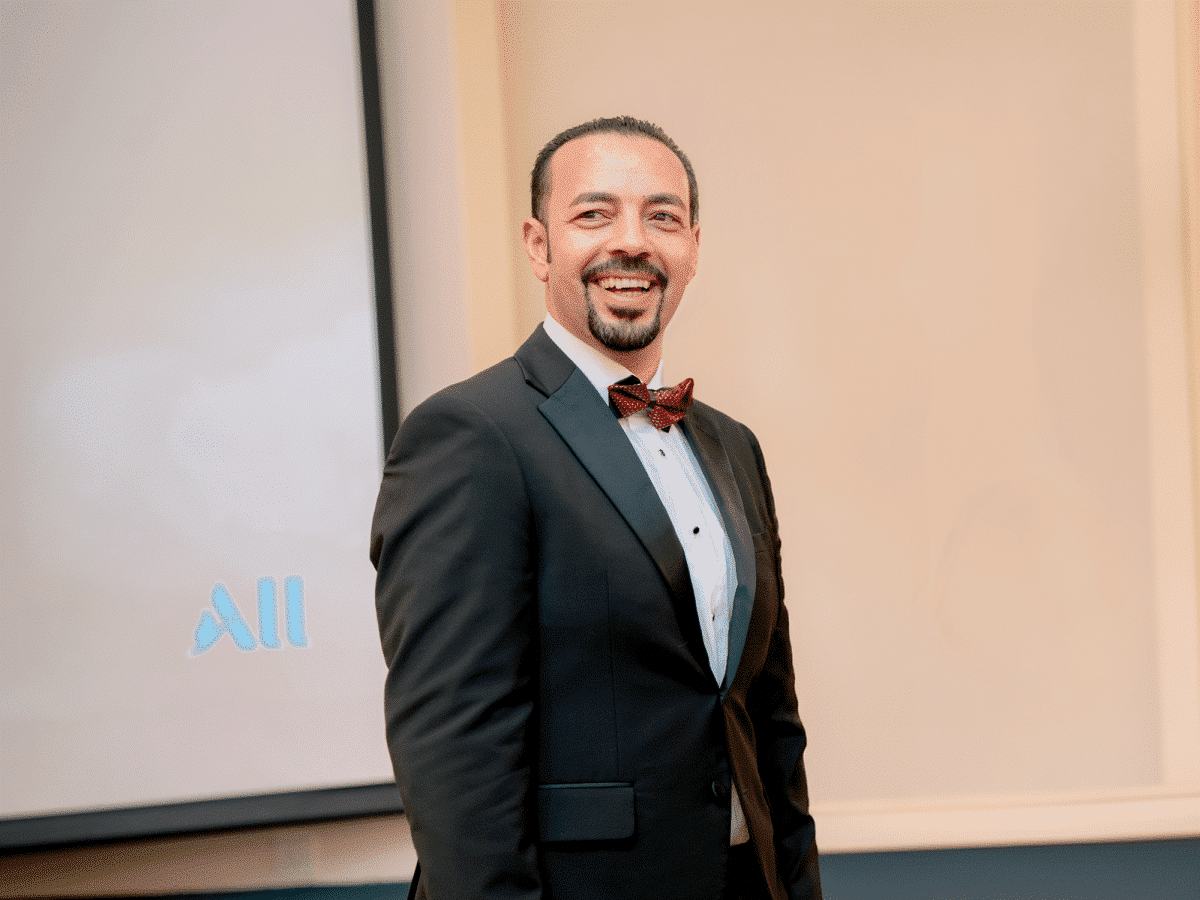
Accor recently brought its Mercure brand to Muscat for the first time, with Ismail Ibrahim as general manager.
Ibrahim’s career has seen him take on leadership roles in establishments across Oman, the UAE, and Egypt for the likes of Hilton, Marriott, Sheraton, IHG, Mövenpick and Wyndham.
Now at Mercure Muscat, we caught up with Ibrahim to find out more about his brand strategies for establishing the hotel in the new region, collaborating with the local culture and building a strong, happy team.
Establishing brand awareness in a new market
Launching a hotel in a new region comes with many challenges and opportunities. Particularly in Muscat’s increasingly competitive market with a growing reputation as a luxury destination, the hotel has the task of making a name for itself.
As Muscat attracts leisure, business and cultural tourism, catering to a diverse demographic while maintaining the brand’s standards can be a challenge. To cater to this diversity, Ibrahim explains how the hotel has designed its facilities and services to be versatile.
“For business travellers, we offer state-of-the-art meeting rooms and business facilities, while our leisure guests can indulge in our spa, pool, and curated local tours. Our ballroom and event spaces will appeal to those interested in hosting cultural or social events. Throughout all these offerings, we remain committed to Mercure’s brand standards of comfort, service, and delivering an experience that reflects the local environment,” shares Ibrahim.
The hotel is also focusing on a comprehensive marketing strategy tailored to the needs and preference of the Muscat market, whilst highlighting its offerings and cohesion with local culture. Ibrahim explains that to establish Mercure Muscat’s brand identity, the targeted marketing campaigns will utilise various channels, from digital marketing to publication relations and traditional advertising.
Ibrahim shares: “We will leverage Accor’s global reputation to reassure guests of our quality and service standards. We will focus on building strong local partnerships and creating unique guest experiences that highlight Omani culture. We believe that integrating local elements into our operations – from F&B offerings to cultural activities – will help create a lasting impression, making Mercure Muscat synonymous with both comfort and authenticity.”
Ibrahim believes it’s important to stay true to the roots, when opening a hotel in a new region. As guests visit a place like Muscat for luxury and authentic culture, he explains how the best practice is to provide all the modern conveniences guests would expect, but to not lose sight of what makes Oman special.

Immersion into local Omani culture
Mercure believes that the best guest experiences are rooted in authenticity. Known for taking inspiration from the local culture, Mercure is incorporating Oman’s rich heritage into every aspect of the hotel, such as the design that echoes traditional Omani architecture. Ibrahim shares how Mercure Muscat’s approach is highlighting a blend of modern amenities with local charm.
“While many hotels cater to luxury, we aim to offer our guests a culturally immersive experience. As the only Mercure hotel worldwide to feature décor calligraphy in all guest rooms and graffiti on its exterior reflecting Omani artistry Mercure Muscat stands out as a truly exceptional destination for travellers seeking rich cultural experiences with a blend of modern amenities. By striking a balance between comfort and cultural discovery, we believe Mercure Muscat will attract both luxury travellers and those looking for something more meaningful in their stay,” says Ibrahim.
The immersion into the local culture doesn’t end there. Forming partnerships with local businesses, artisans and tour operators is a key component of the hotel’s strategy, Ibrahim tells us. Collaborating with local tour operators helps to offer curated, cultural experiences that guests might not be able to find elsewhere. Working with local artisans and businesses, the hotel is able to provide guests with unique Omani products in the gift shops and local flavours in its F&B venues. Additionally, sourcing locally helps to reduce the hotels carbon footprint, aligning with Accor’s global commitment to responsible tourism.
Ibrahim adds: “Our opening ceremony was held under the patronage of His Excellency Azzan bin Qassim Al Busaidi, Undersecretary of the Ministry of Heritage and Tourism for Tourism, further highlighting our commitment to fostering strong relationships within the local community. Partnering with local attractions, such as historical sites, museums, and adventure activities, can provide guests with opportunities to explore the region and learn more about Omani culture.

A diverse, happy team translates to a better guest experience
When it comes to building a new team, Mercure Muscat draws expertise from diverse perspectives from both local and international talent. The hotel implements thorough onboarding and training for all team members, to ensure they understand the brand values and service expectations.
“We are committed to supporting the vision of Omanisation, actively focusing on hiring and training Omani nationals to be a part of our workforce. By offering comprehensive training programs, we aim to equip local talent with the skills and knowledge needed to excel in the hospitality industry. By combining local knowledge with global best practices, we strive to deliver high standards and an exceptional guest experience from the very beginning,” says Ibrahim.
Building a strong team culture is important to Ibrahim. He believes it begins with clear communication, respect, and a shared vision, and recognises that a positive, supportive team culture is crucial, because it translates directly into the guest experience.
“From day one, I want my team to feel like they’re part of something bigger – not just running a hotel but creating memorable experiences for our guests. I encourage open dialogue, celebrate successes, and continuously invest in training to ensure every team member feels valued and equipped to deliver the best service possible,” Ibrahim shares.
“Additionally, work-life balance is very important. With less stress, the job will be done better,” he concludes.