

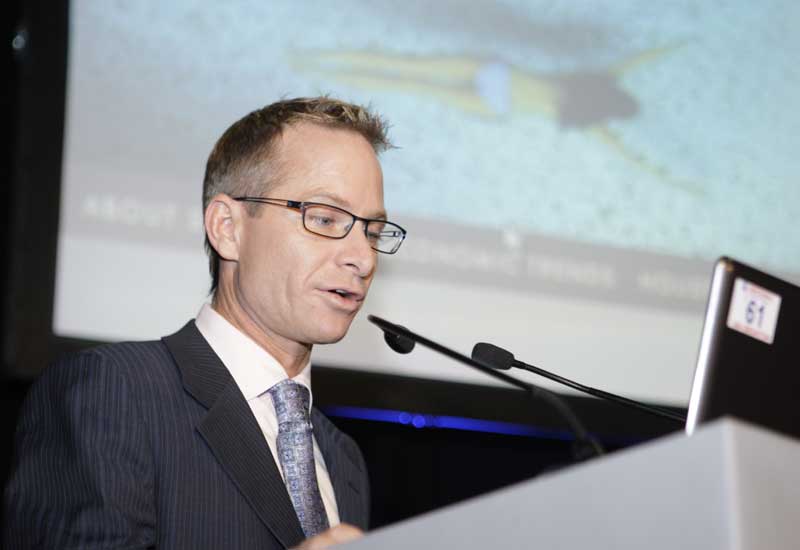
Hotels with a serious spa offering are the best placed to capitalise the market and may even prove to be a boom industry, an expert has said.
Speaking at the Middle East Spa Summit, Gerald Huber, regional director of Schletterer Wellness and Spa Design said that demand for health was in keeping with Kondratieff economic cycles and that destination spas could see an increase in profits.
“There is a new demand for a health holiday. In a crisis, health is the most crucial asset that people have,” he said.
Huber said that during an economic downturn, hotels with ‘serious’ spa provision were likely to see only a 3-5% decline in revenue, whereas destination spas could even see a profit. He cited the growth of what he termed LOHAS (people with a lifestyle of health and sustainability) as driving growth in the wellness sector.
“Medical and destination spas can be highly profitable,” said Huber. “They only make up 8.1% of the total number of spas worldwide but generate around 23.1% of all spa revenue.”
He said that spas should offer holistic health packages in order to create the maximum benefit. “A holistic spa has treatments from the tips of the toes to the top of the head, and from inside out,” said Huber, saying that spas should work on both outward physical health and internal mental health.
Huber also highlighted the importance of including a spa in a hotel project as an investment. “Your typical spa investment should be between €2000-3000 ($2800-4200) per square metre. A spa acts as a motor for a larger project, driving up occupancy rates and other revenue such as F&B spend,” he said. “You can expect a return on investment of around 25%, so you should have a payback period of about four years.”