

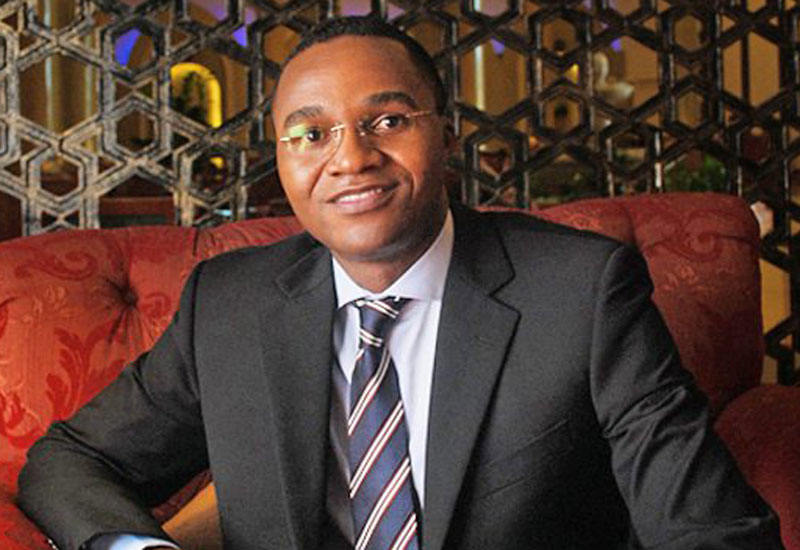
What is your career background?
I studied hospitality at the University of Zimbabwe. After graduating, I joined the North Island Seychelles as a butler, which was a five-star retreat resort. I was there for a year, and then joined Constance Hotels & Resorts continuing as a butler. A year later, I was promoted to villa manager in charge of all of the butlers in the same property. Thereafter, I changed from the villas to be in charge of operations and was responsible for process improvements, standards and procedures, as well as doing quality audits.Three years later, I left the Seychelles to join Kempinski as a training co-ordinator in Tanzania in the Serengeti. After that, I was transferred to Kempinski Hotel Ajman as a training manager. After 21 months, I became an assistant HR manager, and nine months later, I became the HR manager. Another year later, I became the director of HR, which is the position I currently hold.
What are your responsibilities at the hotel?
The key responsibility as a director of human resources is to focus on the bigger picture, ensuring that as a hotel, we attract the right people at the right time for the right position. Together with the department heads, we ensure that all employees are given the best opportunities to realise their full potential in an excited and totally committed way.
How do you motivate staff that are demotivated?
I believe that the hotel’s purpose has to be clear for each and every employee. Why do we exist and why are we here as a company? It is also crucial that the hotelier knows that they are being recognised. With that, self-motivation follows.
How does the hiring process function at the hotel; have you implemented any changes?
HR is actually just the facilitator. Heads of departments play a key role and are also in charge of sourcing the talents in co-operation with HR. We make changes as much as Kempinski standards and procedures allow us, but we are always trying to get the best talent that is available.
What are the challenges you face in your vertical?
There are a few challenges, for example, when two people are hired at the same time, they expect to get promoted simultaneously, not considering that their performances tend to vary vastly. The new generation of millennials tend to be quite impatient; they want things to happen sooner than the process demands.
What are some of the trends you have observed in the hospitality industry?
I believe that guests are becoming more demanding, as they have information at their hands that’s accessible everywhere at any time from social media. Guests have the power; it’s easy for them to make choices to go to other places, and the same goes with hoteliers. Staff have plenty of options, as they are well informed and the information is easy to find. Employers can’t fool staff, nor can they fool guests. One has to be ‘real’ with them, and whatever promises are made must be delivered.
What are some of your personal achievements?
My time in the Seychelles when I was a villa manager: It was a big responsibility to look after returning prominent people. It wasn’t easy and quite demanding at all times. But, once you have done that, it is actually very satisfying. I have to highlight my time in Ajman and looking after our talent here. We don’t serve it to anyone on a silver platter, but when you are part of a hotel team that creates an environment that makes people happy, it is very satisfying. It’s all about people.
Five tips to guarantee a motivated workforce:
1. Set staff clear and realistic goals which keeps them engaged and excited.
2. Show them full appreciation and recognition for the discretionary effort and results they achieve.
3. Show keen interest in their professional and personal development by giving them feedback, and coaching and mentoring them.
4. Treat them with respect, fair and as unique individuals with unique capabilities.
5. Offer clear career path and support their overall growth.


