

Vocational training develops skills vital to the continued growth of the hospitality industry, says City & Guilds Group sales and business development manager, Middle East Matt Clarke.
City & Guilds focuses on vocational training. What are the benefits of such training to the hotel industry?
The Middle East needs to invest in vocational training and focus on equipping employees with the right skills to sustain and grow the economy. The Gulf countries rely heavily on an expatriate workforce and when people leave, the skills leave with them.
In schools and colleges there is a cultural bias towards academic learning, however, degrees don’t always equate to jobs — skills do that. Vocational training and academic learning need to be integrated to ensure the workforce of the future has the right competences.
Employers in the Gulf need to do more for the staff development of their entire workforce. Vocational skills and training are key to the safety and well being of guests. Ultimately, they are vital for competing on a global scale and they are key for the longevity of businesses.
What would it cost a hotel to put a staff member through vocational training with City & Guilds?
Surprisingly very little; a hotel chain could become accredited to deliver internationally recognised City & Guilds qualifications for as little as £600 (US $954) with certification fees ranging from between £20 – £75 ($31.8 – $119).
The main investment by a hotel would be time and commitment, however, as City & Guilds qualifications are geared to the workplace, it is possible for employees to work and train at the same time.
You have experienced resistance from hotels to investing in vocational training. Why do you think this is?
One thing I have learnt since coming to the Gulf is that things are always the biggest and the best in the beginning and initial investment can be huge, however, when it comes to forward planning and the ongoing maintenance of facilities and the development of the workforce, budgets are not always available.
Hotel profit and the bottom line are always seen as the top priority with staff training always being the first thing to be cut.
Expatriate workforces are employed with the belief that they have the right skills, however, to compete in an international market, it will be the staff who will be responsible for increasing the customers spend and their loyalty.
A small investment in skills training could be repaid many times over by satisfied and spending customers.
Where in the GCC have you found hoteliers to be most responsive to offering vocational courses?
Oman — we have had a presence there for many years. Within the UK we work with all of the major hotel groups. Within the Gulf things are very different and attitudes towards investment in training are very different.
Having spoken with the Emirates Culinary Guild and member hoteliers, there is a lot of interest from chefs in developing their workforce, however, it is buy-in from senior HR managers that is key to uptake as they hold the purse strings. We are starting to see more enquiries from hoteliers in the UAE and Bahrain but it’s a slow process.
You also offer leadership and management courses. What is the interest in these like?
There has been a big interest in the ILM Leadership and Management courses across the Gulf. Government funding is geared towards the training of nationals, with management training a focus.
Within the food, retail and hospitality sectors we are working with major companies such as Panda, Emirates Airline, Bahrain Duty Free and Emaar.
What in your view are the gaps in training in the GCC hospitality sector?
There are many gaps in this sector. Hospitality and tourism are the biggest industries across the GCC alongside oil and gas. This sector employs a huge work force yet when it comes to training, there are only a handful of accredited training providers.
The hospitality industry relies on an expatriate workforce yet with a change in attitudes, training and investment, this industry could go someway to supporting countries’ nationalisation targets.
Staff turnover is high within this industry and there is a distinct lack of focus for developing career paths. Training initiatives linked to staff development and pay could improve productivity, morale and the loyalty of the employee, as well as bettering their skills, which is a win-win scenario for the sector.
Why do think managers worry that ‘if we train them, they’ll leave’? What are your views on this?
I always say when I am told this ‘what happens if they stay?’. People leave jobs for a variety of reasons; within the Gulf I am told it is generally money. Within a workforce where pay is relatively low and benefits scarce, money will become a key motivator to leave.
However, where a company can demonstrate commitment to its workers and invest in their career development through training, the loyalty of the employee is likely to increase. By establishing a grading system linked to performance and attainment it will encourage people to commit for the long term.
People will always leave but if enough companies within the sector train, then the pool of workers available will have better skills, which will ultimately benefit everyone in the long run.
Has City & Guilds introduced new courses for the hospitality sector recently and if so what are they?
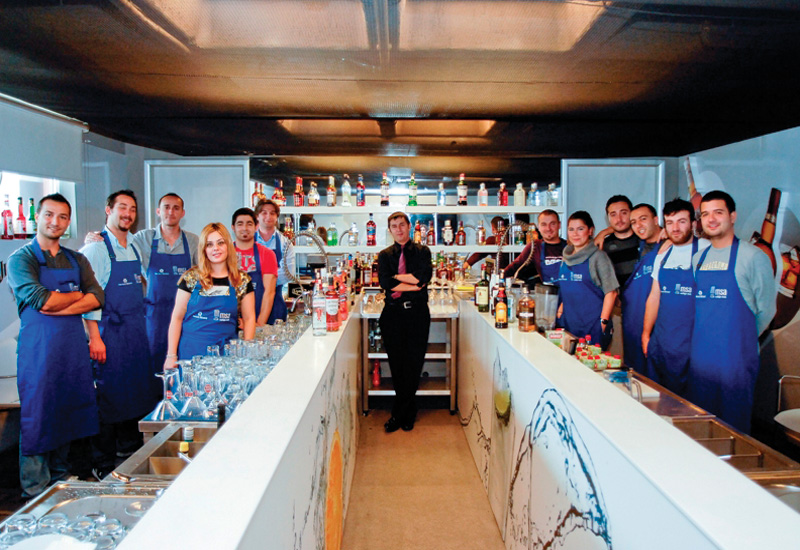
The Award in Professional Bartending is the most recent qualification being offered internationally. MSA Culinary Arts Academy www.msa.tc is our first accredited international training centre delivering this in Istanbul, Turkey.
What is City & Guilds focus in 2011 when it comes to the hospitality sector?
Globally one of City & Guilds key focus areas is hospitality. Based on recently commissioned research, we are developing our qualification portfolio to meet evolving market requirements.
We are also investing in the development of training materials. When it comes to the Gulf, I would welcome the chance to speak with companies interested in training and advocates who could assist in raising awareness of the benefits of vocational training.