


Saudi Arabia will add 320,000 new hotel rooms by 2030 if the country’s tourism plans progress as planned.
In a recent interview, Ahmed Al-Khateeb, the Minister of Tourism, emphasised the significant growth witnessed in the sector, citing the Kingdom’s 106 million domestic and international tourists by the end of 2023. This achievement not only positions the Kingdom well on track to achieving its ambitious tourism targets but also underscores the substantial contribution of the tourism and hospitality sector, which currently contributes nearly six percent to the Kingdom’s GDP.
The Kingdom’s hospitality landscape expects to expand the luxury, upper upscale, and upscale categories, which currently account for 66 percent of the existing hotel supply, to 72 percent of the market share by 2030. This translates to approximately 251,500 hotel rooms.

Property consultancy Knight Frank released the latest data. Turab Saleem, Partner and Head of Hospitality, Tourism & Leisure Advisory, MEA, said: “With a target of welcoming 150 million visitors by 2030, a 50 percent increase from its previous goal, the government is actively exploring various strategies to attract international travellers.”
According to Rajhi Capital, the upcoming 2030 World Expo is expected to inject a substantial economic boost into the nation’s capital, with an estimated 40 million visitors expected during the six-month exhibition.
Saudi Arabia’s investments, expansion and accommodation strategies
Daniel Pugh, Knight Franks’s partner and head of hospitality valuation & advisory, MENA, added: “To realise 320,000 hotel rooms, approximately US$104 billion will be required, in construction costs alone, with the Holy Cities requiring US$70 billion alone to develop the expected 221,000 hotel rooms.”
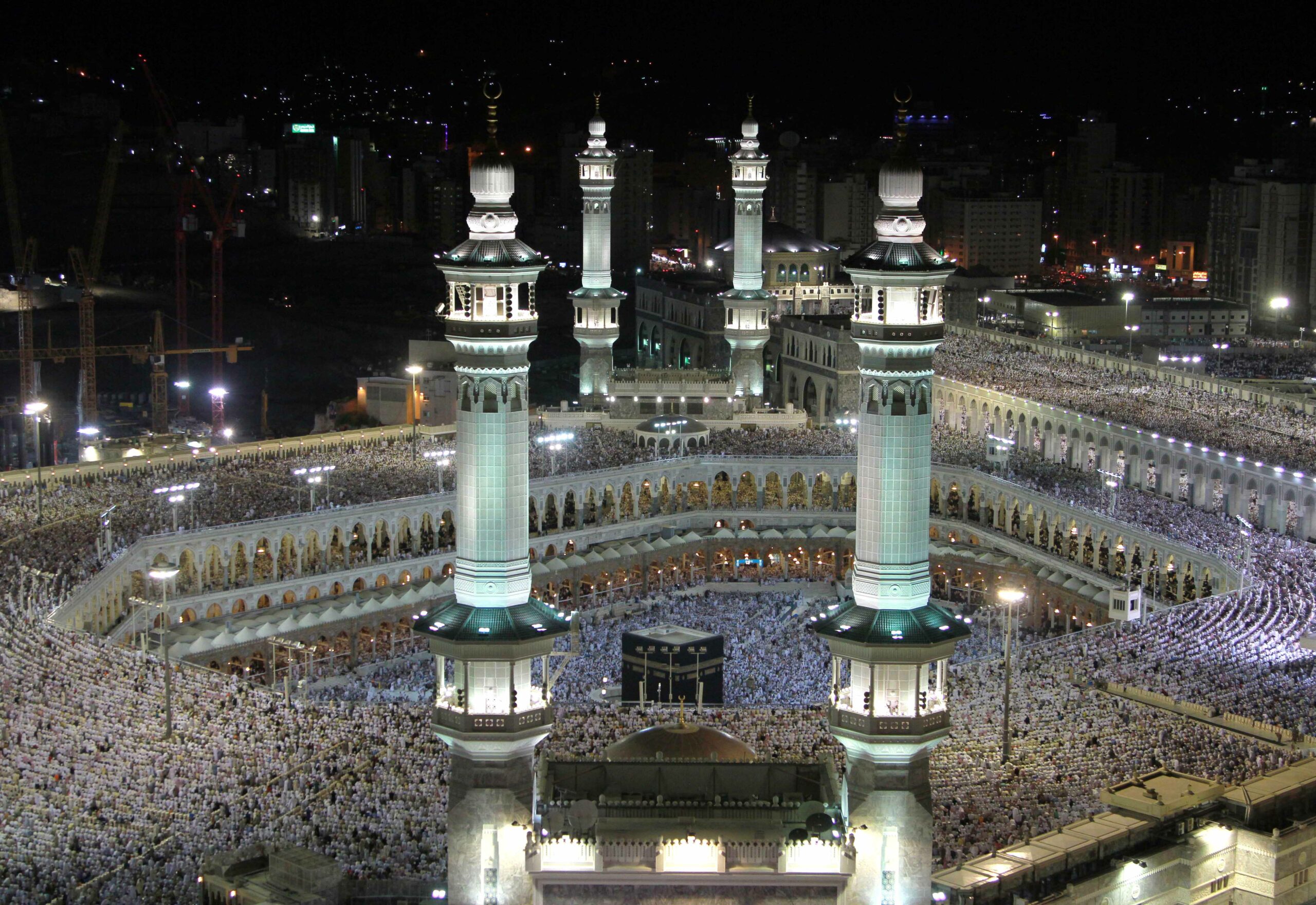
As the government projects an increase in religious tourist numbers from 30 million to 50 million by 2030, substantial development efforts are underway to cater to this demand.
According to Knight Frank, 67 percent of Saudi Arabia’s planned hotel rooms will be upscale or luxury, requiring 1-2 staff per room. This suggests a need for accommodation for between 232,000 and 387,000 key workers.
Faisal Durrani, Partner – Head of Research, MENA, stressed the importance of providing such accommodation, citing its role in addressing staffing challenges and creating valuable assets. In the GCC, key worker accommodation can yield returns of up to 10 percent.
The analysis further revealed that Marriott will likely become the largest hotel operator in the kingdom by 2030, boasting around 26,200 hotel keys, followed by Accor with an estimated 25,400 keys.