The UAE’s northern emirate of Ras Al Khaimah is predicted to enjoy hotel occupancy rates higher than both Abu Dhabi and Dubai this year. Abu Dhabi and Dubai have long dominated the country’s hospitality market, though new introductions in RAK, as well as country-wide tourism campaigns, have started to shift the market.
Ras Al Khamiah’s city hotels this year are projected to have 70 percent full-year occupancy, according to Colliers International’s MENA Hotel Forecasts report in December 2020. It is also the only area in the region which is forecast to have the same full-year occupancy as it did in 2020.
RAK’s beach areas are forecast to hit 61 percent occupancy in 2021.
By contrast, Dubai’s Creek and Festival City areas will have 66 percent full-year occupancy, according to Colliers. Sheikh Zayed Road and DIFC hotels will have 65 percent, as will the Palm Jumeirah Area. Dubai Marina and JBR is thought to inch ahead slightly this year with 67 percent occupancy in its hotels. Abu Dhabi’s beach hotels are on track for 56 percent occupancy, as stated in Colliers’ forecast.
Colliers explained: “Markets in the region eased restrictions and evaluated the efficacy of travel corridors resulting in the initial signs of recovery we saw at the close of 2020. Dubai in particular benefitted from the UK travel corridor over the festive period; however, this has since been removed.
“There is still uncertainty concerning the evolving landscape abroad when evaluating the long-term recovery of the market. A lack of clarity on when travel restrictions are applied due to COVID-19 cases makes it more difficult to plan for international travel. The introduction of “vaccine passports” is expected to ease travel planning for international tourists until then the focus for hotels remains on capitalizing on the more accessible domestic market (families and solo travellers).”
The northern emirate’s hospitality sector was supported massively by its official authorities last year, with the Ras Al Khaimah Tourism Development Authority (RAKTDA) introducing various headliner campaigns throughout the difficult year.
In January 2021, RAKTDA introduced another campaign – the Funderful programme – to continue the emirate’s hot streak into the New Year.
RAKTDA CEO Raki Phillips told Hotelier Middle East that this year’s campaign hoped to build on the success of 2020. “In 2021, we want to build on this achievement, and through the Funderful campaign, we are once again inviting domestic travellers as well as international visitors to delve into Ras Al Khaimah’s rich variety of offerings, while giving them the chance to win a series of exciting prizes.”
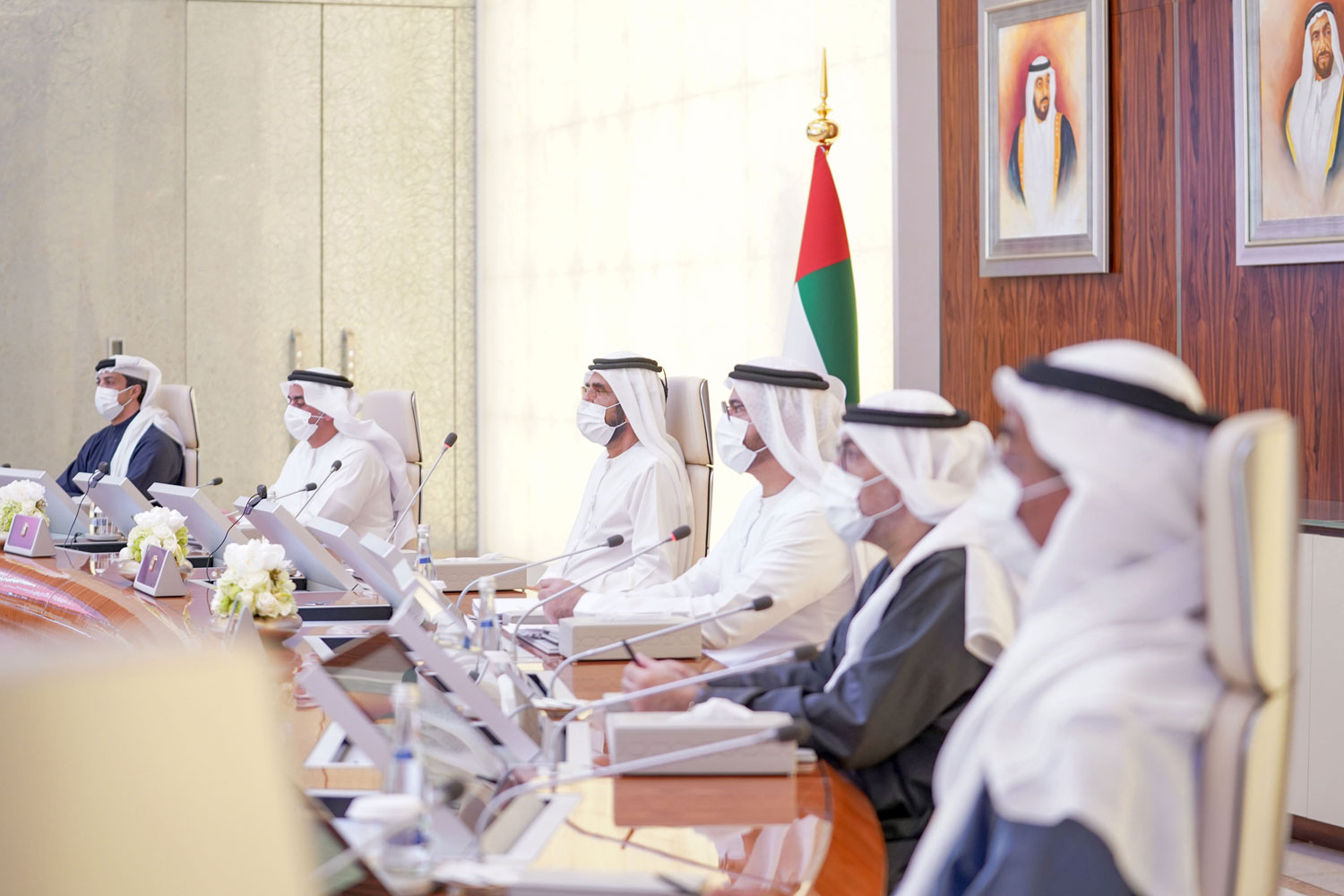
On an even wider scale, the UAE Cabinet has approved the formation of an Emirates Tourism Council earlier this week to spearhead new tourism policies and legislation.