Movenpick Hotels & Resorts has unveiled what it claims is a first for Dubai – a pre-paid all-inclusive offering at one of its forthcoming properties on The Palm Jumeirah.
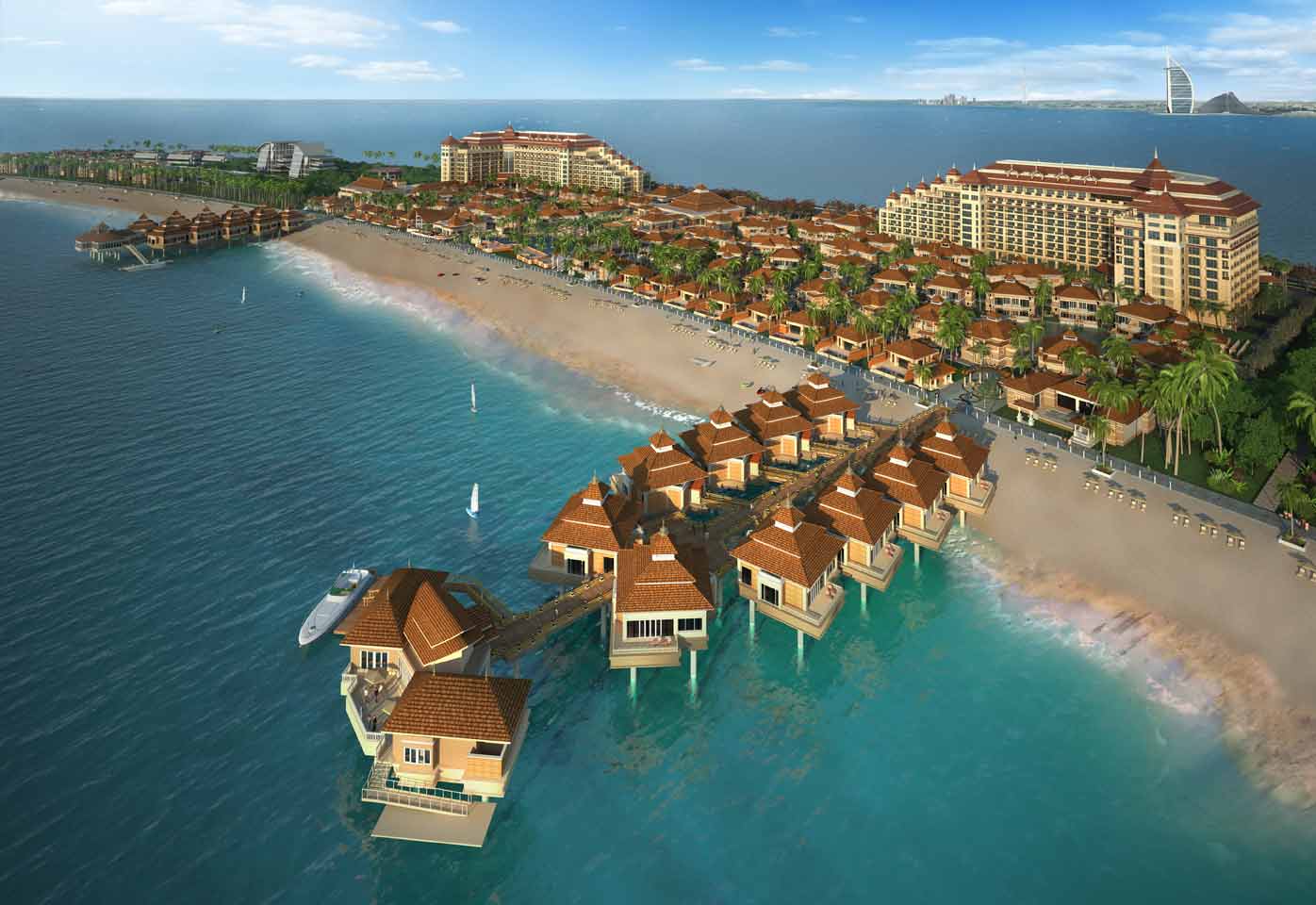
The group’s top-end 293-room Royal Amwaj property, which will also be the first hotel in Dubai to boast over-water villas, will debut this all-inclusive concept, with Movenpick already promoting the idea to the European travel trade at this week’s World Travel Market (WTM).
“All F&B and dining is covered – it’s going to be a market first,” boasted the hotel chain’s new business development director, Guy Epsom.
“We are already talking to some of our partners about it.”
Epsom revealed that the concept would be referred to as ‘Club Amwaj’ involving a three-tier package that would not only give guests staying at Royal Amwaj free food and drinks at all six outlets on site, but also at the 30-plus outlets across Movenpick’s Dubai portfolio – the firm is opening four new properties in the emirate next year.
When asked if he was worried about what impact this would have on the brand as there was a perception in some markets that all-inclusive offers were down market, Epsom promised that it would not be “naf”.
“It won’t be naf because it’s a five-star deluxe hotel and we want to introduce a hassle-free concept into a market that actually needs to be innovative and needs to address the challenge of exchanged rates and F&B prices in Dubai,” he said.
“In other words, you can get a good deal.”
He said Dubai desperately needed concepts such as these because even in the summer when room rates were relatively low, F&B was still deemed expensive.
Epsom acknowledged that it was difficult for existing hotels to offer an all-inclusive concept because their budgets were already set, but claimed it was easier to introduce it at a new property where operations and costings would based on the all-inclusive offer would be built into the business model.
“The secret is to get it right and it will make money,” he said.
Movenpick will initially pitch the all-inclusive offer to key source markets in the UK and Europe, but Epsom said he thought it would work “very well” in the GCC market.