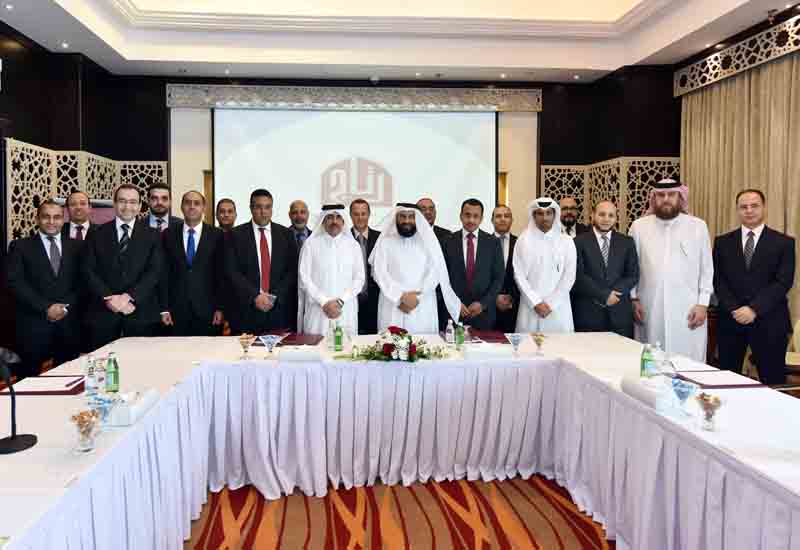
In conversation with Filippo Sona about the outlook for Doha’s hotel market.
Tell me more about the Doha outlook for 2016?
We see the Doha market overall ending quite positively when compared to the rest of the GCC. If you look at our year-end forecast, we’re forecasting just a very small decline of 4% in ADR, and -8% in occupancy. The market, particularly in West Bay, tends to be very strong. A majority of the larger hotels tend to be down in the lagoons — that part of Doha has suffered slightly more, the ones heavily driven by MICE. The West Bay area does not have large amount of F&B outlets and therefore much more resilient, so they hold their rates, drop slightly in occupancy and keep operational expenses to the minimum.
We see the market ending at about 66% overall, and with West Bay in the leading position. The newer resorts, particularly the Marsa Malaz Kempinski and Banana Island Resort Doha by Anantara, are going to do very well from a leisure point of view.
What are your thoughts on inbound tourism for Doha?
Qatar had a very good visitation from Saudi Arabia — it’s been an interesting flow of inbound business from Saudi Arabia. There is a new wave, more than it was before.
Are you seeing a growth of tourism in Qatar; why do you think that is?
What Qatar will experience, in our view, is a growth, which will be naturally driven by three factors. One, Qatar Airways is growing its routes and network. The airport is finished, there’s a good home base. The fleet has new planes, there is greater global branding — all of which is growing the brand equity of Doha and Qatar. On that basis, popularity, understanding and knowledge in the market about Doha is growing.
Second, we are just over five years away from the World Cup — there is a lot of concentration on stadiums, development is taking place, professional services are going into Qatar, the government is doing a lot of promotional activity and are pushing themselves into the sporting world.
Last but not least, the new resorts. In fact, if you look at Qatar, what we were missing is the resorts. We have amazing beachfronts but apart from the likes of Hilton and Four Seasons, there weren’t many beachfront properties. Now having these properties coming in pitches the country to the European market. They are promoting the leisure market, and this brings with it length of stay as leisure travellers stay longer. By diversifying their product, it can bring in new tourism into the market.
What are the niches where Qatar’s hospitality market can capitalise on next?
One, is the mid-scale hotels. There is a need for this because Qatar has a strong business sector and we cannot keep building five-star hotels. But what Qatar also needs is a super iconic hotel, the Atlantis of Doha. A one-of-a-kind hotel that will drive curiosity and interest of tourists.
Next, serviced apartments and lifestyle hotels — because this creates vibrancy. The West Bay is the heart of corporate business, if you go to the Pearl, it’s the equivalent to The Palm in Dubai. Now we need lifestyle, a place where people hang out. Where you can start developing a streetscape, bring character, soul and identity to a community. Lusail has a good opportunity today to set itself as the place to be.