Q. What are the latest trends in spa design in the Middle East?
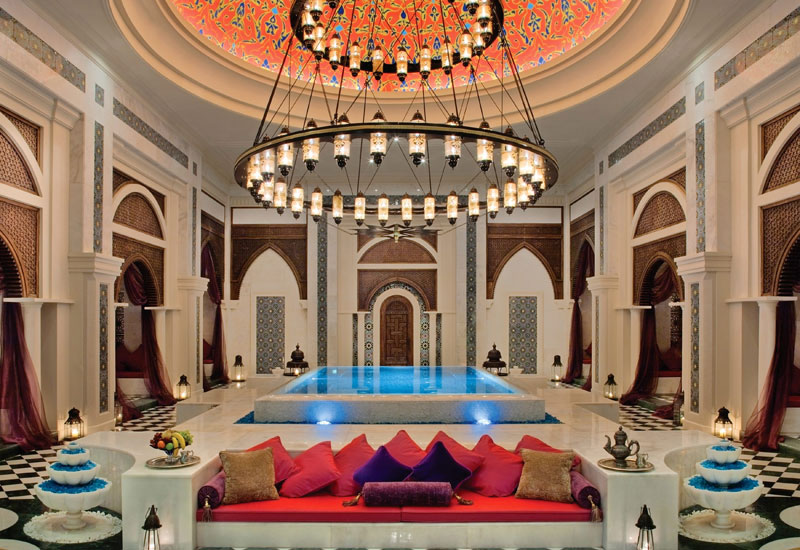
Beverly Gautschi: The market maintains its traditions with spa designs; Moroccan and Turkish baths are still the most popular facility for the bathing culture within the region.
Soraya Jouzy: Latest trends include allocating prime space of the property during the building phase to attract guests to the spa, for instance crossing the hotel lobby while returning from the gym, post work-out. Another trend is an increase in wet area facilities such as hammams, thalassa pools and water bikes. In particular, spas are choosing to carve out a wellness identity and provide guests with an integrated offering. This trend coincides with our clients becoming more savvy and educated on the benefits of chemical-free brands and treatments that deliver more than a massage, but wellness benefits. Another trend is focusing on design elements such as lighting, room and bathroom layouts. The selection of linens and other OS&E items, through to F&B menu offerings can all help to enhance the wellness identity of a hotel. There is a general sentiment that guests are stressed and sleep deprived more than before and de-stressing is the key to brand loyalty amongst them. To accomplish this, the spa, its design, location and identity are all vital.
Omar S. Khayat: The latest trends in spa design in the Middle East are designing spas that involve all senses while targeting the market needs. Customers are seeking more variety in treatment options as well as options in length of treatments. We are now designing spas that fit the ‘quick spa’ bill, offering treatments such as cryotherapy, aqua gyms and flotariums.
Q. What is your most requested service or product in the hospitality industry?
Beverly: At Beauty Leaders we have several requests from the markets such as: spa thermal areas design, supply and fit out, FF&E and OS&E for spa pre-opening projects as well as wellness, spa equipment, products and consumables.
Soraya: Our skincare and amenity brands complement one another and are focused on luxury, quality and being chemical-free whilst providing instant results. Our products are requested from spa directors, executive housekeepers, general managers and hotel chain corporate offices looking to develop brand standards. Our product portfolio covers spa treatments and retail offerings as well as bathroom amenities, turn down amenities and room fresheners. We are currently receiving a lot of interest for Sodashi, an established brand from Australia. The St. Regis Dubai’s Iridium spa has been an early adopter of the brand that is said to relax the mind and body. Another award winning brand is the UK-based Neom Organics that is gaining interest from operators and luxury airlines. Apart from products, many hoteliers are requesting our treatment training as well.
Omar: Lavish hotel spas and yoga retreats are common, but in 2015 we noticed hotels serious about offering health packages. Well-established hotels are looking at offering new spa experiences, which focus on mind over body, introducing intuitive counsellors, cognitive and emotional coaches. Aqua gym offerings are one of the trendiest service products being requested for. It is the latest wellness innovation that originated from Europe and is easy to combine with a wellness service. Aqua gyms are widely used as an innovative solution for weight loss and post-operative rehabilitation as the service has low impact on body joints. Infrared cabins are also becoming increasingly popular as their health benefits are becoming widely known — such as anti-aging, pain relief and increased circulation.
Q. What Is the main challenge for hoteliers when it comes to designing spas and how do you help overcome this?
Beverly: Hotel operators are educating the owners in the region about the importance of investment and return on investment on upcoming spa projects. They need to keep up-to-date with trends, look into long-term planning and take various statistical parameters into consideration. Additionally, hotel spas need to be designed keeping in mind the size, and number of rooms. Often, spas are designed incorrectly and cause huge financial loss over a period of time.
Omar: The main challenge is designing spas that are innovative, inviting and have a high return of investment while still respecting local values. We are also adapting designs that fit to a model where the spa depends less on manpower. There is a need to design inviting spaces that will be safe and relaxing for the customer. Only design firms that are based in the region are fully able to understand how to adapt and allocate spaces while still managing to create a wonderful expanse.
Q. How has the spa industry in the Middle East changed over the last few years?
Beverly: Over the past few years the spa industry has developed excessively, with the impact of skilled employees with international expertise. Hoteliers have realised that spa operations are no longer an accessory, and can generate handsome revenue for the hotel. Wellness and well-being has become important for the clients.
Soraya: With challenging economic times in the region, the spa industry, especially in hotels, is going down divergent paths. The first is where it provides multiple low cost, non-exclusive, non-quality brands to meet budget expectations in the hope of providing affordable choice to guests. Such an approach, however, does little to enrich the customer’s experience or build brand equity and underestimates the spa’s staff to connect with the guest. The other is to break-down the silos within the hotel and select brands that are used across the rooms, public areas and spa improving volumes and therefore cost, but most importantly generating profitable opportunities for retail that translates in interest across spa treatments from guests. The distributor plays an important role in bridging these silos and developing incentives that encourages the potential bounce-back between different hotel zones. More importantly, taking a ‘less is more approach’ and selecting brands with strong values and messaging such as wellness and sustainability can help develop the operators’ identity and promote loyalty. Opportunities for co-branding, for example, and customisation can be realistically explored with larger volumes. An alternative approach is selecting a quality spa brand with strong retail offerings and celebrity endorsements.
Omar: The market in the Middle East has matured greatly over the last few years. Customers are more knowledgeable and their expectations are increasing along with that. They expect spas to keep up with innovations and the latest solutions. In the past, spas in hotels were a complimentary feature that was an add-on. They have now become a necessity and a profit generating vertical within the hotel. This has led to hotels allocating more space for their spa operations. On the other hand, home spas have also became increasingly popular and in demand for everyday convenience.
Are refurbs important for older spas in the region; what would you recommend as the average lifespan of a spa?
Beverly: Yes, refurbishments are necessary for functionality and guest satisfaction. The spa’s image and reputation are important, like any business. The average life span of a spa operation is between five to seven years, depending on the quality of the hotel property and work executed.
Omar: The average lifespan of a spa would be five-10 years, depending on how the spa has been designed. Refurbishments are needed for two reasons: Firstly, the wear and tear of the treatment rooms and its facilities. Secondly, due to some offerings and equipment becoming obsolete. It is pivotal to keep up with innovations and new trends in the market.
Meet the experts
Beverly Gautschi, Sales Manager, Beauty Leaders LLC
Beverly is the sales manager at Beauty Leaders’ head office based in Abu Dhabi, UAE. Beauty Leaders is present in the GCC and Jordan and has been providing spa solutions throughout the region. Beverly has 21 years’ experience in the beauty, spa and wellness sector and has worked in Europe, Africa and Middle East. She specialises in developing existing hotel spa operations and supporting clients with pre-opening projects, as well as providing spa consultancy and conceptualisation.
Soraya Jouzy, Business Development Director, Pearl Tree
Soraya is armed with a degree in hospitality management from Oxford Brookes, having worked internationally for the likes of Four Seasons Hotels & Resorts and Gordon Ramsay in the past. Soraya’s goal is for Pearl Tree to progress past standard distributors’ performance satisfaction and become a long-term strategic partner to both suppliers and clients. Pearl Tree supplies beauty, wellness and natural brands for the hospitality, retail and airline industry across the Middle East and British Indian Ocean.
Omar S. Khayat, Technical and Design Manager, Watermaster Qatar W.L.L. and Acting General Manager, Fluidesign Lebanon
Omar is a Lebanese interior architect and graduated with honours from the University of The Holy Spirit of Kaslik. Omar has 20 years’ experience in interior design, execution and project management on large scale projects in the Middle East. He works as the technical and design manager at Watermaster Qatar W.L.L. He is also the acting general manager for Fluidesign Lebanon under Al Miyah Holding Group. Omar is responsible for leading a team of draftsman and 3D designers (technical/mechanical/electrical) in Qatar, UAE and Lebanon. Fluiddesign provides complete project design, management and execution for spa and water feature projects.