

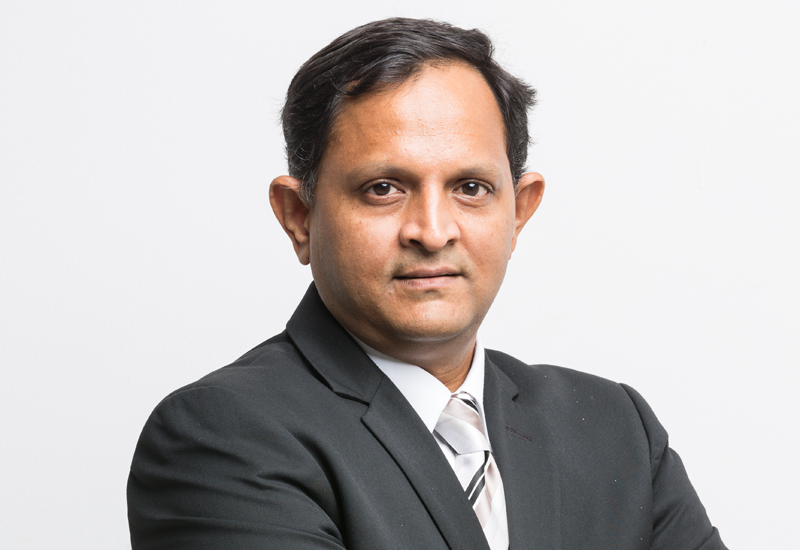
How did you land in hospitality safety and security?
After I completed my education, I was all set for a career in the Indian Armed forces and had already been shortlisted to join the Indian Military Academy. However, life had other plans and a stint as a vacation trainee at the Taj hotel in North Goa got me into the field of safety and security.
Tell us about the emergency manual you created for the Taj Group?
An emergency manual is a vital part of the business continuity plan and I was fortunate to have been part of the team that worked on this manual. It had become necessary to have a comprehensive plan covering all types of emergencies for the Taj Group of Hotels. Since we have hotels spread across metropolitan cities such as Mumbai, Bangalore, New Delhi, Kolkata and Chennai, to beach resorts in Goa, Kerala, and Maldives, it was important that we created an uncomplicated manual from a practical and functional point of view. I have had the opportunity to work at most of Taj’s properties throughout India, and it gave me an insight into the problems faced at these hotels. The manual covers all natural and man-made emergencies, as well as provides practical solutions to situations in areas where emergency response may be limited.
Are UAE hotels doing enough when it comes to maintaining safety and security levels?
In the UAE, security is well organised through the DPS regulations which make it mandatory to follow the code of practice. Standards are clearly laid down and there is no compromise. There is, however, a huge scope in governance and administration of security services outsourced to private agencies. Security is a vast field and we must maintain an opportunistic attitude towards improving our knowledge on the subject besides devising and improving accountability.
What are some of the safety and security challenges in hospitality?
One of the biggest challenges is the integration of safety and security features within the security concept and design. It is, hence, imperative that the security design is implemented in the project stages. The threat of terrorism looms large across the world and hotels are often a soft target, and we need to do everything we possibly can to maintain safe and smooth operations.
How do you keep your team motivated and vigilant?
Engaging your workforce is the key to both motivation and vigilance. Informal dinners and personal interaction with team members go a long way. Learning opportunities for team members helps in motivation as well. It is important that team members develop a security-based thought process. Terrorism challenges across the world are offering better avenues for counter surveillance and counter-intelligence which can be deployed as strategic vigilance tools.
What are some of your career highlights and achievements?
I would say that the biggest achievement in my career was my involvement in the rescue and relief operations during the 2001 Bhuj earthquake in Gujarat. We were part of the Taj Group’s ‘rescue and relief’ team and were tasked with rescue operations along with the Indian Army. We successfully rescued around 15 people who were buried alive — and the feeling of rescuing and saving lives is one of the high points of my career for which I was commended by the Indian Army, as well as the government authorities.


