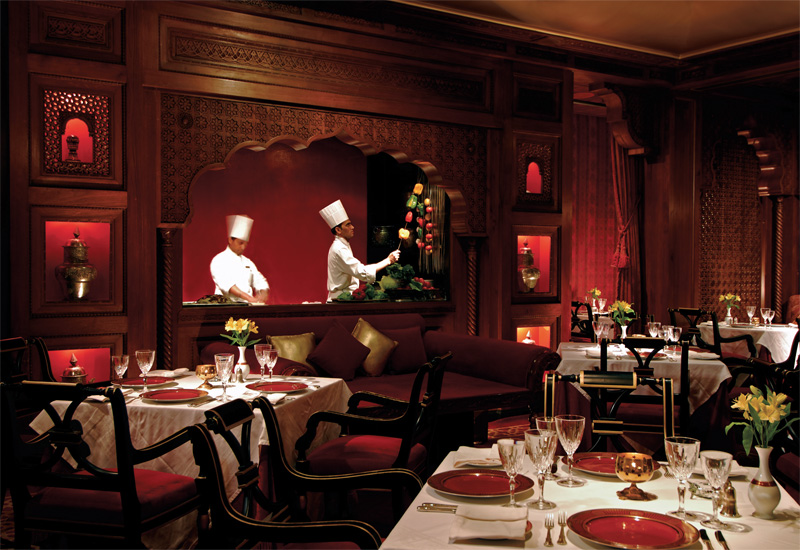
Amanda Elisha goes beyond the quintessential curry and finds out what makes British cuisine one of the region’s premier dining options.
Paul Hage, executive chef, Habtoor Grand Beach Resort & Spa
Simon Conboy, head chef, Rivington Bar & Grill, Souk Madinat Jumeirah
Ben Tobitt, head chef, The Ivy, Jumeirah Emirates Towers Boulevard
Christopher Driver, chef de cuisine, Alfie’s, Jumeirah Emirates Towers Boulevard
Ryan Waddell, head chef, Reform Social & Grill, Emirates Hills
How popular is the concept of British cuisine in the region?
Paul Hage, executive chef, Habtoor Grand Beach Resort & Spa: British cuisine is immensely popular in the region considering the number of British expats who live and work here. There are also a large number of tourists that come to Dubai for the Arabian rays and a spot of luxury, who also enjoy indulging in traditional cuisine from the UK.
Simon Conboy, head chef, Rivington Bar & Grill, Souk Madinat Jumeirah: The UAE is home to 100,000 British residents who are away from home, friends and family. Food makes us feel at home, wherever we are in the world, and so it’s no surprise that there are a number of British-inspired restaurants across Dubai, and that the demand for authentic food of this kind is so high.
Christopher Driver, chef de cuisine, Alfie’s, Jumeirah Emirates Towers Boulevard: There are a lot of great restaurants in Dubai from all over the world including a number of very good British restaurants and chefs. The presence of so many British restaurants in Dubai clearly shows that the demand and popularity for this type of cuisine is very high.
What is the competition between British restaurants like?
Ryan Waddell, head chef, Reform Social & Grill, Emirates Hills: Competition? What competition? Joking aside, there are some big names already here such as Gary Rhodes and The Rivington Bar & Grill who are doing a great job, but we’d like to think we bring a bit of a British independent feel in a great setting.
Ben Tobitt, head chef, The Ivy, Jumeirah Emirates Towers Boulevard: Competition is high as the restaurant market within Dubai is keen to cater to its huge British expat community, as well as those international residents who have a penchant for British cuisine. Our point of difference is our focus on high quality traditional British ingredients cooked to perfection, along with our sensational Friday brunch, which unusually features a choice of two menus.
CD: The competition in Dubai is very fierce for this cuisine which is why marketing and advertising are so important. To keep your restaurant on top, you have to fight for every customer that walks through your door and rely on loyal customers.
SC: Since there are many British-inspired restaurants in Dubai, competition for covers is high. Our beauty spot locations at Souk Al Bahar and Madinat Jumeirah offer unparalleled views of Dubai and a one-off guest experience which helps us stand out; however, our food also needs to reflect this unique offering.
PH: There are quite a few restaurants that serve British cuisine but serve better quality food than others. We ensure all the items on our menu at The Underground Pub are of the highest standards and taste great each and every time.
What is the supply-stream like?
RW: We’ve managed to find most things; even specialty items such as Mrs. Kirkham’s cheese and Heritage tomatoes around, as long as you find the right suppliers.
BT: Compared to a few years ago, the supply stream is healthy. A lot more essential products are becoming available, which means we can serve new and unique dishes that customers may not have experienced in Dubai before such as our rack, shoulder and rump of Welsh lamb.
CD: The supply-stream is actually pretty good but if an item is not available, especially from overseas, there can be some difficulties. Alfie’s imports a lot of British produce and that can give you an enormous headache because you can’t just pick up the phone and expect something within an hour. This is why when planning your menu it is important to bear that in mind and try to work around which items are readily available at all times, especially if clients are coming back for their favourite dish.
What challenges do you face?
SC: One of the biggest challenges we face is the availability of products within Dubai as many items on our menu need to be imported, as well as maintaining the required quality and standard of ingredients that are both essential to our menu and that our guests have come to expect. Our team also strives to continue finding new and interesting ingredients, and keep pushing the boundaries of what we can do with British cuisine.
RW: Potatoes — we’re very serious about our chips, mash and roasties so we’ve been tasting loads of different samples recently to get the perfect result.
BT: Although more ingredients are becoming available, one of the biggest challenges we face is receiving these products on a daily basis. For example, we have a lot of European fish on our menu, so to ensure it is the freshest it can possibly be, we have to have the fish flown in twice a week from the UK, which incurs a higher cost. That being said, it’s worth paying a little more to ensure our diners receive the highest quality.
CD: Challenges vary on a day to day basis, but since the restaurant business is so competitive in Dubai one of the biggest challenges is bringing people into the restaurant because everyone is trying to attract the same clientele. In my opinion, it is better to get to know your guests; stay consistent and offer them what they want.
What does the future for British cuisine look like?
PH: The future for British cuisine looks bright. The dishes from the heart of Britain are welcomed with open arms. With the festive season around the corner, there will be a surge in the number of holidaymakers. December is always a busy time with our guests in search of a hearty meal and great entertainment.
CD: I think the future is bright, but British cuisine is not really promoted enough as a lot of people’s perceptions are that it is boring or just roast beef and fish and chips but if you look closer you will realise there is a lot more to it than that.
BT: Since there is a huge expat community in Dubai, the feedback we get is that it’s fantastic to go somewhere that serves the highest standard of British food, creating a ‘home from home’ feel for many residents. However, it’s not just expats who enjoy the food; we have plenty of customers from all over the world and locals who love our British classics.
SC: With new suppliers and small producers arriving in the market who bring new techniques and products with them, the future of British cuisine looks very bright. Such innovation provides chefs in the region with more new ingredients and quality produce to work with, which enables culinary specialists to both raise standards across the board and create never before seen dishes.
Fish & Chips
Reform Social & Grill’s Ryan Waddell runs through his take on this British classic
Ingredients:
• 180g white fish (either cod, pollock or haddock)
Tartar Sauce
• 4ltr mayonnaise
• 500g capers
• 500g gherkins, finely chopped
• 500g shallots, peeled and finely chopped
• 30g parsley, finely chopped
• Salt and freshly ground black pepper
Batter
• 28g fresh yeast
• 10g egg yolk
• 900g flour
• 600g corn flour
• 1ltr milk
• 1ltr soda water
• ½ tsp cayenne
• ½ tsp baking powder
• 1 tsp soya sauce
• Salt
Pea & Mint Purée
• Onion
• 1 celery
• 2 garlic cloves
• 100g butter
• 1kg frozen peas
• 300ml vegetable stock
• 300ml cream
• 300ml milk
• 20g mint
Method:
• Mix all the ingredients for tartar sauce together.
• Mix all the ingredients together for batter, and then rest in fridge for 12 hours.
• Finely chop onion, celery and garlic, sweat down in the butter.
• Add peas and coat in the butter.
• Add the vegetable stock, milk and cream. Cover and bring to boil quickly; as soon as this boils remove from the heat.
• Strain the liquid but do not discard, transfer peas to the thermo mix, add the mint leaves and blend at full power. Add back a small amount of the cooking liquor until you have a nice thick purée.
• Season and chill.
• Dust fillet of fish in plain seasoned flour, dip in the batter. Allow some of the excess batter to run off the fish and place in the fryer. Cook for about 3-4 minutes turning the fish occasionally.
• Serve on a large slate board, large quenelle of pea purée, ramekin of tartar sauce, half a lemon (no pips) and a copper cup of chips.