

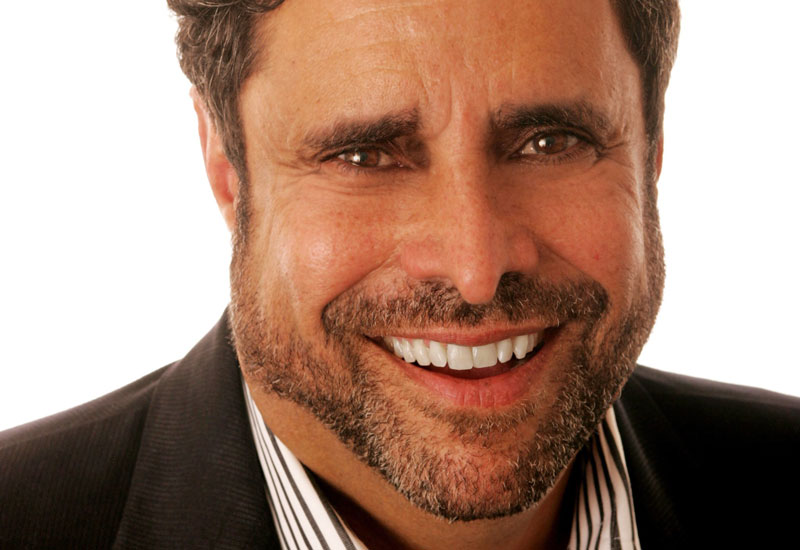
This latest Asia de Cuba launch is your second GCC property. What draws you to this region?
This is our fourth Asia de Cuba location worldwide and second in the GCC — we opened the Abu Dhabi site in 2015 — further to this I have China Grill in Dubai. The region has always been in my sights — from the tremendous growth and vibrancy we see in the GCC itself, to the sophistication and global nature of the clientele which matches perfectly with our global Asian cuisine.
Do you plan to open more restaurants in the GCC?
Yes, we are currently working on projects in Qatar and Dubai.
You have a very diverse background. How did you become involved with the food industry?
Going from law to food sounds like quite a big jump, but I’ve always been passionate about food. I was always interested in seeking out the best restaurants, from simple places with real home cooked food to three Michelin stars. Some of my best meals have been in holes in the wall. When I was at college in London, every week I would cook dinner for 12 to 14 people. It would take two days to make and two days to clean up. Restaurants always fascinated me, not just from a culinary point of view, but from an operational one as well. In the back of my mind, I always wanted to own a restaurant, just so I could learn the operational part of it.
What are your favourite cities to eat in and why?
San Sebastian/Bilbao in Spain is probably my favourite food area in the world. The pinxtos (tapas) is second to none — a truly authentic and flavoursome journey of what this diverse region has to offer. New York too is always high on the list; my most memorable meal was here (in New York). Caviar beggars purses, foie gras with mixed lettuces, pasta with white truffles, sweetbreads, an incredible rack of lamb and assorted desserts followed by the best chocolate soufflé I’ve ever had in my entire life. This was at the original Quilted Giraffe.
What do you think has made the Asia de Cuba concept so successful around the world?
Our food is unique. It is rooted in real Chino-Latino culture. Havana had the first Chinatown in the Americas. But, we push boundaries; we’re the first restaurant to have combined the two cultures on the plate in a way that really worked — we’re not afraid to evolve and to try new things. As a result, the menu is different from any other restaurant around the world reflecting Cuba’s multicultural heritage by infusing Asian ingredients and technique in a way I thought a modern knowledgeable Cuban chef would if they had the freedom to do so.
What’s your favourite item on the Asia de Cuba Bahrain menu?
I guess since I created them, the tunapica and the calamari salad. They’ve also always been our two most popular items.
Can you tell us about the projects you’re working on next?
We have six to seven new projects including Indian, Chinese, Italian, and French.

