

The escalating conflict involving Iran is already costing the Middle East’s tourism industry at least US$600 million per day in international visitor spending, according to new analysis from the World Travel & Tourism Council.
The organisation warns that disruptions to air travel, shifting traveller confidence, and reduced regional connectivity are beginning to ripple across the entire travel ecosystem, from airlines and airports to hotels and cruise operators.
The Middle East remains a critical pillar of global travel. The region accounts for around five percent of global international arrivals and 14 percent of global international transit traffic, meaning any disruption has far-reaching consequences for international tourism flows.
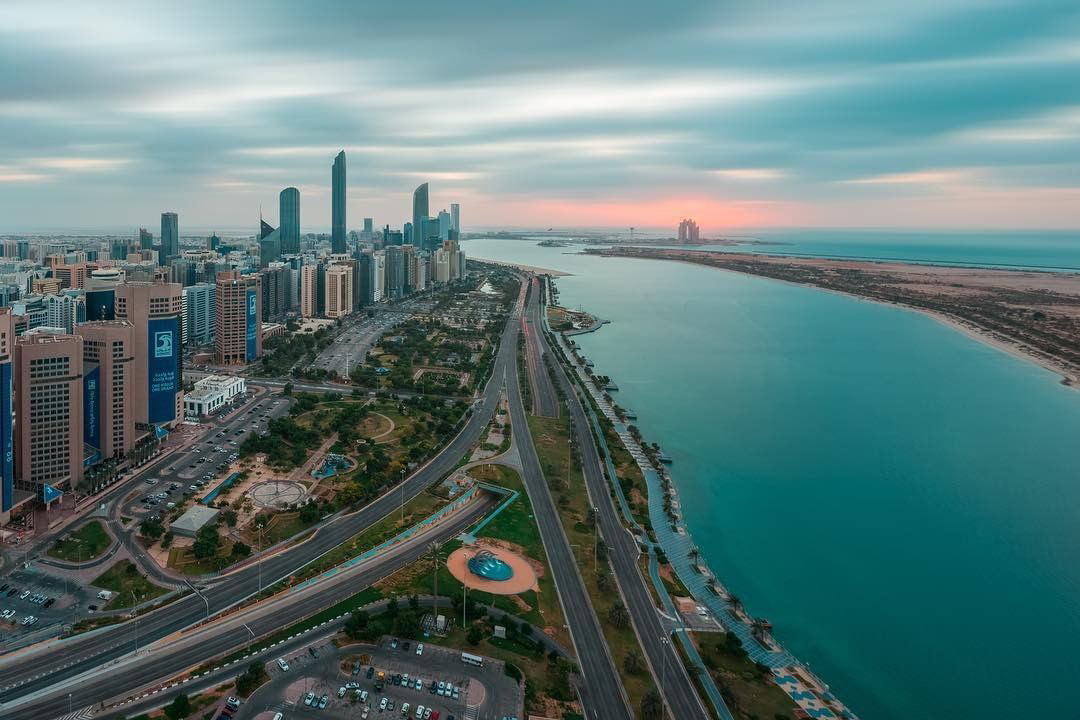
Major aviation hubs across the region have already felt the effects. Airports in cities including Dubai, Abu Dhabi, Doha and Bahrain — which collectively process around 526,000 passengers daily under normal conditions — have experienced closures and operational disruption as the conflict escalates.
According to WTTC, the financial impact could escalate rapidly. Its pre-conflict 2026 forecast projected the Middle East would generate around US$207 billion in international visitor spending this year, highlighting how even short-term travel disruption can quickly translate into major economic losses for tourism-dependent sectors, including hospitality.
Despite the challenges, the organisation emphasises that tourism has historically proven to be one of the most resilient sectors globally.
Gloria Guevara, President and CEO of WTTC, said: “Travel & Tourism is the most resilient of sectors. The impact of international visitor spending across the Middle East is significant and averages around US$600 million per day, but history shows that the sector can recover quickly, especially when governments support travellers through hotel support or repatriation.
“Our analysis of previous crises demonstrates that security-related incidents often see the fastest tourism recovery times, in some cases as quickly as two months, when governments and industry work together to restore traveller confidence. WTTC commends governments who have worked tirelessly in recent days to support recovery efforts.”
She added that coordinated action between governments and the private sector would be essential to stabilise the market and restore traveller confidence.
“Clear communication, strong coordination between the public and private sectors, and measures that reinforce safety and stability are critical to rebuilding trust with travellers and supporting the sector’s recovery.”
WTTC, which represents the private sector of the global travel industry, says it will continue to monitor developments closely while working with governments and industry leaders to support traveller safety and minimise disruption across the sector.