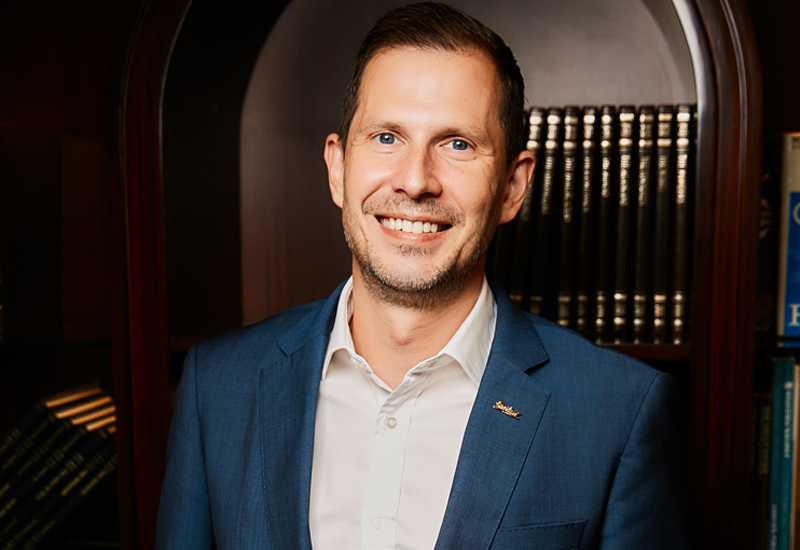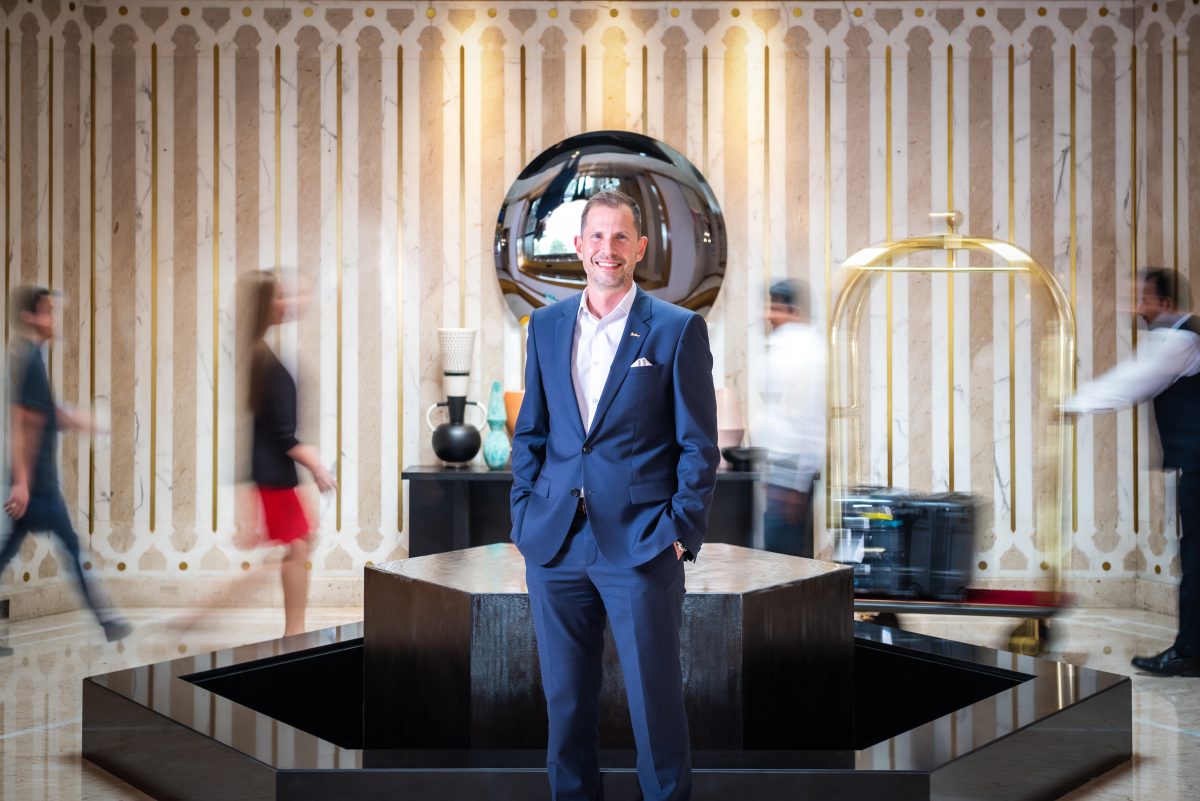
From long-term planning to leading with empathy, Radisson Hotel Group managing director for Oman, Bahrain, Qatar, Egypt and Iraq, Jan Hanák, has found that a simpler, grounded approach makes for a more productive career in hospitality.
Hanák’s principles keep teams focused, resilient and human, and importantly, help him straddle a number of responsibilities, from leading operations to implementing strategic initiatives.
Having built his career across multiple markets and roles, Hanák believes great hotels run on clarity, trust and emotion, not just process. He reveals the seven lessons that have shaped how he leads today.
Have a plan, and revisit it often
In hospitality, it’s easy to get trapped in the weekly rhythm of budgets, forecasts, and operational firefighting. Annual targets matter, but so does a clear view of where the business should be in three to five years. The same goes for your own career. Recheck your goals regularly and be honest with yourself. Are you building the skills you’ll need for the next step, or just staying busy?
Protect your support group
Leadership looks lonely from the outside, but it shouldn’t be. Put real weight on a support network, the people who challenge you, ground you, and tell you the truth when it’s needed. Some will inspire you. Others will help you think clearly when pressure hits. Don’t try to carry decisions, stress, and expectations alone. Strong leaders build strong circles.
Time is the most precious thing, spend it like it matters
Time is the one resource you never get back, and the industry has a habit of glorifying burnout. My approach is simpler. Protect time for family, health, and the moments that reset your head. Rest isn’t a reward, it’s part of performance. If you want to lead well over the long term, you need energy, perspective, and a life outside the job.
Keep learning, keep moving
Curiosity is a career advantage. Stay close to what’s changing, new guest expectations, new tech, and new ways of working, and keep experimenting. Not every initiative will last, and that’s fine. Progress comes from action. If you wait for perfect conditions, you’ll fall behind. Try, learn fast, adjust, repeat.
You’re only as strong as your team
This one is non-negotiable. Leaders don’t “have” great teams, they build them. Invest time in people, develop skills, coach future leaders, and keep teams engaged with clarity and support. Then do the hardest part. Let go. Empowerment means trust, real autonomy and room to make decisions. When people feel ownership, performance follows.