

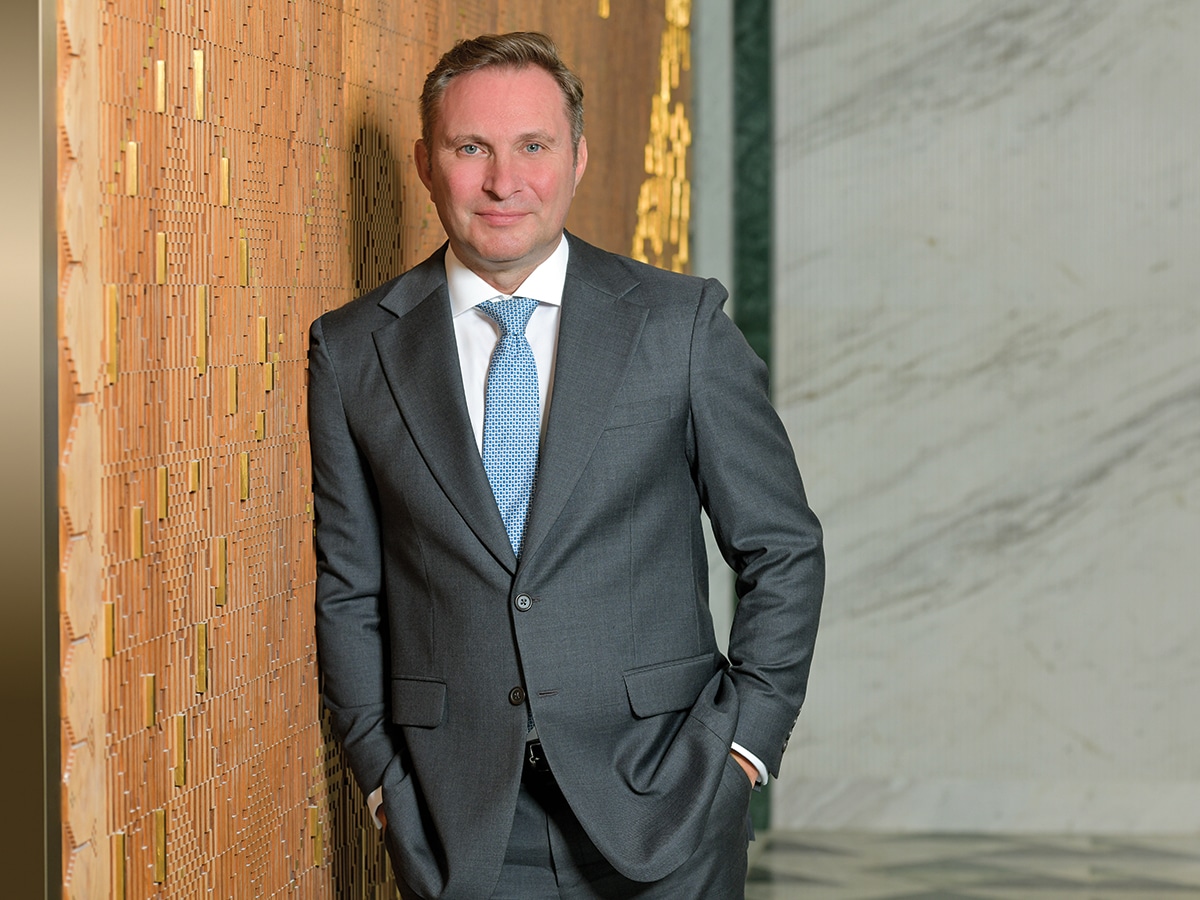
With more than 25 years in hospitality leadership across EMEA, Ian Rydin is currently cluster GM at Swissôtel Corniche Park Towers Doha and Swissôtel Residences Corniche Park Towers Doha. In this role, he is leading the launch of Accor’s premium Swiss offering and global flagship in Qatar. A certified leadership coach, Rydin shares seven lessons from his journey.
Culture comes first – always
Before systems or service rituals, I focus on building a culture. In any pre-opening, the checklist matters but mindset comes first. We chose every colleague not just for what they’ve done, but for how they think, how they show up and what they bring to a team.
From the beginning, we’ve worked to foster a culture that reflects our purpose: Pioneering the Art of Responsible Hospitality, Connecting Cultures, with Heartfelt Care. When people align with that, operational excellence becomes a natural outcome – not a forced process. Today, we represent 18 nationalities, with 50 percent of leadership roles held by women – diverse in background, united in intent.
Empowerment drives authenticity
When people feel trusted, they show up differently. I’ve found that the more space you give for good judgment, the more naturally great service follows. It’s not about stepping back, it’s about stepping alongside, offering guidance while allowing room to grow.
The strongest teams I’ve worked with share one thing in common: a sense of ownership. That doesn’t happen overnight, but when people are clear on what matters and confident they’ll be supported, they don’t hesitate to make it personal. That’s where the best guest experiences begin.
Structure is essential, but so is empathy
Over the years, I’ve learned that structure sets the rhythm – but it’s empathy that gives it meaning. Clear standards and processes are essential, especially in pre-opening phases. They keep us aligned, consistent and focused.
But it’s how people apply those standards that defines the experience. That’s where the Heartist mindset comes in, giving teams the confidence to personalise, adapt and lead with care. Whether it’s a thoughtful gesture or knowing when to hold back, empathy adds the human layer that structure alone can’t deliver. The best service happens when both are working in harmony.
Transparency builds trust and trust drives alignment
In pre-opening environments, clarity is everything. At Swissôtel Doha, transparency is a core pillar of the culture we’re building. Open communication, clear expectations and shared accountabilities are non-negotiable. When the environment fosters honesty, people feel empowered to contribute with purpose. But alignment is key: when one is not aligned, it’s sometimes best to part ways respectfully and decisively. The right team isn’t just skilled; they’re aligned.
Think local, lead globally
One of the most important lessons I’ve learned is that global standards come to life best when shaped through local insight. There’s real value in bringing both perspectives together – anchoring consistency in something culturally meaningful. That approach has influenced everything from our design decisions to how we’ve developed our restaurants. Azal draws on the storytelling nature of the region, while Embers brings people together through the theatre of open-fire cooking. When we design with intention and listen to the context we’re in, global ideas become local experiences that truly resonate.
Great service follows rhythm, not routine
You can’t choreograph every moment. And in hospitality, you shouldn’t try to. What matters is knowing when to engage and when to hold back.
The best service I’ve seen comes from people who are present, not performing. That presence allows teams to respond with subtlety – to pick up on energy, adjust pace, and create ease for the guest. The same goes for how we shape spaces: lighting, scent, sound, and flow all play a role. When people feel balanced, service becomes seamless without ever needing to announce itself.
Lead with purpose – or don’t lead at all
Leadership isn’t about titles or control, it’s about creating the right conditions for others to thrive. Whether coaching first-time GMs or shaping F&B narratives, I’ve learned that when you lead with intention, people rise with you. To me, hospitality doesn’t impress – it enriches.