

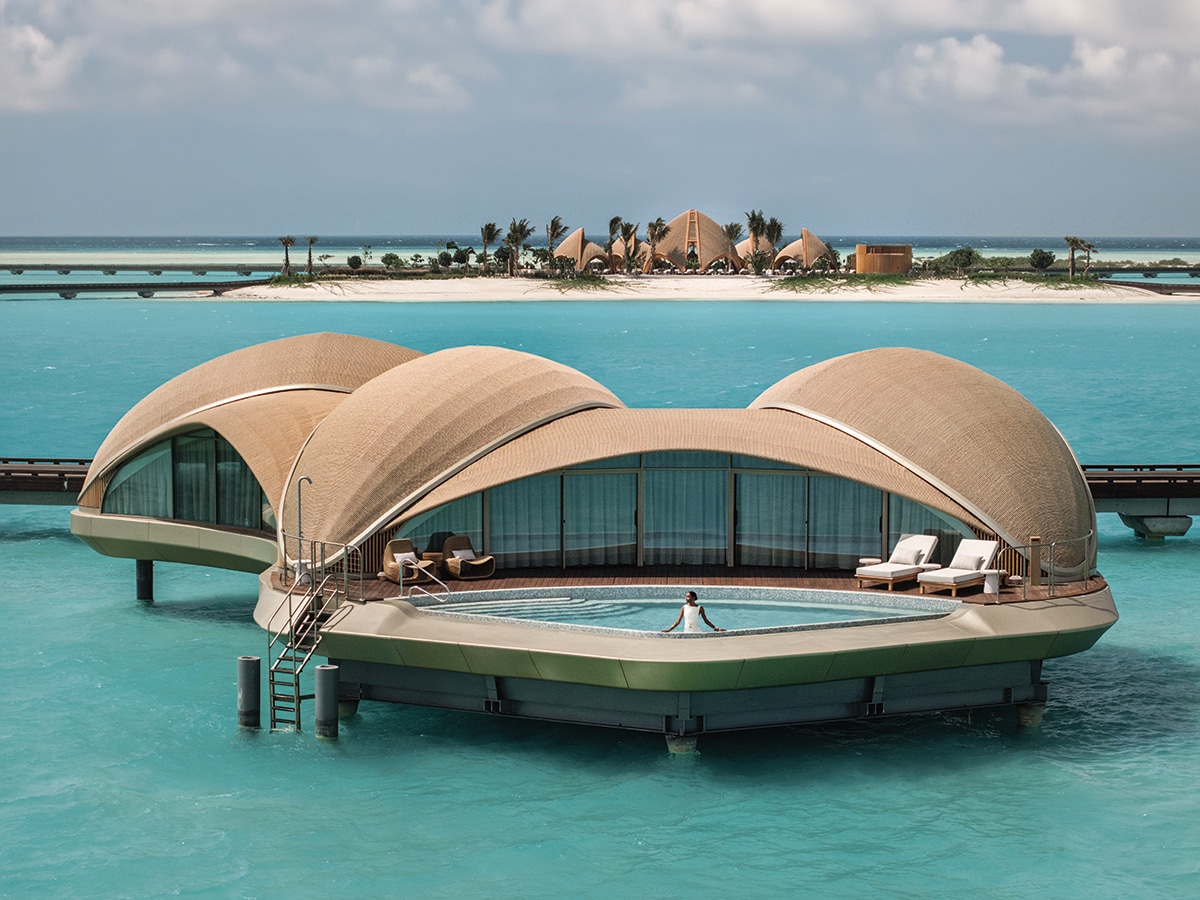
Historically in Saudi Arabia, spas operate degrees of gender separation. While not widely spoken about, many hotel spas used to only offer services to men. Fast forward to today – how much has this changed and are traditional values still upheld? Hotelier Middle East takes a trip to the past, as well as speaking to the present-day professionals setting the tone of spas today.
If we look back at traditional bathing culture in the Middle East, we typically think of Hammams – single-sex bathhouses where people went to cleanse themselves. Over time, Hammams evolved to become less about personal hygiene and more of a treat or, for travellers today, a taste of the local culture and traditions. Due to religious and social traditions in Saudi, men and women were once segregated in public spaces, including spas. This has however, resulted in spas being designed and prioritised for men and rather than women, anonymous sources in the Kingdom tell us.
Needless to say, as the world has become more connected, the greater number of international travellers visiting the Kingdom has challenged these traditions.

In 2010, Hotelier Middle East reported on Riyadh’s first female-only spa opening at Al Faisaliah Hotel. To quote ourselves: “Spas do exist in the Kingdom, but they are scant and often underground, advertised as a different business in order to not attract attention of the Kingdom’s religious police.” A Saudi-based hotelier at the time explained: “Spas haven’t been a part of the lifestyle here. However, as more young Saudis have been educated abroad in the US and UK, they have a more contemporary outlook, are keen to keep up with global trends and have money to spend on themselves.”
Since 2018, women-focused wellness has become a defining element of hospitality strategy in Saudi Arabia. This modern approach to women’s wellness is rooted in privacy, flexibility and personalisation – from the design of spa spaces to the structure of programming. Tony Coveney, area general manager at Nujuma, a Ritz-Carlton Reserve recalls: “Until a few years ago, it was rare to find proper wellness facilities for women in hotels across the Kingdom. That’s changed in a big way. Women want spaces where they can fully relax, take part in treatments, join movement classes and connect with wellness on their own terms.”

For many forward-thinking hotels in Saudi, designing for women is no longer a secondary consideration – it’s central to how wellness offerings are structured, marketed and delivered. Coveney observes that women are not only key guests but also key influencers. At Nujuma, this shift has been reflected in measurable business results, including longer stays, higher spend on wellness packages and an increase in women-led retreat bookings.
He notes: “We’ve also noticed that women are often the ones introducing their families or wider circles to wellness travel. They’re leading the conversation and setting the tone. So, they’re not just a demographic we serve; they help shape how we grow this part of our offering.” GMs across the Kingdom see that focusing on women in wellness has done more than improve guest satisfaction – it’s also created new business opportunities. Six Senses Southern Dunes’ GM Benjamin Kreuz explains: “Our strategy at Six Senses Southern Dunes centres on tailored experiences that respect the unique needs of women while honouring Saudi culture. This includes specialised programmes focused on detox, sleep, mindfulness and movement.”
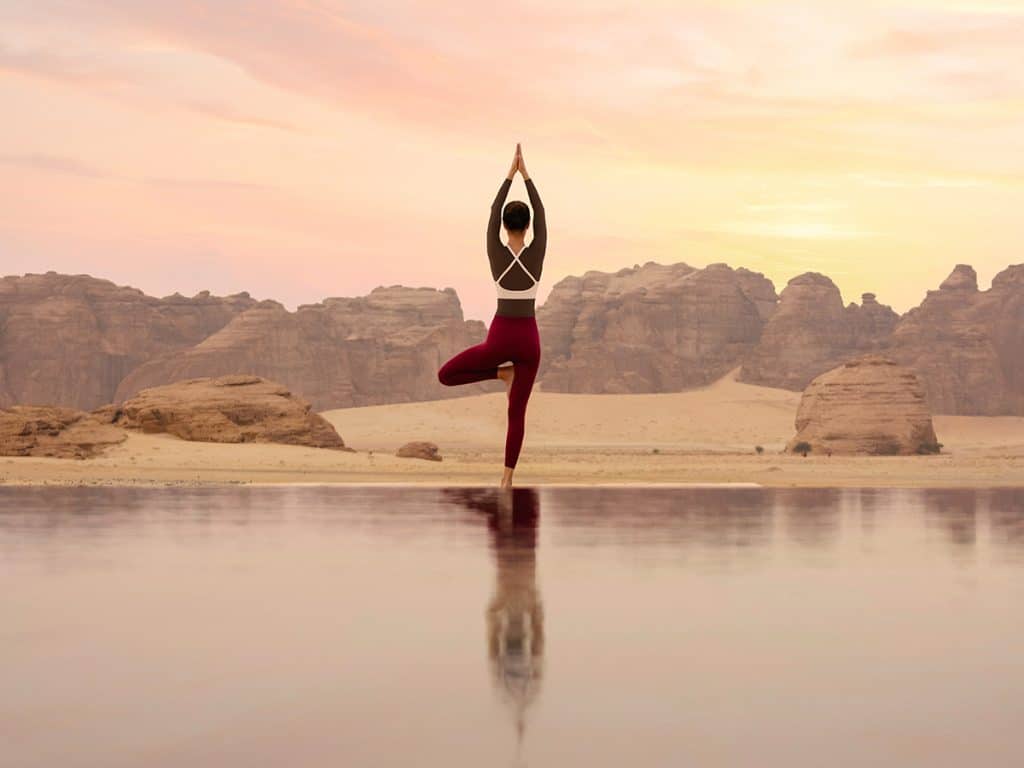
By designing experiences around women’s needs, properties are seeing stronger guest engagement, longer stays, higher occupancy and greater spend over time. At Banyan Tree AlUla, GM Bhavesh Rawal reinforces the same trend: “With women as a priority, our offerings include prenatal wellness, female-only retreats and curated treatments.”