Hotels have long been more than just places to sleep — they are points of cultural exchange. Whether in the heart of a major city or a remote resort, today’s hotels are expected to both reflect their surroundings and welcome travellers from all corners of the world. This convergence of cultures is what gives a hotel its unique energy.
On one hand, hotels offer guests a gateway to local traditions through cuisine, design, storytelling and other activations. On the other, they must remain agile and inclusive, catering to the diverse cultural expectations, customs, and needs of their international clientele.
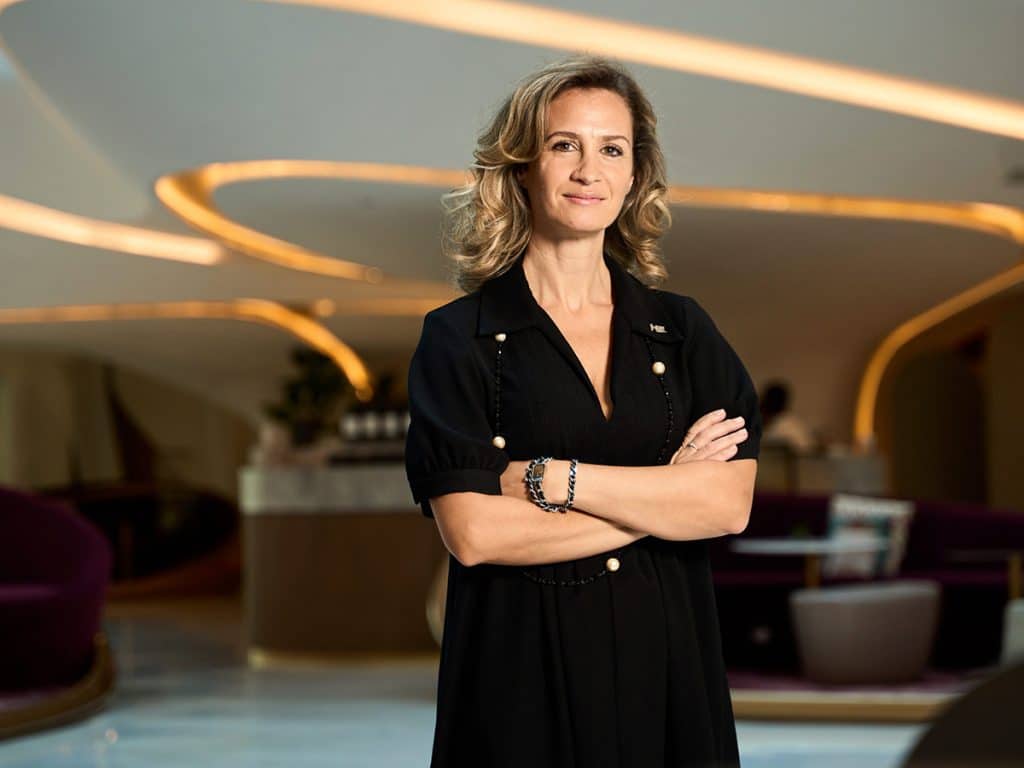
Having a diverse team is proven to lead to better decision-making and problem-solving, due to being able to draw from different perspectives. For Nadine Al Bulushi, GM at Kempinski Hotel Muscat, working with different nationalities and cultural backgrounds throughout her entire life has helped her to become more open and aware of many demographics.
“I have my own beliefs, but by being open and listening to other people’s experiences without judgment, you can understand how beautiful their beliefs and cultures are. You learn to accept there are many ways of doing things, and none of them are wrong, just different,” shares Al Bulushi.
Hotels that employ people with international experience and additionally train teams on how to best communicate with different cultures are well-positioned to provide enhanced customer service. With increased cultural awareness, they are able to anticipate guest’s needs and deliver accordingly.
From offering multilingual service and regionally sensitive dining options to incorporating local art, music, or rituals into the guest journey, hotels must balance authentic local immersion with global comfort. The best properties aren’t just neutral spaces — they’re cultural connectors, where travellers can experience something new while still feeling understood.
An immersion into Omani culture
Looking at Kempinski Hotel Muscat, the structure and design of the hotel incorporates traditional Omani features. The striking pillars in the main lobby, for example, emulate the pillars of the Sultan of Oman’s Al Alam Palace in Old Muscat. Spread across nine buildings with each with its own function, the hotel mirrors a traditional Omani village. The mashrabiya wooden lattice screen is additionally used to maintain privacy on the balconies, while the ballroom is shaped like an essence burner.

“There are a lot of physical elements in the hotel that reflect the Omani culture, which set the tone,” says Al Bulushi. “When you walk into the lobby, you already get the feel that you are in a modern, luxury hotel. But the cultural elements give it a different feel.All the receptionists are dressed in a uniform that reflect the culture, men are dressed in dishdashah. All of these components add to the journey and customer experience.”
Al Bulushi explains how they want to provide the luxury European Kempinski experience, but also maintain the cultural essence of Oman. The same strategy was incorporated when curating the fine-dining menu, which provides a fusion of Omani food prepared with European flair.
To extend the experience the multilingual concierge team connects guests to the local culture through a dedicated activity programme. The initiative has evolved to focus on offering immersive, culturally rooted experiences that go beyond traditional hotel services. For example, guests visiting the old souk, or embarking on fishing or nature excursions are accompanied by an Omani concierge who is able to provide personal insights, local knowledge and historical context along the way, creating a more meaningful and authentic visit.
To enhance this offering further, members of the concierge team are undergoing training to become certified tour guides, allowing them to accompany guests on tailored journeys to lesser-known areas of Oman. These excursions introduce visitors to untouched regions and rural villages, giving them a deeper understanding of the country’s heritage. Hearing these stories from someone who calls Oman home adds a layer of depth and authenticity that standard tours simply can’t replicate.