


Accor’s regional momentum is deeply anchored in Saudi Arabia, where the group continues to expand its footprint across brand segments, cities and guest expectations. With 45 operational hotels and another 44 in the pipeline, the portfolio spans 15 distinct brands.
For Paul Stevens, chief operating officer, premium, midscale and economy division for Middle East, Africa & Türkiye, the strategy is both targeted and future-focused. He notes: “Our approach in KSA is clear; build where the demand is rising, support Vision 2030 and deliver with agility. That includes extending beyond the usual suspects of Riyadh and Jeddah. We are actively investing in secondary cities like Al Baha, Tabuk and Waad Al Shamal, where we’re not just opening hotels, we’re unlocking local economies and talent.”
The COO highlights that their strategy across the Middle East isn’t one-size-fits-all. In mature markets like the UAE, his focus is on “sharpening our edge, doubling down on quality, differentiation and long-term value”.
Recent signings reflect this intent. From Swissôtel Waterfront Residences to Mercure Dubai Downtown, each project is designed to strengthen market presence while driving high-performing owner returns. Stevens adds: “We’re also constantly looking at conversion opportunities that bring independent properties into our system with speed and efficiency.”
By contrast, the playbook for Saudi Arabia’s secondary cities is more foundational and fast-moving. Stevens explains: “It’s about first-mover advantage, community impact and building the future of hospitality from the ground up. We’re entering places like Al Baha, Khamis Mushayt and Waad Al Shamal not just to grow supply, but to partner with government and local players in developing entirely new travel ecosystems. Equally crucial is local talent development”
Stevens highlights: “UAE is about deepening and refining. Saudi’s secondary cities are about building and enabling. But in both, we’re guided by long-term vision, local partnership and performance-led growth.”
Consolidating leadership in the holy cities

Stevens shares that Accor’s presence in Makkah and Madinah is anchored in scale and a deep understanding of the spiritual and cultural gravity these cities represent. With over three decades of operational experience and more than 12,500 rooms across 13 hotels and 10 brands, the group aims to carve a leadership position in the Holy Cities. But numbers tell only part of the story. Stevens says: “Operating in Makkah and Madinah comes with a unique responsibility and a profound sense of purpose. These are not just high-demand markets; they are sacred destinations of deep spiritual significance.”
That responsibility translates into highly tailored hospitality — quietly efficient during peak pilgrimage seasons, yet deeply considerate of the cultural rhythms that define each guest’s journey. The COO shares that the hospitality brand’s operations here are defined by lessons learned on the ground. He notes: “Consistency, cultural sensitivity and operational scale are absolutely essential. We’ve honed our ability to scale our operations efficiently without ever compromising the quality of service.”
Looking ahead, the group is reinforcing its roots. Developments like Novotel Residences Makkah and the upcoming Novotel in Madinah are designed to meet growing demand for short and extended stays.
Stevens adds: “Strategic projects like Rua Al Madinah will further elevate the offering, bringing over 1,000 new rooms across brands including Fairmont, Swissôtel and Novotel. Our strategy is about strengthening presence while supporting Vision 2030’s ambition to position Madinah as a world-class hospitality destination.”

Highlighting that technology and partnerships are also key, Stevens says: “Accor has recently launched the Makkah-Madinah online portal, a unified booking and travel experience designed to support pilgrims through every step of their visit. We’re partnering with the Saudi Tourism Authority, Saudia Airlines and Wego to deliver a seamless, integrated guest journey that honours both cultural expectations and spiritual needs.
“Equally important is our commitment to Saudi talent development. At properties like Mövenpick Wa’ad Al Shamal, over 55 percent of our team members are Saudi nationals, underscoring our dedication to fostering long-term growth and empowering local communities.”
For Stevens, this isn’t just a staffing goal — it’s about community empowerment and long-term commitment. As he puts it: “We’re not simply operating in Makkah and Madinah — we’re deeply invested in their future.”
Managing operations in the Holy Cities, according to the COO, is a high-stakes balancing act — one that demands both structure and sensitivity. With some of the region’s largest, highest-occupancy properties under its belt, the team approaches Makkah and Madinah with precision. For Stevens, operational clarity begins with discipline.
He says: “Scale demands structure. In Makkah and Madinah, we operate some of the largest and most high-occupancy properties in the region. That means precision planning across staffing, logistics, F&B and guest flow, all tailored to religious rhythms and cultural needs.”

The group works closely with local authorities and community partners, particularly during periods of peak spiritual significance such as Hajj and Ramadan. But consistency across brands remains a core focus.
Stevens states: “Brand consistency is non-negotiable. Whether it’s a Pullman or a Fairmont, the guest experience must reflect the brand promise at every touchpoint. We do this through strong brand DNA, robust operational SOPs, regular audits and deep on-the-ground training. Yet, systems only go so far. Emotional delivery matters just as much — if not more. Guests might forget a line at check-in, but they’ll remember how they were made to feel.”
Technology is playing an increasingly vital role in streamlining complexity. Accor uses AI-powered systems to forecast demand, personalise guest journeys and manage operational flows with more agility. Smart solutions — from automated check-ins to multilingual support via augmented agents — are changing the service dynamic.
Still, for all the innovation, the human element remains irreplaceable. “Tech simplifies — but it’s our Heartists who humanise,” he says.
In destinations as spiritually charged as Makkah and Madinah, that duality of precision and empathy is what sets the standard.
New brand momentum and conversion strategy
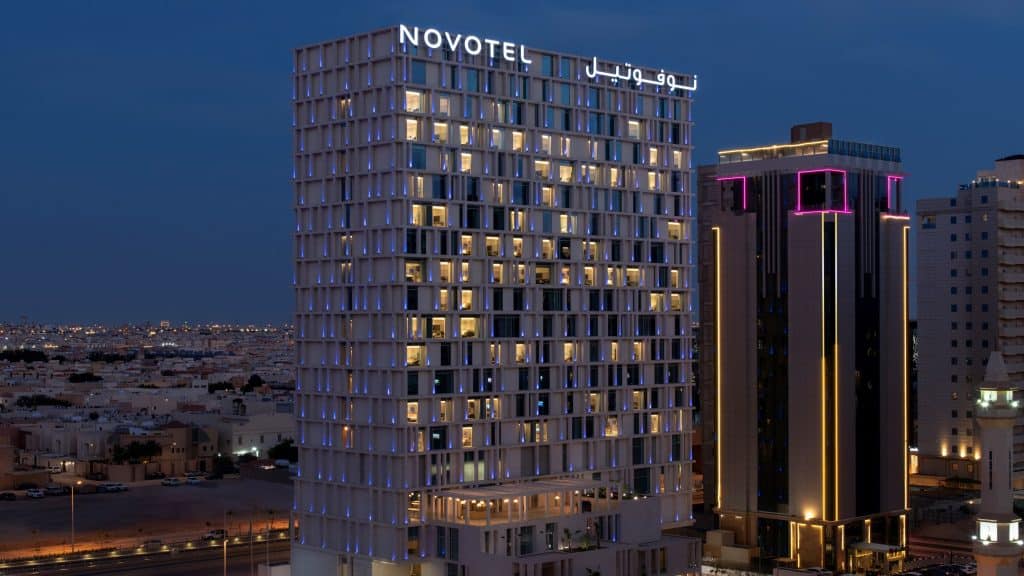
Saudi’s evolving market is being met with brand debuts, conversions and hybrid formats tailored to both location and guest type. Stevens says: “We’ve hit the ground running in Saudi Arabia and we’re not easing up. The scale, pace and diversity of our openings and brand introductions reflect our long-term confidence in the Kingdom’s trajectory.”
He shares that projects such as Novotel Riyadh Sahafa “are strong proof points”. He further explains: “They’re not just more rooms, they’re smartly positioned assets aligned to real market need.”
At the same time, Accor is expanding its brand breadth. The COO notes that the debut of Handwritten Collection in Al Baha brings curated, personality-led hospitality to a culturally significant secondary city, while Riyadh’s King Salman Park is set to welcome TRIBE and TRIBE Living — new lifestyle concepts designed for younger, urban travellers.

Conversions remain a critical growth lever for Stevens. Brands like Mercure, Mövenpick and Handwritten Collection aim to appeal to independent hotel owners looking to scale up without major redevelopment.
Stevens adds: “The recent Mercure Khamis Mushayt conversion, under our partnership with Amsa Hospitality, is a great example — a nimble, locally-rooted execution that brings global consistency to an emerging destination.”
Highlighting that extended stay and premium formats are gaining ground — particularly in business hubs like Riyadh and Dhahran — Stevens and his team are leveraging brands such as Novotel Living, Pullman Living and Adagio to meet this demand with offerings that blend commercial efficiency with lifestyle-driven appeal.
He adds: “With 44 hotels in the pipeline across 15 brands, from Fairmont and Raffles to ibis Styles, our strategy is crystal clear. Match brand to market, deliver operational excellence and lead with relevance.”
Rise of the middle-class traveller
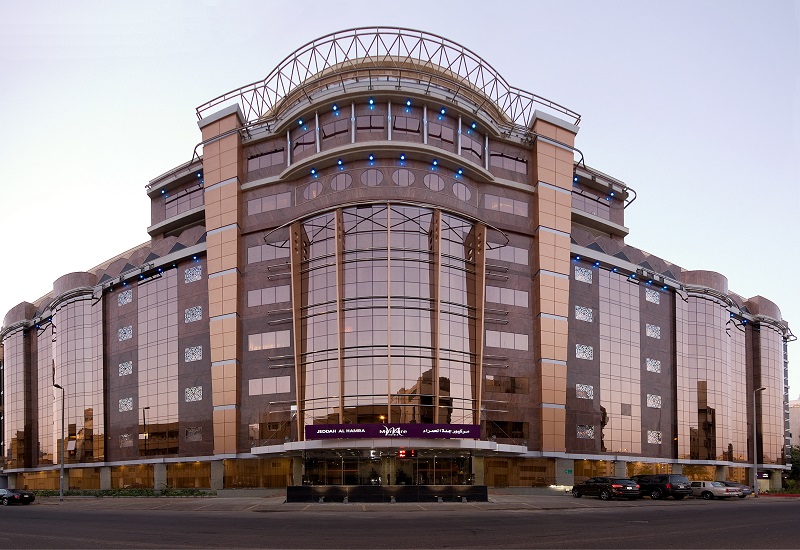
The rise of the middle class across Saudi Arabia and the wider Middle East is reshaping not only who is travelling, “but why and how they choose to do so,” says Stevens. “The growing middle class across Saudi Arabia and the wider region is more discerning, more connected and more purpose-led than ever before. For us, this shift is driving significant momentum in the midscale and economy segments — both in terms of strategy and guest behaviour.”
This evolution is clearly reflected in Accor’s pipeline activity. Stevens notes: “Two out of every three openings across the region now fall under the midscale or economy categories and that’s not just market momentum, it’s strategy.”
He explains that experience now outweighs excess. Travellers are increasingly seeking stays that are personal, locally embedded and emotionally resonant. He adds: “Brands such as Mercure and Novotel are answering that call. Recent openings and conversions act as cultural gateways, where cuisine, rituals and design all speak to the destination’s soul.”

Observing that guests are evaluating value through a broader lens, Stevens notes that beyond price, they are weighing authenticity, sustainability, digital ease and community impact.
He shares: “That’s why we’re integrating more tech-enabled personalisation, investing in eco-conscious operations and focusing on uplifting local talent and communities. Ultimately, this isn’t just a growth story, it’s a values story. The rise of midscale and economy demand reflects a deeper desire for purposeful, connected travel.”
The hospitality brand’s midscale brands aim to resonate with a new generation of regional travellers who value culture, convenience and conscious choices. “Midscale is no longer a compromise, it’s a conscious choice,” says Stevens.
Novotel continues to build strong brand equity, particularly in cities like Riyadh, Dhahran and Rua Al Madinah, where demand is rising among families, business travellers and digital nomads. Stevens says: “What’s really driving loyalty is Novotel’s ability to evolve is offering extended stay formats and designing shared spaces that encourage interaction, relaxation and balance.”
Meanwhile, Stevens claims that Mercure is winning over guests with its localised approach. He shares: “From Mercure Dubai Deira to Mercure Riyadh Al Anoud, properties are being shaped to reflect their surroundings through thoughtful design, locally rooted cuisine and warm, culturally aligned service. These hotels aren’t just functional; they’re culturally expressive, emotionally engaging and environmentally aware.”

The COO is also seeing growing excitement around their newer lifestyle-driven midscale brands, such as the Handwritten Collection and TRIBE. These concepts are designed to speak directly to modern travellers who value individuality, community and sustainable design.
Upcoming properties like the Handwritten Collection in Al Baha and TRIBE at King Salman Park in Riyadh exemplify how the group is responding to this evolving demand. Ultimately, the group’s focus is on flexibility, local immersion and purpose-driven hospitality, all underpinned by smart digital integration and strong value. Stevens adds: “That’s how our midscale brands are not just staying relevant — they’re setting the pace.”
Strengthening Saudi presence

Stevens’ strategy for Accor in Saudi Arabia is closely aligned with the ambitions of Vision 2030, focusing on tourism, hospitality and workforce development as key pillars of national transformation. He says: “We’re not just expanding our footprint in the Kingdom — we’re contributing to the national transformation by embracing strategic partnerships and delivering on the promise of a vibrant, sustainable tourism sector.”
A core part of that alignment is the group’s commitment to local talent development, led by its flagship national development programme, Tamayyaz. Stevens explains: “At Accor, we’ve always believed that our greatest asset is our people and in Saudi Arabia, that belief comes to life through Tamayyaz. It’s more than just training, it’s a long-term career development pathway aligned with the ambitions of Vision 2030.”
Tamayyaz equips Saudi nationals with the tools, confidence and real-world experience needed to build sustainable careers in hospitality. “I’m proud to share that over 1,000 participants have already graduated, with many moving into leadership roles across our network,” Stevens adds.
Looking ahead, the goal is to see 3,000 Saudi talents benefit from the programme by 2030. But the group’s localisation efforts extend beyond numbers. “It’s not just about hiring, it’s about developing future leaders who will define the next chapter of Saudi hospitality,” he says.
Women’s empowerment is also central to this vision. Stevens and his team are advancing initiatives like #SheLeads, a networking platform launched in Saudi Arabia and Africa. He shares: “Designed to create intentional career pathways, it supports Heartists at all stages, particularly those at Level 7 and above, through virtual speaker series, roundtables and panel discussions. English tutoring sessions in Madinah will soon complement the initiative, helping female team members enhance guest interaction and boost confidence.”
Complementing this is the Women in Hospitality programme, which focuses on accelerating high-potential female leaders into GM or operational roles within 18 months through executive mentorship, group coaching and support in building executive presence.
The expansion in Saudi is broad-based, spanning both luxury and midscale segments, while also reinforcing its role in cultural integration and community impact. Stevens notes: “Our hotels are designed to be more than just places to stay — they’re integral to creating meaningful, authentic travel experiences that align with Saudi’s ambitions of becoming a top global destination.”
To support this momentum, the team has established a dedicated Saudi office and appointed a VP of development to lead its efforts on the ground. He elaborates: “Having a local presence with a focused leadership team ensures we can respond quickly to opportunities, adapt to the local dynamics and build meaningful, long-term relationships with key stakeholders, including government entities, investors and developers.”
Strategic value in secondary cities

According to Stevens, scaling profitably in Saudi’s emerging and tier two cities is rooted in localisation, adaptability and operational discipline. These markets — many of which are undergoing major infrastructure growth — offer immense potential, but require a focused, tailored approach.
A key part of the strategy, as highlighted by Stevens, is building a balanced brand portfolio that delivers value across customer segments. He explains: “In these cities, we focus on expanding our midscale and economy brands, which offer exceptional value and cater to a broad range of both business and leisure travellers.”
Equally important is cultural relevance. He adds: “We ensure that we’re aligned with the specific needs and aspirations of each location. This means adapting our offerings to the local culture, preferences and tourism needs.”
Noting that local partnerships also play a critical role, Stevens further shares that the group collaborates with developers, investors and community stakeholders to accelerate project delivery and maintain high standards. This shared commitment reduces development risk and ensures on-time openings.
Stating that technology and scale are leveraged to support profitability and guest satisfaction, he adds: “By leveraging Accor’s scale, we can optimise costs, streamline operations and utilise our global distribution network to drive bookings. The ALL (Accor Live Limitless) loyalty programme is another important asset in cultivating repeat business and long-term guest value.
“Ultimately, driving profitability in emerging cities is about being agile, understanding local demand and leveraging Accor’s global capabilities to deliver high-quality hospitality that meets the needs of today’s diverse travellers.”

Stevens also highlights that international hospitality brands play a crucial role in shaping the long-term development of destinations and instilling investor confidence, particularly in high-potential, fast-developing markets. He shares: “By establishing a strong presence in key destinations, we bring not only world-class hospitality standards but also the operational expertise, innovation and consistency that global travellers and investors expect.”
“We contribute to infrastructure development, create jobs and offer training and development opportunities, ensuring that the local workforce is equipped with the skills necessary to thrive in the hospitality industry.”
Investors benefit from the brand’s global reach, expertise and systems. Stevens notes: “They gain access to a global network, extensive market knowledge and advanced technological and operational systems. This not only reduces risk but also enhances the financial performance of their investments.”