

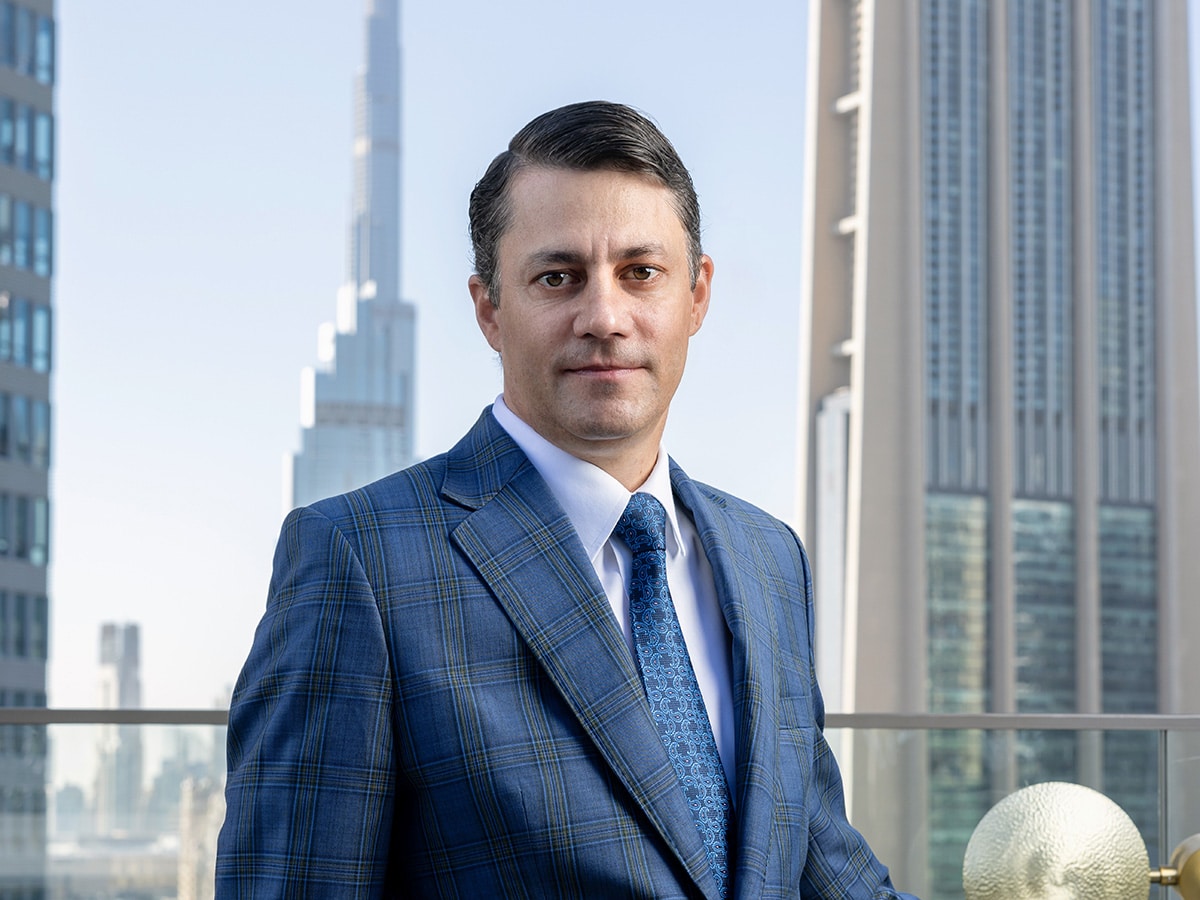
The Middle East is shaping the future of luxury travel — and Adrian Messerli, president of EMEA operations at Four Seasons, is paying attention. With rising demand for experience-led stays, high-impact wellness journeys, and emotionally intelligent service, the region is no longer just a growth market — it’s a benchmark for where luxury is heading next.
Speaking to Hotelier Middle East, Messerli reveals how Four Seasons is crafting deeper guest experiences across its regional portfolio, blending curated cultural discovery with intuitive, tech-enhanced hospitality. From chef collaborations in Dubai to marine conservation in the Red Sea, the brand is putting meaning before flash — and resonance before routine.
Designing for depth
Across Four Seasons’ Middle East hotels, experiences aren’t an afterthought — they’re a core business strategy. Whether it’s private museum tours in Egypt or biosphere hikes in Jordan, the brand is building travel moments that go beyond luxury accommodation.
“In Cairo, guests can embark on a tailored private tour of the Grand Egyptian Museum guided by a local expert,” says Messerli. “In Jordan, we offer guided trails through the Mujib Biosphere Reserve before guests float in the Dead Sea. These aren’t just tours — they’re ways to truly connect with place and people.”
At the Bosphorus property in Istanbul, a private sunset cruise offers an unexpected way to view the city. “We design journeys that are emotionally rich and culturally rooted,” he says.
For Messerli, local partnerships and cultural storytelling are not trends — they’re foundational. “At Four Seasons Riyadh, we recently partnered with Saudi label Dar Al Hanouf and Art of Heritage, led by Princess Nourah Al Faisal, to unveil a capsule fashion collection,” he says. “Guests stayed in our Kingdom Suite and had private Suhoor sessions while meeting with tastemakers.”
The brand’s Dubai team meanwhile collaborated with couturier Maison Rami Kadi to launch a couture-inspired Ramadan experience, with proceeds supporting Dubai Cares. “These activations celebrate local artistry while driving real social impact,” he adds.
Luxury is no longer gold-plated surfaces, says Messerli — but care, authenticity, and memory. “The definition of luxury has changed,” he explains. “It’s no longer about opulence — it’s about how you make people feel. It’s emotional, intuitive, and personalised. Guests want experiences that are meaningful and moments that stay with them.”
This is where Four Seasons’ service philosophy, The Golden Rule, comes in. “Treating others how you’d like to be treated isn’t just a motto — it’s how we empower teams to deliver personal, thoughtful hospitality,” he says.
The experience economy
In the Middle East, Four Seasons’ villas and branded residences are rising in popularity — especially for multigenerational or group travel. With over 900 villas and residences globally, the brand is optimising this segment. “Villas offer privacy and views; residences offer hotel amenities with the feel of home,” Messerli explains. “Families, extended groups — they want connection, comfort, and space. We give them that.”
The experiential guest profile isn’t just leisure anymore — it’s bleisure, wellness-focused, and intergenerational. “Guests are blending work with wellness, culture with family, and exploration with purpose,” says Messerli. “It’s no longer about either/or — it’s all of it.”
Tech is helping scale that curation. “Our Four Seasons App and Chat tool aren’t chatbots — they’re real team members communicating in real time,” he says. “The technology supports the guest experience without removing the human element.”
The food factor
Food is another key touchpoint in Four Seasons’ experiential strategy. From high-concept launches to hyperlocal sourcing, every meal tells a story. “In Qatar, we recently launched Maison Nicolas at The Pearl — a pâtisserie and chocolate atelier led by Chef Nicolas Rouzaud. In Riyadh, Café Boulud uses Saudi seasonal ingredients, and will soon be joined by Julien, a hidden dining space led by Chef Thierry Motsch,” he shares.
Cross-border chef collaborations are also a focus. “For Easter, our Dubai pastry chef Nicolas Lambert worked with Pierre-Jean Quinonero from Cap-Ferrat to create a joint dessert celebrating both destinations.” Upcoming culinary launches, such as Bar Saikindō in Abu Dhabi, blend Japanese street food and Hi-Fi culture for a multi-sensory dining experience.
The next chapter
Moving ahead, the next frontier is a wave of ambitious projects across the GCC. “Saudi Arabia is entering a new era of hospitality,” he says. “At Shura Island, our Red Sea resort will include marine discovery centres, coral reef dives, and family adventures. At AMAALA, it’s about wellness: horse riding, mountain biking, nature treks.”
Four Seasons Hotel Madinah will offer “elegant hospitality just steps from Al-Masjid an-Nabawi,” while Ras Al Khaimah’s new resort will “capture the emirate’s untapped potential for ultra-luxury travel.”
“In Ajman, we’re opening a luxury resort in Al Zorah, a coastal sanctuary just 35 minutes from Dubai airport. Villas, guest rooms, spa — urban accessibility meets natural serenity,” he shares. “We’re building the next chapter of luxury hospitality in the Middle East — not just through product, but through connection,” says Messerli. “It’s not about more — it’s about more meaning.”