Chefs are frustrated with the lack of skilled applicants for the F&B industry and have called for better facilities and programmes to combat the issue.
In the Caterer Middle East Head Chef Survey 2014, 59.4% of respondents said ‘labour shortages’ was one of the issues affecting the performance of their outlet, and when asked what challenges they anticipated facing over the next 12 months, one said: “Shortage of skilful, trained and passionate chefs.”
Furthermore, Caterer asked the chefs what they needed to do their job better, and a majority of the answers had to do with trained team members. These included: “trained professionals”, “availability of the qualified applicants within the region”, “more culinary training facilities to bring young chefs into kitchens having had the basic background training”, and “quality of staff”, among others.
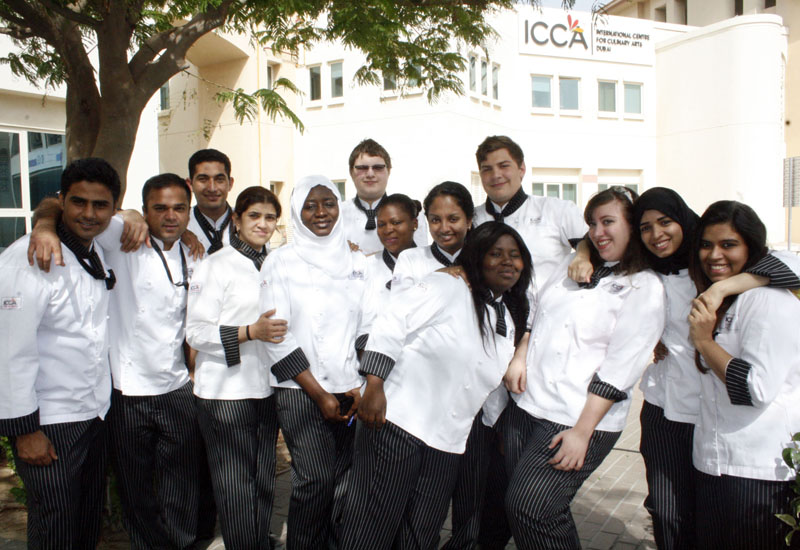
UAE-based School of Culinary and Finishing Arts (SCAFA) school director Francisco Araya said it is not only in this region but all over the world where extra training is needed. However, he said all is not lost: “I believe that the situation we have in the UAE now with ICCA, SCAFA, and EAHM… I think our students are quite different than what they were used to getting.
“My impression is that every time I send the students even for an apprenticeship, then after three weeks, he or she gets the job afterward. I believe that locally we are doing it right.”
He explained: “I think that the main issue that I’m seeing is that the HR department of hotels don’t make a difference in salary – if someone is coming from a good school or from anywhere else. Once that is solved, for sure there’s going to be more people coming here.”
The Ivy Dubai general manager Nicola Robinson said finding people for any job is never easy, but is positive about it. She said: “It’s a question of approach and ethos. I think we’re lucky working for a massive corporation that has a support network that an independent restaurant might not.
“My personal feeling is you can’t teach x-factor but you can certainly teach someone to stack a plate. Brilliance, in the restaurant trade and hospitality, has to be nurtured as well. No matter what happens, someone comes into your business from somewhere else and they still have to adapt. Especially coming from a different market into Dubai, it has different demands.”
She added that if the management is prepared to spend the time looking for the right people, and nurturing them, “you will end up with a good product”.
F&B experts who met for the Chef & Ingredients advisory panel also brought up the issue, and said apprenticeship programmes were sorely needed. Jumeirah Hotels & Resorts group culinary director Christian Gradnitzer hinted that the group was working on one such programme to implement at its properties, which would push the cause for training even more so than before.
He said: “Be honest, how much time do we have to train commis 3s? I am working on an apprenticeship programme and I hope it pushes through.”
The Act Dubai head chef Roberto Segura however said it was imperative to have a unified training document, while The Capital Club Dubai general manager Emma Cullen said that since “there is such a big commitment to hospitality and not to have the infrastructure” is a problem the government should help address.
Read the full results of the Caterer Middle East Head Chef Survey 2014 in the September 2014 issue.