


Another jam-packed day at ATM, the second day brought enlightening conversations, growth predictions for the region and other food for thought.
Here are some highlights from panel discussions and other conversations during day two at ATM.
Balance growth with the best interests of local communities
Hotels are balancing growth in consideration of the local communities, thinking more about what matters to locals and how the growth of their business impacts them. As tourism destinations in the GCC continue to grow, involving local communities in destination development has become increasingly vital for long-term success.
In a panel discussion today, industry leaders discussed how the revitalisation of destinations must align tourism investments with community partnerships, cultural authenticity, and immersive guest experiences to sustain long-term growth and provide lasting value for both residents and visitors.
Abdulaziz Alkhoori, executive director of group strategy & transformation, Miral, said: “If I start by quoting Sheikh Zayed bin Sultan Al Nahyan, the Founding Father of the UAE. He said the most important asset of any advanced nation is people. It is all about people. Emiratisation is a very important initiative for the Miral Group. Our development and training programmes aim to support people from pre-graduation all the way to executive leadership across the sector.”
Hotels need to reduce food waste and adopt a more circular approach
We all know that food waste is a challenge in the hospitality industry. However a discussion today urged hotels to reframe their thinking on the topic, and see it as an opportunity. Just like having unsold rooms, it’s a chance to find a solution.
Highlighting the role of local engagement, Enas Sobhy Ali, head of corporate social responsibility, Tadweer, shared how hotels can drive food waste initiatives: “I believe that one of the key challenges in the hospitality industry is the disconnection between operation and impact. The priority for the hospitality industry is customer satisfaction, which can lead to overproduction and significant food waste from hotels.”
She shared how one of the most effective and simplest ways for hotels to address this is to start introducing waste auditing in the kitchen and sorting waste at the source. “What’s measured can be managed,” said Ali.
Auditing and tracking food usage will provide hotels with the data to help them become more efficient. Ali shared how hotels and tourism companies that partner with Tadweer are able to implement more circular economy practices. Through the partnership, food waste it collected and converted into rich fertiliser that is then used in the UAE farms growing food.

Dr. Amal Albedwawi, senior food safety specialist, UAE Food Bank, shared a government initiative the company is piloting, featuring community fridges. Surplus food is collected directly from hotels, packaged properly and stored in these fridges. Using their IDs, workers can collect food from the fridges and enjoy the meal that otherwise would have gone to waste.
Albedwawi expressed how collaborating with hotels posed a challenge at the beginning, as there are frequent questions about how the food is treated and whether the hotel would face backlash if the food gets spoiled. However, she shared that the food is treated according to UAE food safety standards and there is no risk to hotels.
“As the UAE Food Bank, the main challenge we face when it comes to rescuing and recycling food from hotels and hospitality entities is the many different management approaches within the industry. Each hotel operates separately from one another, so we need to explain the merits of recycling food waste to each manager individually. We try to make them understand that we work closely with the Food Safety Department to ensure that the participating hotels will not undertake any risk by participating in our food bank programmes,” said Albedwawi.
Trends report: leisure, luxury and MICE in the Middle East
Dave Goodger, managing director, EMEA at Tourism Economics shared insights on current and predicted travel trends. While previously domestic travel in the Middle East outweighed international, its now on par as a greater number of people are prioritising travelling to the region.
Over the next five years, more than 85 percent of the expected growth in Middle East accommodation demand is predicted to come from international travel. Visits to see friends, relatives and also religious tourism – which broke records recently during Ramadan – will continue to grow.
Goodger revealed that travellers coming to the Middle East are three times more likely to seek out luxury experiences – which the region is well-equipped to provide. He shared how the Middle East is increasingly attracting a wider demographic – in particular young travellers and the emerging middle class who are in better financial positions. This demographic also has a higher ability to extend business trips, increasing ‘bleisure’ travel.
What does ‘lifestyle’ actually mean?
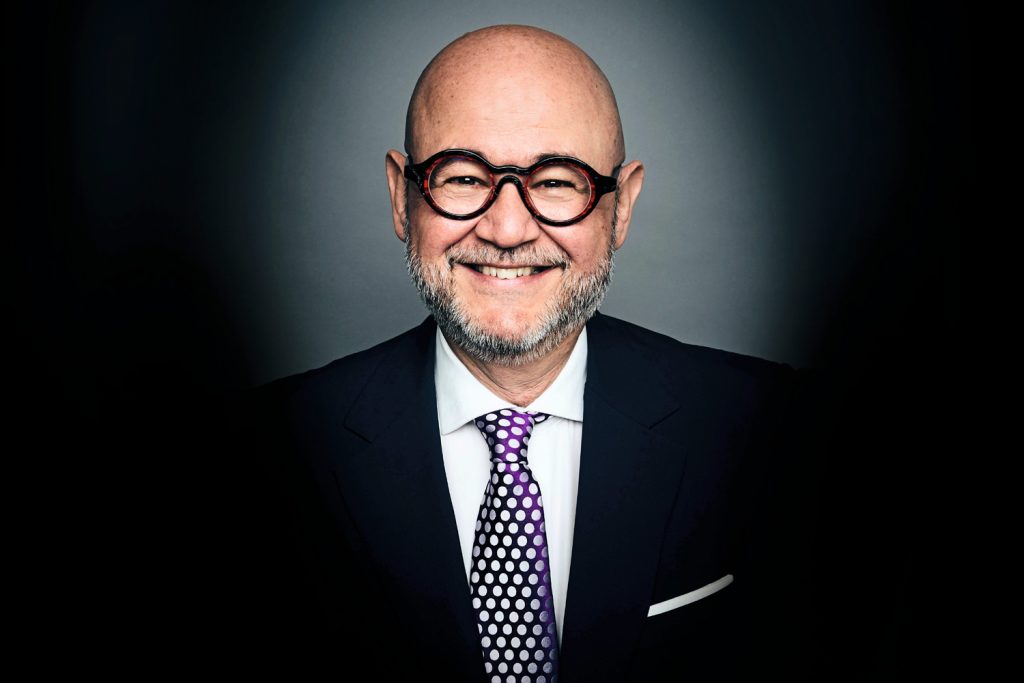
Interesting questions were posed from someone who knows the industry inside out, and always inspires in every conversation. Dimitris Manikis, president EMEA at Wyndham highlighted the fact that while everyone talks about lifestyle and personalisation in their hotels, do we really know what that means? The more these terms are used, the less meaning they have, he remarked. Every guest has their own routine and style of living, so how can one hotel accommodate all these different lifestyles? It’s certainly something to think about when designing strategies to improve personalisation during a guest’s hotel stay.
Manikis also shared a little tip on how to run a hotel. A common question people ask hotels is what’s going to change next, what’s the next phase of development? Manikis believes it’s important to instead consider the 10 things that never change – staples like being greeted with a smile when you enter a hotel and having a comfortable bed to sleep in. Once you have those 10 unchangeable factors, you have a solid core that provides constant quality, which the rest of the business can be built around.


