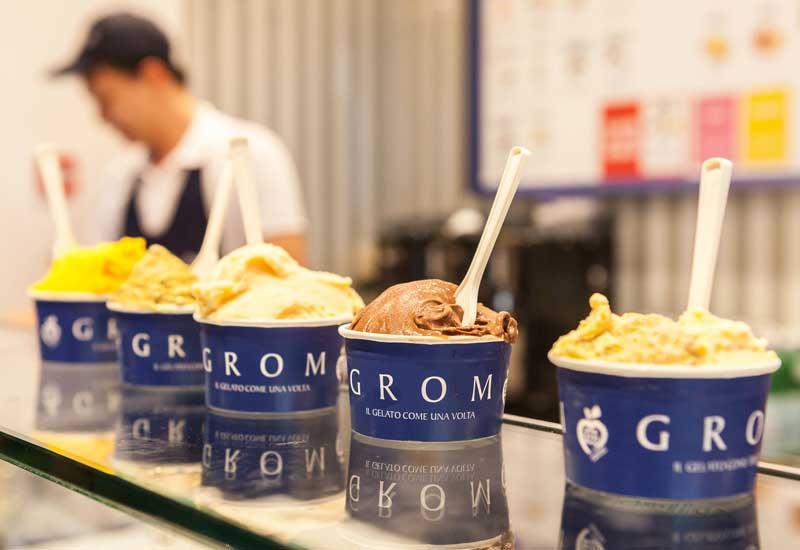
What better time to talk about sensory branding than in December? Just venturing out of the house at this time of year can result in total sensory overload, thanks to retailers relentlessly trying to sell their Christmas wares, and a trip to the mall can be overwhelming.
Sensory branding should not actually be overwhelming, however. The problem at Christmas is that everyone is using the same sensory stimulants: cinnamon and orange-scented candles, pine, gingerbread houses, reds, greens and golds… and it becomes a bit all-consuming.
Christmas aside, let me start at the beginning and define what sensory branding is. It may be a term you are already familiar with, and is one that is widely used in the marketing and advertising departments of global brands. However, it is still a relatively new concept and many have yet to achieve a full sensory customer experience. Described as the utilisation of stimuli designed to be directly related to a particular brand, it is a natural process of using five senses to increase brand awareness.
Sensory branding is an important part of the brand identity. Scents, flavours and textures work alongside visuals to create strong brand awareness. These help to build emotional connections with consumers and encourage repeat visits, as well as influencing word-of-mouth and social media promotion.
Scientific studies have shown that smell and taste are directly connected to the part of our brain responsible for emotions and memories, whereas words and pictures are processed in the part of the brain responsible for rational thought.
This means that some senses have a more direct and emotional impact on us. Scent, for example, is particularly effective at triggering personal memories and influencing purchasing decisions.
Other studies have shown that brands using integrated sensory techniques are more successful than brands using just one or two. The more senses a brand can engage, the more loyal customers tend to become to it. We also know that 95% of human communication is subconscious, and 80% is non-verbal, so by employing scent, sound and tactile elements in immersive customer experiences, stronger connections are established between a brand and its customer, driving greater brand preferences and advocates.
A unified strategy is essential for sensory branding to be effective and result in a truly memorable brand experiences. To ensure this consistency, several factors are important. Consider the required brand positioning and what might be the most suitable sensory elements (signature scents, flavours, music design, sonic logos, etc.). Test sensory elements for their target audience appeal, and optimise them through customer experience mapping.
This requires a great team effort. Marketing teams must work closely with architects, designers, and all personnel responsible for delivering the customer experience, in order to grasp the multi sensory dimensions.
Used correctly, sensory branding is an incredibly strong relationship-building tool, and one that can underscore your brand’s values and character, while enhancing each customer’s experience. This will ensure that your message is heard above all of your competition.