

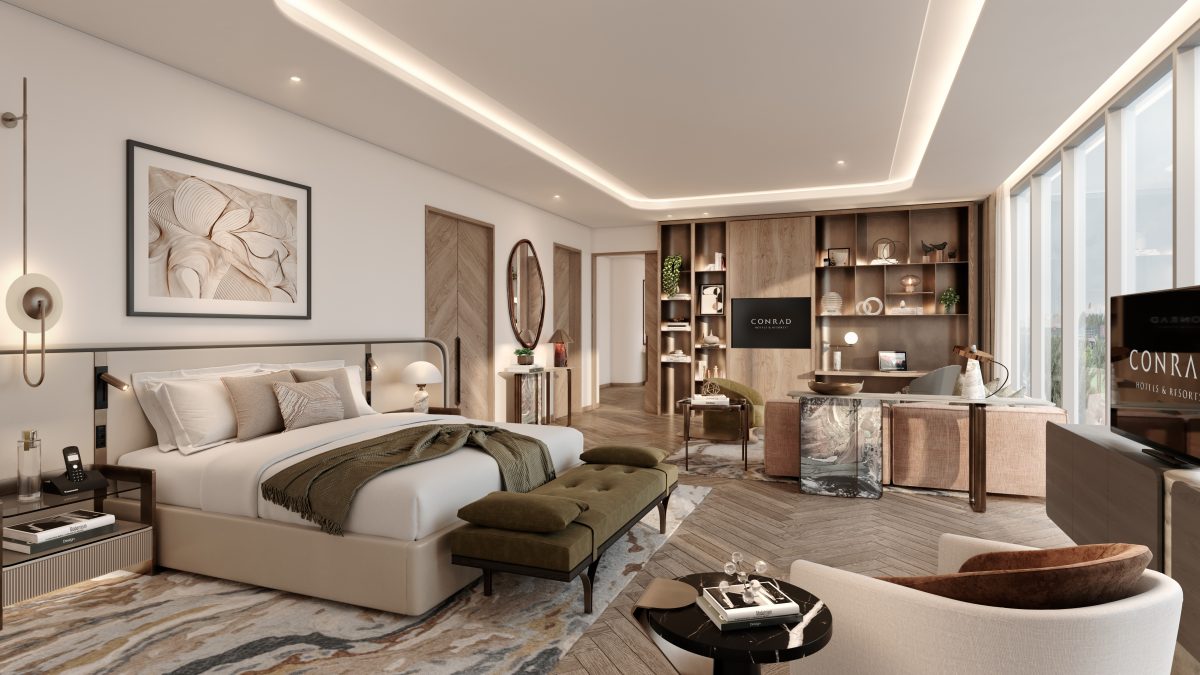
Saudi Arabia is now Hilton’s largest growth market in all of EMEA, where it plans to open over 50 additional hotels. In addition to headline projects such as the Waldorf Astoria in Diriyah and the Hampton by Hilton in NEOM, the operator has signed three more hotels in the Kingdom as it sets its sights on quadrupling its presence there.
The latest of these signings include Conrad Hotels & Resorts entry into the Saudi capital with Conrad Riyadh Laysen Valley, which is set to open in 2025. Hilton’s growth continues in secondary cities as well, with the recent signings in Abha, Hilton The Point Residences and Canopy by Hilton The Point, both due to open in 2026. Canopy by Hilton Port Jeddah will open in 2028.
Hilton currently operates 16 hotels in Saudi Arabia, including Waldorf Astoria Jeddah – Qasr Al Sharq, Conrad Makkah, and Hilton Riyadh Hotel & Residences.
Carlos Khneisser, VP development, Middle East & Africa, said: “Saudi Arabia’s rapid evolution continues to provide exciting growth opportunities for Hilton, and we’re working closely with our owners to introduce more award-winning hospitality brands in existing and new locations throughout the country. These latest signings are strong examples of our diversified growth in up-and-coming, large-scale developments such as Laysen Valley in Riyadh and our commitment to unlock tourism potential in the secondary cities.”

Hilton’s KSA signings in detail
Conrad Riyadh Laysen Valley
The Conrad in Riyadh will have 170 keys and slot into the city’s mixed-used Laysen Valley development opposite the diplomatic quarter.
Hilton The Point Residences and Canopy by Hilton The Point
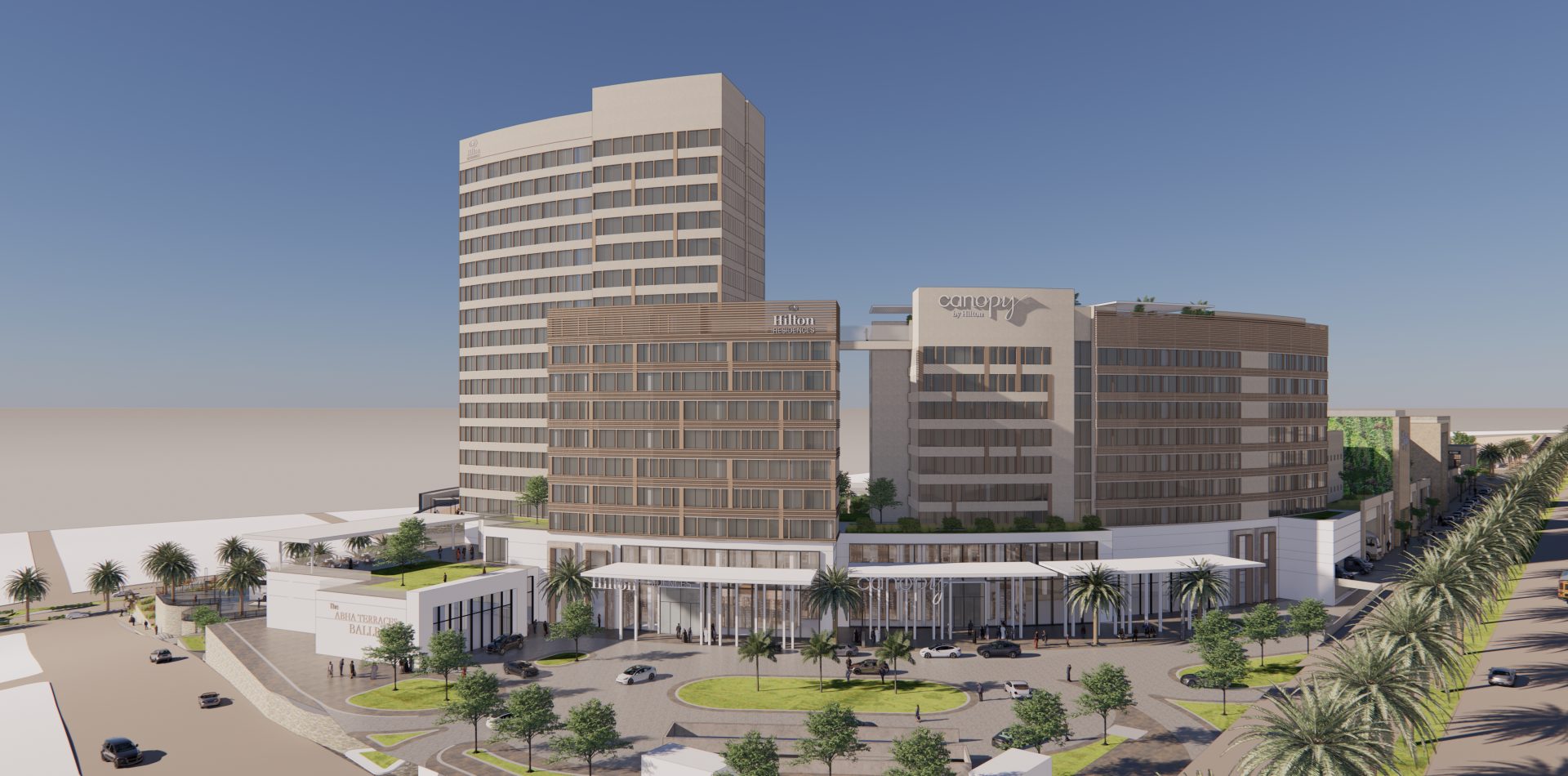
Elsewhere, Hilton will establish two new hotels in the city of Abha, as part of the ‘Abha Terraces’ project. These hotels will operate under the Hilton Hotels & Resorts brand and the trendy Canopy by Hilton brand. The deals were inked with the Real Estate Development Fund Company, which comprises unit-holders from SEDCO and the Tourism Development Fund and is managed by Saudi Fransi Capital.
This development comes on the heels of Hilton’s MoU with the Saudi Tourism Development Fund. Through this partnership, Hilton aims to contribute to the creation of iconic leisure tourism destinations within Saudi Arabia.
Hilton The Point Residences and Canopy by Hilton The Point will feature a combined total of 250 guest rooms, suites, and residences.
Canopy by Hilton Port Jeddah

Canopy by Hilton Porta Jeddah will feature 183 guest rooms and 55 residences.
Chris Nassetta on Saudi Arabia
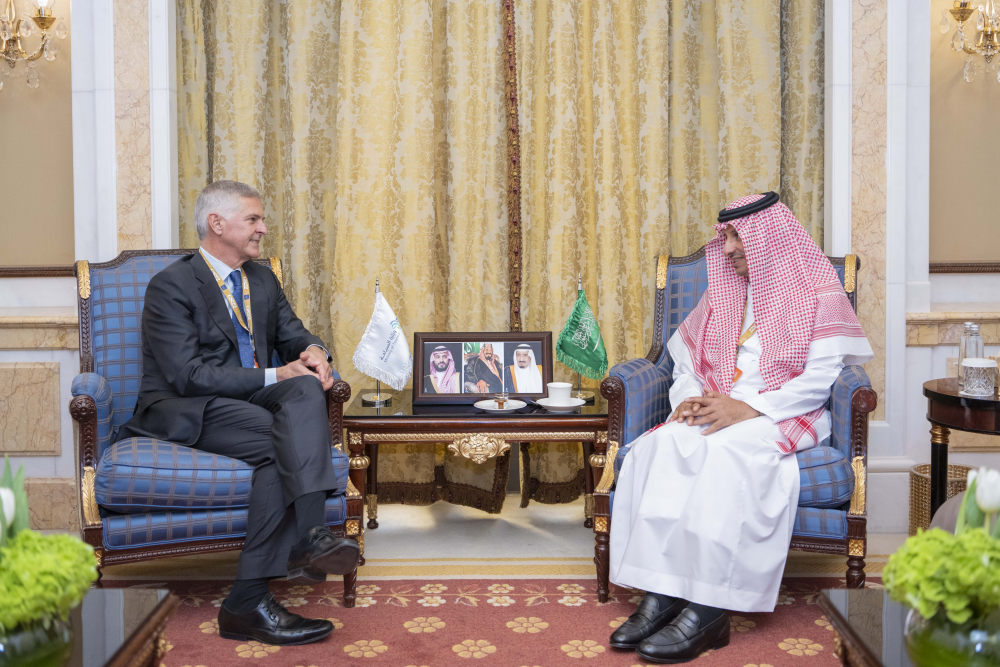
During a visit to KSA last year, Hilton’s CEO and president Chris Nassetta said of the Kingdom: “The strength of Hilton’s partnerships in Saudi Arabia is testament to the government’s strategic vision and the incredible progress being made to develop the country’s tourism infrastructure, paving the way for a new golden age of travel.”
How Hilton grows
Reflecting the group’s development direction, Khneisser told Hotelier Middle East in 2021 that the Kingdom’s secondary cities are helping Hilton super-charge its growth.
He said: “Nowadays, Saudi Arabia is making strides in its tourism sector, and those secondary cities would be great for our upscale and mid-scale brands. The giga-projects have significant investment, and most of the investment is going into luxury there.
“With that in mind, it’s probably not justifiable to invest into luxury within secondary cities. Saudi Arabia is full of pockets of history, and the elevation of its tourism sector isn’t just about the giga-projects, but the country as a whole.”
You can read the full interview here.