

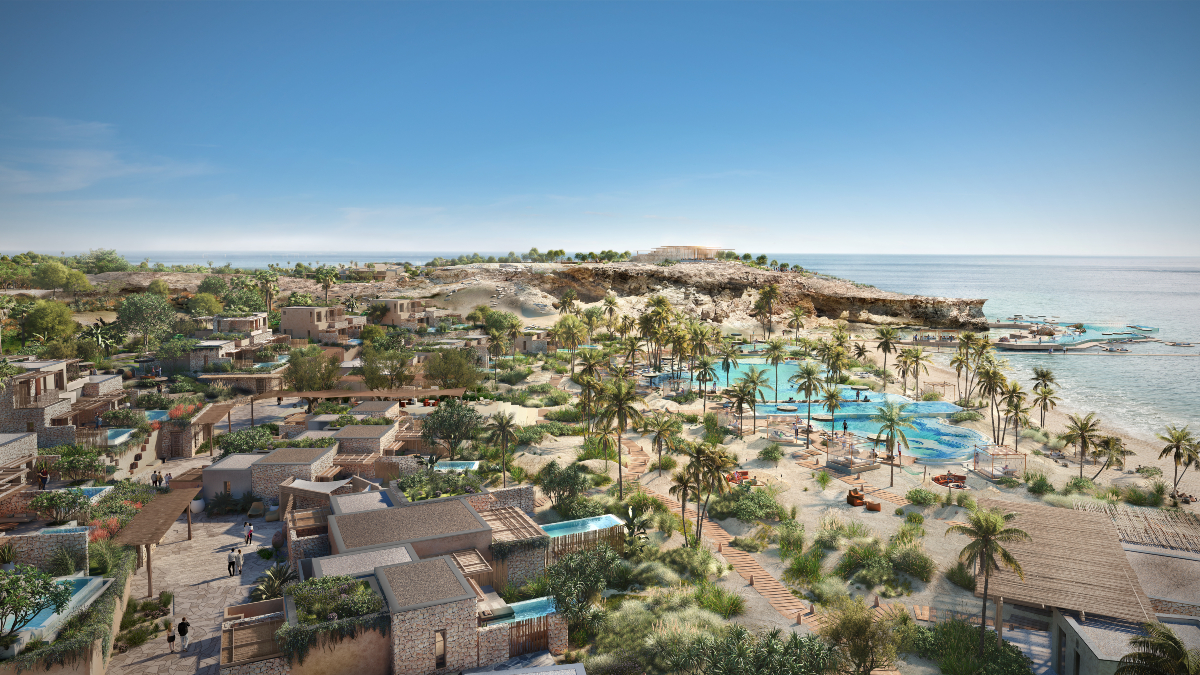
A Six Senses hotel and residences is on the way to Amaala, the wellness-focused giga-project at the Red Sea. Six Senses is IHG’s most luxurious brand and its most health and wellness conscious, too.
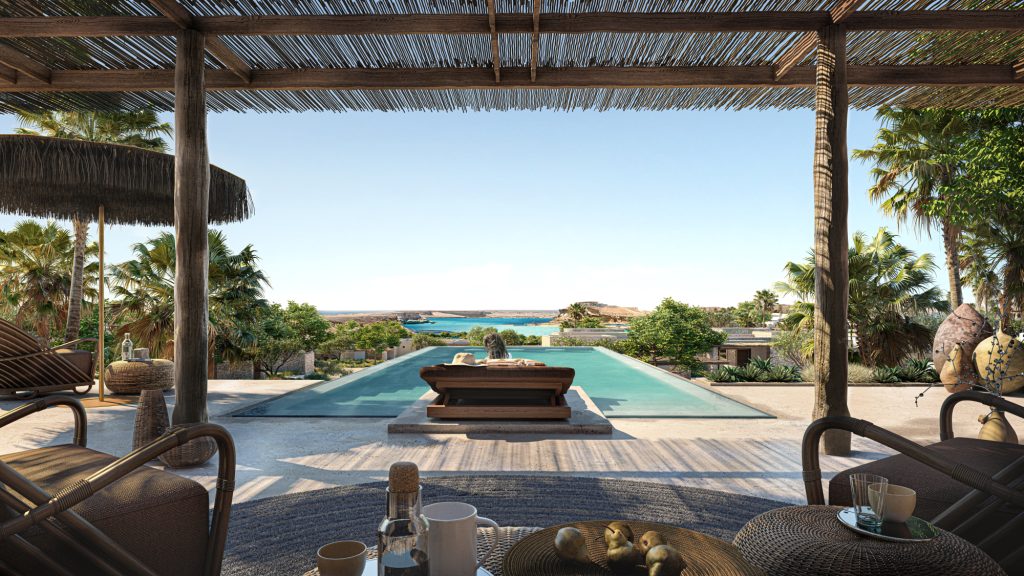
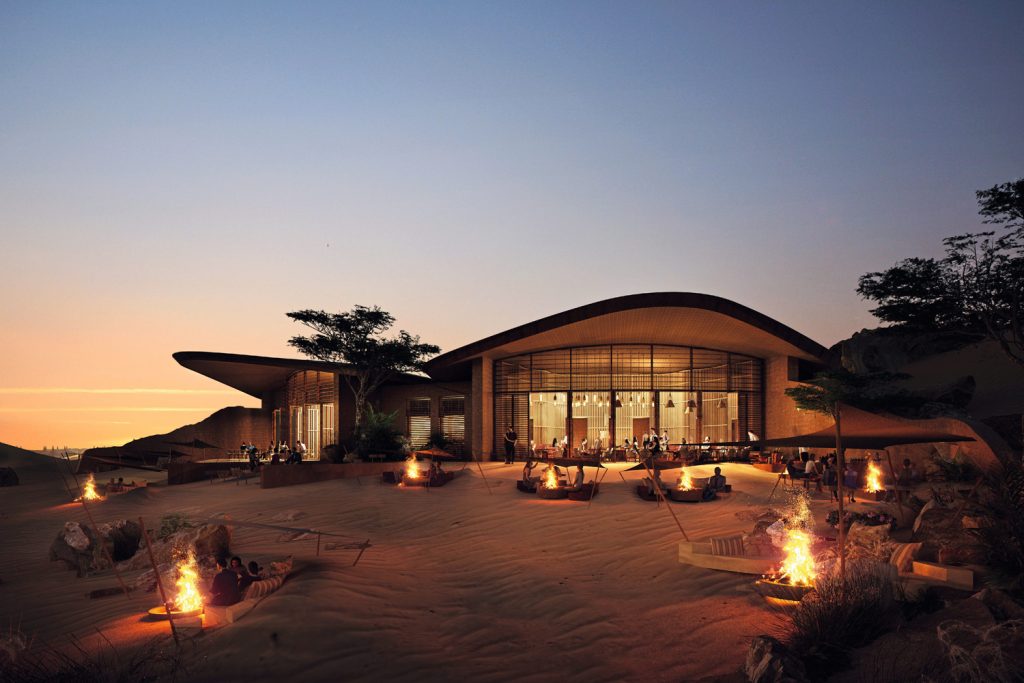
The 64 rooms, six suites, 30 villas, and 25 branded residences, designed by architects U+A and interiors by Studio Carter, are inspired by the region’s traditional coastal villages, which integrates with the topography and use locally sourced materials.
Spa facilities will include a cryotherapy chamber, longevity clinic, and male and female thermal areas featuring Finnish and infrared saunas, herbal steam rooms, salt rooms, vitality pools, and ice baths. The Watsu pool, sound dome, yoga platform, and multi-sensory relaxation areas will all be used.
Sustainability is at the core of every facet of the resort’s building and operating practices. This includes a dedicated desalination plant that has zero impact on the pristine coral reefs and a ban on single-use plastics. All wastewater and organic waste will be used for agriculture and the organic farm. Energy requirements will be met using renewable sources in line with the development’s zero carbon footprint. With the ambition to become a top diving and yachting destination, emphasis has been placed on conserving the marine and coastal ecosystem.
“We are connected by a shared commitment to the practice, appreciation, and advancement of arts and culture, wellness, and environmental preservation,” said Six Senses CEO Neil Jacobs. “Six Senses Amaala is part of a holistic hub for the arts, a leading diving destination, an extension of the Mediterranean yachting corridors, and an integrated wellness community, all of which we hope inspires guests to embark on transformative personal journeys.”
John Pagano, group CEO of Red Sea Global, the developer behind Amaala, added: “I am delighted to announce this partnership based on shared values with such an iconic brand. The resort is situated within one of the most dramatic landscapes along Triple Bay, with a stunning backdrop of the bay itself and panoramic views of the pristine Red Sea coast.
“This announcement also comes at an exciting time as we are close to welcoming the first guests to Six Senses Southern Dunes, The Red Sea, which will open in the coming months. Our growing relationship with the Six Senses brand across our expanding portfolio reflects our belief in the quality of operations they bring to every property, and our shared commitment to protecting and enhancing the environment.”
What will Six Senses offer?
Led by CEO Jacobs, Six Senses is firmly rooted in sustainability and wellness. The brand has another hotel with developer Red Sea Global, operating the Six Senses Southern Dunes in the Red Sea giga-project.
This hotel, built inland, will be the first hotel to open in the Red Sea. The heart of the resort is the Oasis. Inspired by a desert flower, the base structure is modular. A precast system that ensures the building only touches the ground lightly to leave most of the site undisturbed, with minimal paving ensuring the surrounding pathways remain natural and authentic.
In a recent interview with Hotelier Middle East, Jacobs explained his brand in detail.
He said: “In our case, we have sustainability directors in every hotel. They sit on the executive committee and work with every department. They are the sustainability police, they keep the whole thing honest. It’s not simple, but over time, if the commitment is there, you will have results.”
You can read the full interview here.
What is Amaala?

The first phase of development is set for completion by mid-2024 and will consist of six hotels and roughly 1,000 hotel keys. When complete in 2027, it will offer approximately 3,000 hotel rooms in around 25 hotels as well as 200 high-end retail establishments, fine dining, wellness, and recreational facilities, set across three unique communities: Triple Bay, The Coastal Development and The Island.
It also includes a massive yacht club and a marine research centre.
Amaala plans to run on entirely renewable energy sources. It also aims to operate with a zero-carbon footprint and sustainably source 50 percent of all food by 2030.