

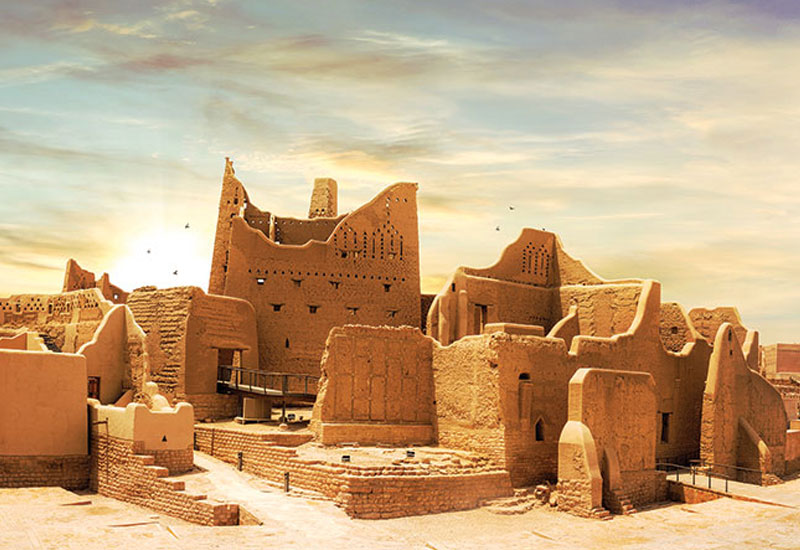
By 2030, supercharged by a string of investments, Saudi Arabia aims to welcome 100 million combined local and international visitors annually. According to the chiefs of the Kingdom’s upcoming postcard giga-projects though, visitation numbers are a “by-product” of the sites’ grander ambitions.
Those ambitions being to make Saudi Arabia the benchmark in sustainable and regenerative tourism. In an Arabian Travel Market 2022 featuring John Pagano, CEO, The Red Sea Development Company and AMAALA, Jerry Inzerillo, CEO, Diriyah Gate Development Authority, Andrew McEvoy, managing director tourism, NEOM and Phillip J. Jones, chief destination management and marketing officer, The Royal Commission for AlUla, leaders came together to reinforce their commitments to sustainability.
Giga-projects setting a global benchmark
Pagano said: “What we’re doing is looking to be a global benchmark for others to follow. Saudi Arabia has a very unique position – it hasn’t been exposed to tourism, it has pristine assets. We have pristine nature. We can do things differently.”
McEvoy added: “Tourism is not the enemy of the environment. Imagine if travelling was better for the planet than staying at home. We’re creating a net positive effect. We’re reforesting, regrowing, helping local communities.”

Both The Red Sea Project and NEOM are unwavering in their commitments to sustainability, using environmental practices, eco-friendly technology, and championing local talent and producers. The Red Sea Project alone, upon completion in 2030, the entire destination will comprise 50 resorts, offering up to 8,000 hotel rooms and around 1,300 residential properties across 22 islands and six inland sites. It will also include luxury marinas, golf courses, entertainment and leisure facilities.
Avoiding over-tourism
All these projects walk a tight line though, they must have international appeal, while not doing harm to the local environment.
Pagano said: “We’re controlling visitation not from pricing but from development. We’re only developing a small part of our land. I have 200,000 km of coastline on the red sea alone, that could reach 10s of millions of people, but we’re proactively monitoring the environment instead.”

To avoid what he calls over-tourism, Pagano announced last year his project would have an annual cap of one million visitors a year.
McEvoy added: “Tourism is not the enemy of the environment. Imagine if travelling was better for the planet than staying at home. We’re creating a net positive effect. We’re reforesting, regrowing, helping local communities.”
Jones – who sees AlUla as always a luxury destination – added: “There’s clear expectation that we deliver on time and budget. Our market is on the luxury end, we’ll never be a mass tourism destination. We don’t want people selling our product if they don’t know about it.”

The goals of Saudi Vision 2030
Inzerillo, who heads up Diriyah Gate, said: “Tourism numbers are a by-product of what we’re going after. NEOM for example has to be grounded in pride and history. Diriyah will be the centre and ancestral home of Saudi Arabia as Riyadh one day becomes the next Singapore.”
Responding to a question from Hotelier Middle East on whether Inzerillo would also place a cap on visitation, he said “Diriyah is sacred, it is not a theme park.”
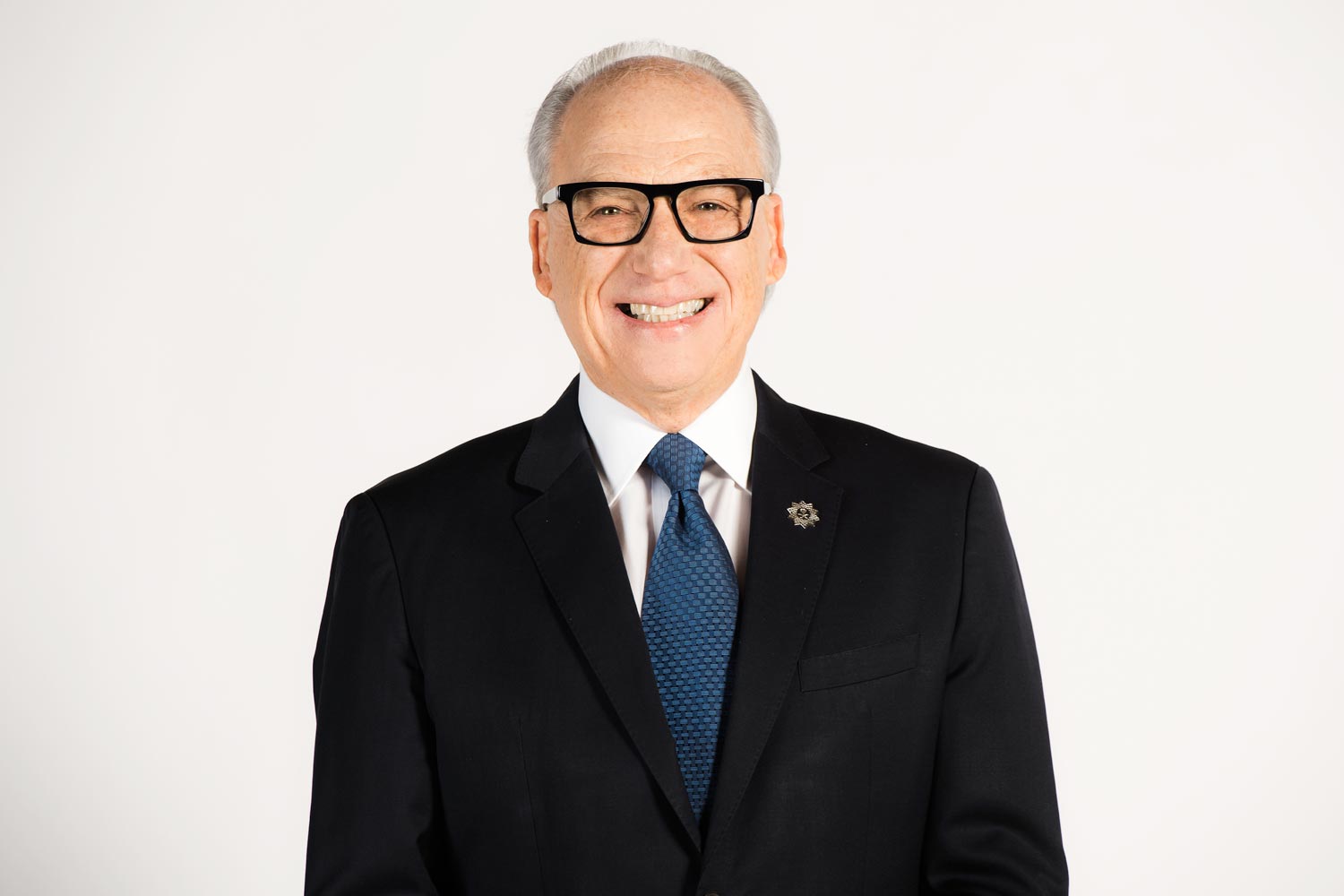
He went on to say Diriyah Gate will attract seven million people annually.