

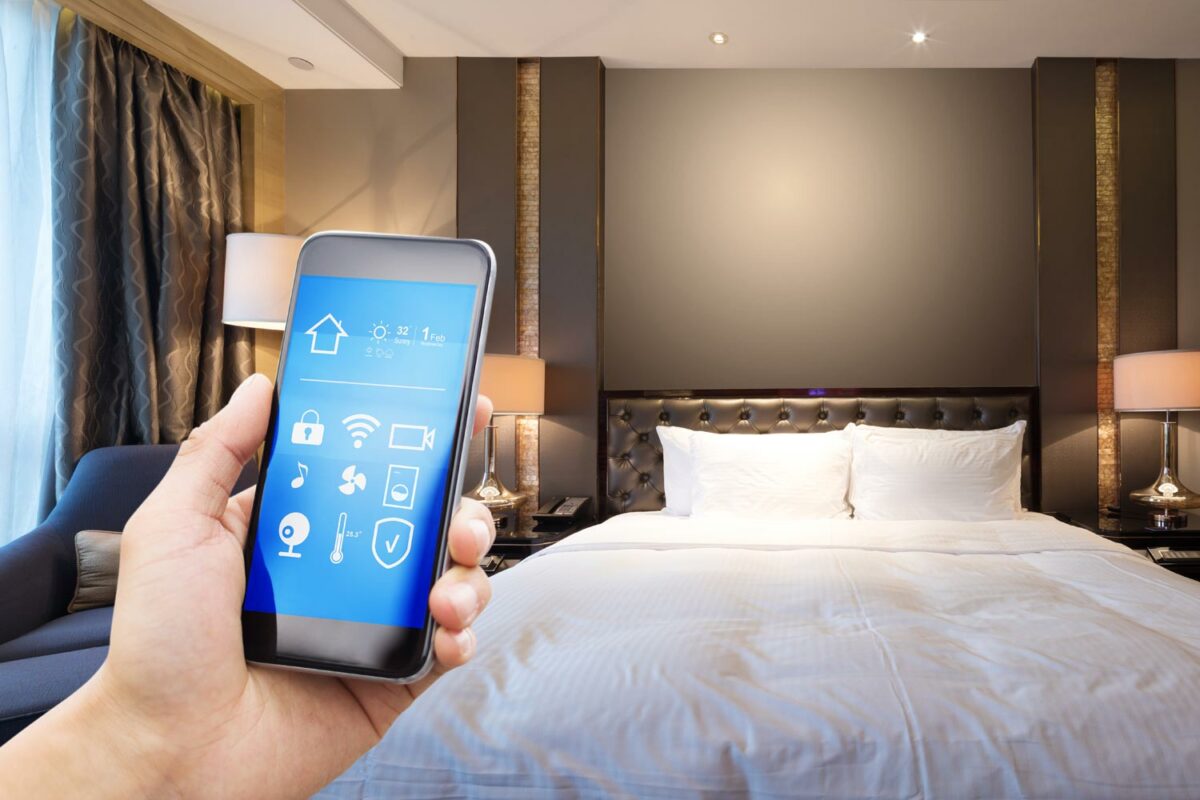
Using technology to deliver luxury customer service has felt like an impossible dream since the first housecleaning robot. Hotels in the upper echelons have traditionally rejected anything that they fear puts them at a remove from the customer, because who other than an exceptional human can deliver that exceptional service?
The pandemic has forced a shift in attitude towards technology, with guests demanding service at a sanitised distance, giving technology companies the chance to showcase how their products complement the human touch and drive increased revenue.
Boardrooms across the hotel sector have heard the growing call of “our guests want a seamless experience” and many hotel executives have wrestled with how to deliver it, particularly in a world where hotels are burdened with siloed and legacy technologies across the guest journey.
The luxury sector has attempted to achieve this by increasing the staff-to-guest ratio, developing policies and procedures and investing in expensive training programmes but they still fail to deliver across the entire guest journey where many elements are not in their direct control.
The heart of the issue is in the disparate systems that exist across the customer journey that are rarely integrated, have varied user interfaces, and hold differing profiles and preferences. Additionally staff attrition means constantly retraining new colleagues on these platforms to deliver for the customer.
Andrew Pirret, VP, Product, Alliants, whose clients include Four Seasons, Ennismore and Soho House, said: “Luxury hotels have been caught up in the belief that they have to interact with the guest and that the interaction has to be human to human, whereas the more convenient method for the customer is through messaging, or a platform of their choosing. It is the customer who is driving this change and the slow realisation on the part of the hotel that what is truly luxurious is being able to decide how you want to do things, not being told how and when you must communicate.
“Those interactions need not be robotic, then can be entirely human and, unlike waiting until the guest is on-site, can give hotels a chance to build a relationship ahead of the stay and facilitate all those factors which make the stay seamless and exceptional, learning why the guest is staying, arranging transport to the hotel, suggesting what they might like to do, realising that every customer is unique, and they want a different experience.
“Hotels have become too tied to perfection, to everything having to be done a certain way. For example, messaging is a format that needs to be handled differently from an email or phone call, messaging is asynchronous with guests expecting quick responses, therefore spelling isn’t the priority. Technology can free up your staff, taking care of the tedious repetitive tasks, allowing a team to work together, reducing bottlenecks and improving service. This gives staff the freedom to be more creative, to engage with the customer, to stop them getting dragged down in checking boxes and give them a chance to get to know the guest, as well as making the experience more rewarding for the staff member, helping retention.”
Alliants worked with one leading luxury chain to help them achieve the number one ranking for their digital experience by Gartner. The experience was focused to align to the Marketing and IT strategy but also allow consistent operational delivery by creating an integrated property and brand platform encompassing chat, mobile, tablet, in-room dining, concierge, and residential.
The results were an 11 percent increase in guest satisfaction and improved engagement, with a 30 percent increase in session times, 13 million messages in 75+ languages across 10 messaging platforms (platforms the guest chose themselves) as well as growing the mix of direct bookings faster than any other
channel including OTAs.
Tristan Gadsby, CEO and founder, Alliants, said: “Guests are used to being connected to all their services instantaneously in their daily lives, there is no reason why hotels can’t also do this and benefit from it.
“The use of messaging gives hoteliers the opportunity to deliver on the long-sought-after “seamless experience”. Not only can it help deliver a better guest experience, but messaging is also a key enabler in driving ancillary revenues. We found that there was a 90 percent increase in spend for users of chat and a 15 percent increase in average order value for in-room dining. Messaging helps to create that relationship with the guest which drives lifetime loyalty, but on their terms.
“As interest in the sector grows from investors, they are starting to look to technology to maximise return on the property and in addition to the pressure from guests for hotels to overhaul their approach to service. It creates significant pressure for hotels to transform their digital guests’ experience.