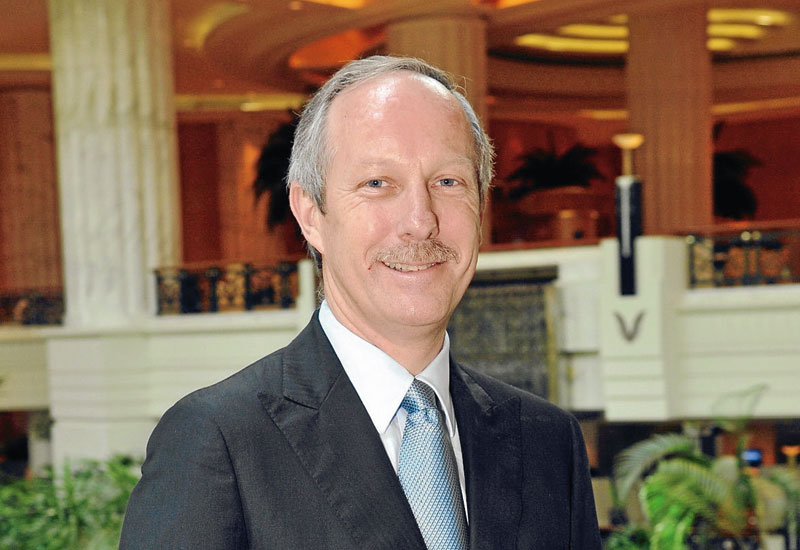
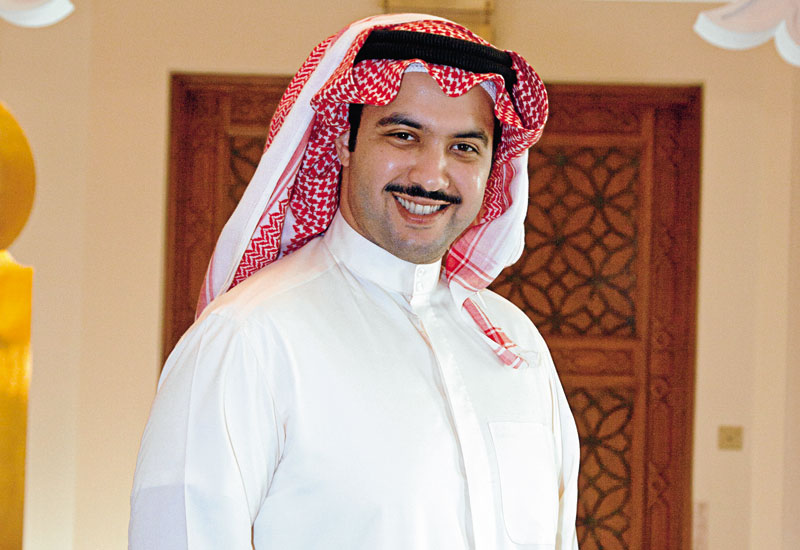
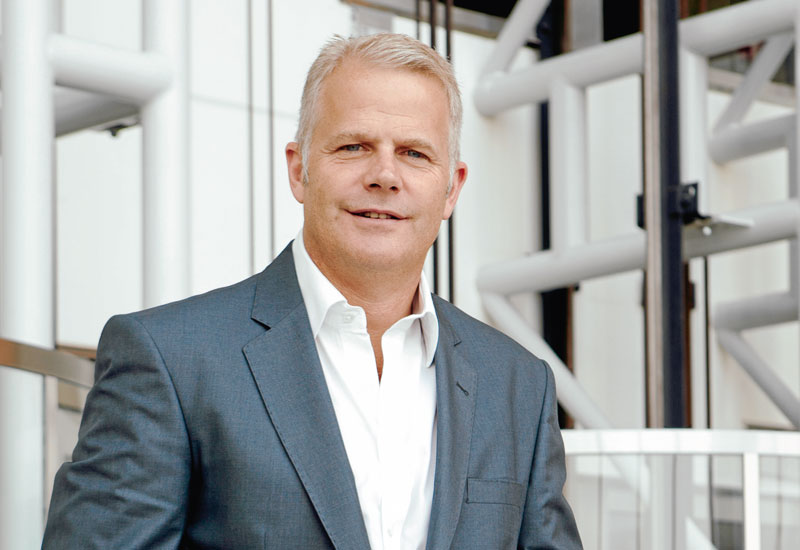
SARMAD N. ZOK
CHIEF EXECUTIVE OFFICER,KINGDOM HOTEL INVESTMENTS
Warning: Undefined variable $term_obj_list in /var/www2/dev.hoteliermiddleeast.com/wp-content/themes/newspack-hme/template-parts/header/entry-header.php on line 69
Warning: Trying to access array offset on value of type null in /var/www2/dev.hoteliermiddleeast.com/wp-content/themes/newspack-hme/template-parts/header/entry-header.php on line 69
Warning: Attempt to read property "name" on null in /var/www2/dev.hoteliermiddleeast.com/wp-content/themes/newspack-hme/template-parts/header/entry-header.php on line 69

Sarmad N. Zok, who has been Kingdom Hotels Investments’ (KHI) chief executive officer since 2001 and led the company’s Initial Public Offering in 2006, was promoted to the full board of Kingdom Holding Company (KHC) in June 2010.
Also in June last year, Prince Alwaleed Bin Talal Bin Abdul Aziz Al Saud privatised Kingdom Hotel Investments and combined his entire hospitality platform under one umbrella, expanding the company’s reach to include real estate business in developed markets alongside its assets in the high-growth emerging markets.
Zok manages the company’s significant, if not controlling stakes, in three major international brands — Four Seasons (47.5% stake), Fairmont Raffles Hotels International (35% stake) and Mövenpick Hotels and Resorts (33.5%) — which extends KHI’s, and Zok’s, influence across the hotel industry worldwide.
In addition, over the past year, Zok has completed four developments within Kingdom Hotel Investments’ high growth business worth in excess of US $600 million, including Raffles Praslin Seychelles and Four Seasons Marrakech which opened in July 2011.
Across the board, a significant amount of capital has been invested in the portfolio itself on value enhancement initiatives, expansion, and restaurants renovations. When it comes to future growth, in light of political uncertainties in the Middle East and the global financial outlook, KHI’s capital allocation strategy is expected to be more opportunistic than in the past.