

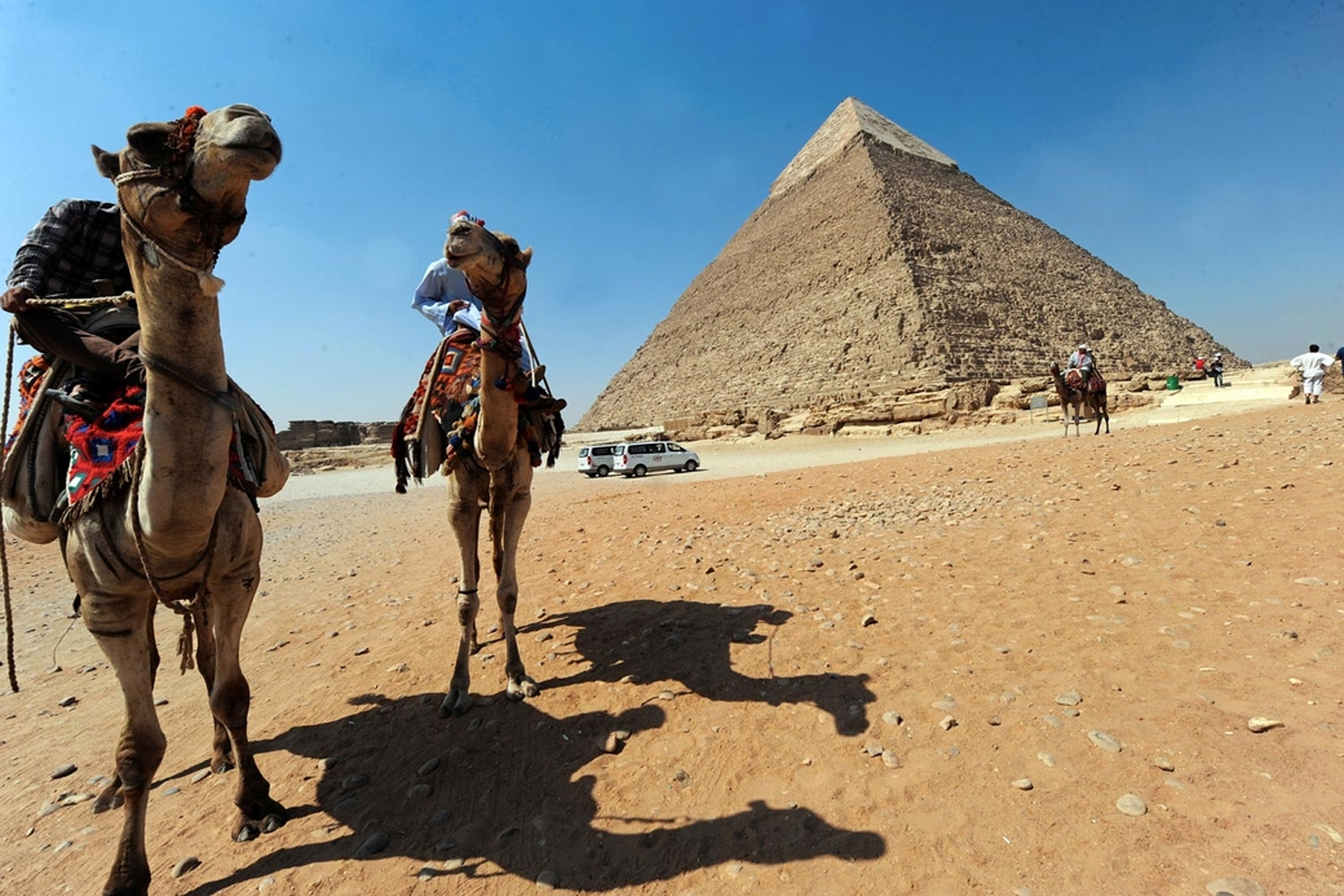
The tourism sector across key MENA states isn’t expected to bounce back to pre-pandemic levels until 2023, with Tunisia, Jordan, Lebanon, Morocco and Egypt provided as examples.
That is according to Washington-based Institute of International Finance (IIF), which fears slow vaccine roll-outs across the wider region will undo recovery efforts.
“Egypt, Jordan, Tunisia, and Lebanon could face repeated outbreaks before vaccines become widely available, limiting the chance of herd immunity before end- 2022,” said IIF chief economist for MENA and CCA Garbis Iradian.
In mid-February, the World Health Organisation reported that just one percent of the population of the Middle East had been vaccinated, with much higher inoculation rates in richer nations.

“We expect the five tourism-dependent Mena economies to suffer much longer than the six GCC countries from the negative impacts of the pandemic,” said Iradian.
“The recovery will be gradual and limited in scope, and tourism in the Mena region is not expected to return to pre-pandemic levels until 2023. Tourists from the EU, UK, Russia, and the USA may be enticed by other countries in the Mediterranean region, with low-cost brands (Turkey), or to continue to focus more on domestic trips or nature in countries where they reside,” he said.
Hotel and tourism leaders across the board are pinning recovery hopes on the global distribution of vaccines. At the moment, the UAE is a world-leader in the effort, giving out more than 10 million doses already.
IIF members can access the full report here.