

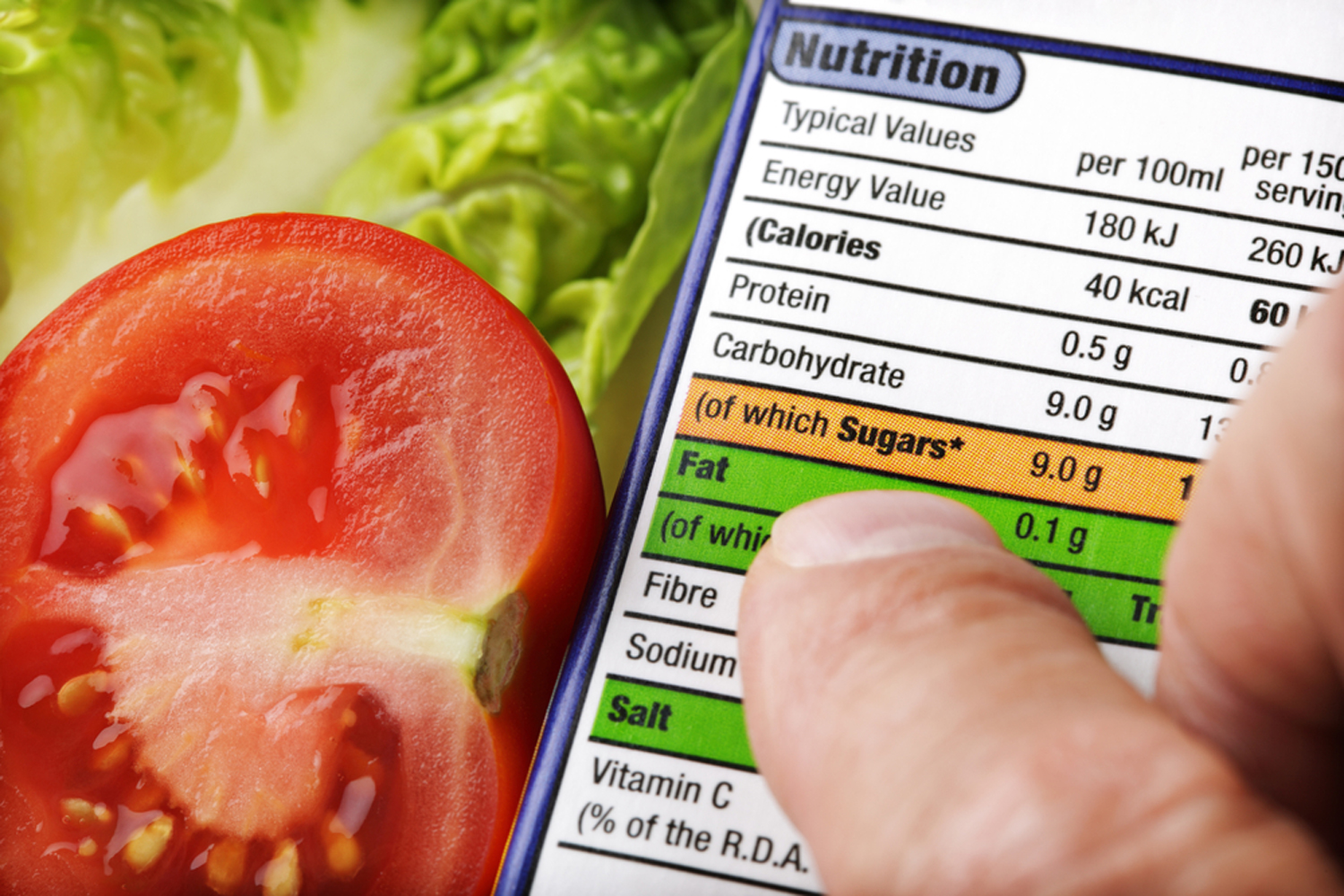
UAE authorities have unveiled the proposed food labelling system in the country to help shoppers make healthier food choices.
Popularised in Europe as the traffic light system, specific contents such as salt, sugar, and fats are labelled as green, amber or red depending on quantities.
Posted on Instagram by the Abu Dhabi Public Health Center (ADPHC), its post explained: “The traffic light food labelling system and the percentages system on the food label provide quick information on the adult’s daily intake of each food item, helping to develop a healthy and balanced diet.”
The UAE Cabinet in 2019 approved its Nutrition Labelling policy which aims to improve awareness around healthy living. The implementation of the policy will be voluntary in its initial phase until it becomes compulsory in January 2022, explained Arabian Business at the time.
Studies at the time the policy was unveiled warned that 68 percent of the UAE population were overweight, with 28 percent being obese.
The policy was developed by the National Programme for Happiness and Wellbeing in cooperation with the Food Security Office, and will be implemented by the Emirates Authority for Standardisation and Metrology (ESMA).
Details on the three statuses is below. According to state news agency WAM, the labelling does not extend to fresh foods such as vegetables, fruits and meat.
Green
If the food label is mostly green, this means that it is low in salt, sugars and fats and is considered a healthy option.
Amber
Amber meanwhile is food that should be eaten in moderation due to its higher levels of salt, sugars and fats.
Red
Red is for food that is high in all the above-mentioned nutrients. According to authorities, people should limit their consumption of these items.